Skip to content
You can now search across every topic, entity and event.What's new
Iran Conflict 2026
31MAR

Radio warnings close a second strait

3 min read
08:23UTC

Yahya Sarea declared Bab al-Mandab shut to Saudi shipping on Monday. Six vessels, among them the Chinese supertanker Xin Long Yang, had turned round inside 48 hours without a shot fired.

ConflictDeveloping
Key takeaway

A radio broadcast closed Bab al-Mandab to Saudi shipping inside 48 hours, with no shot fired.

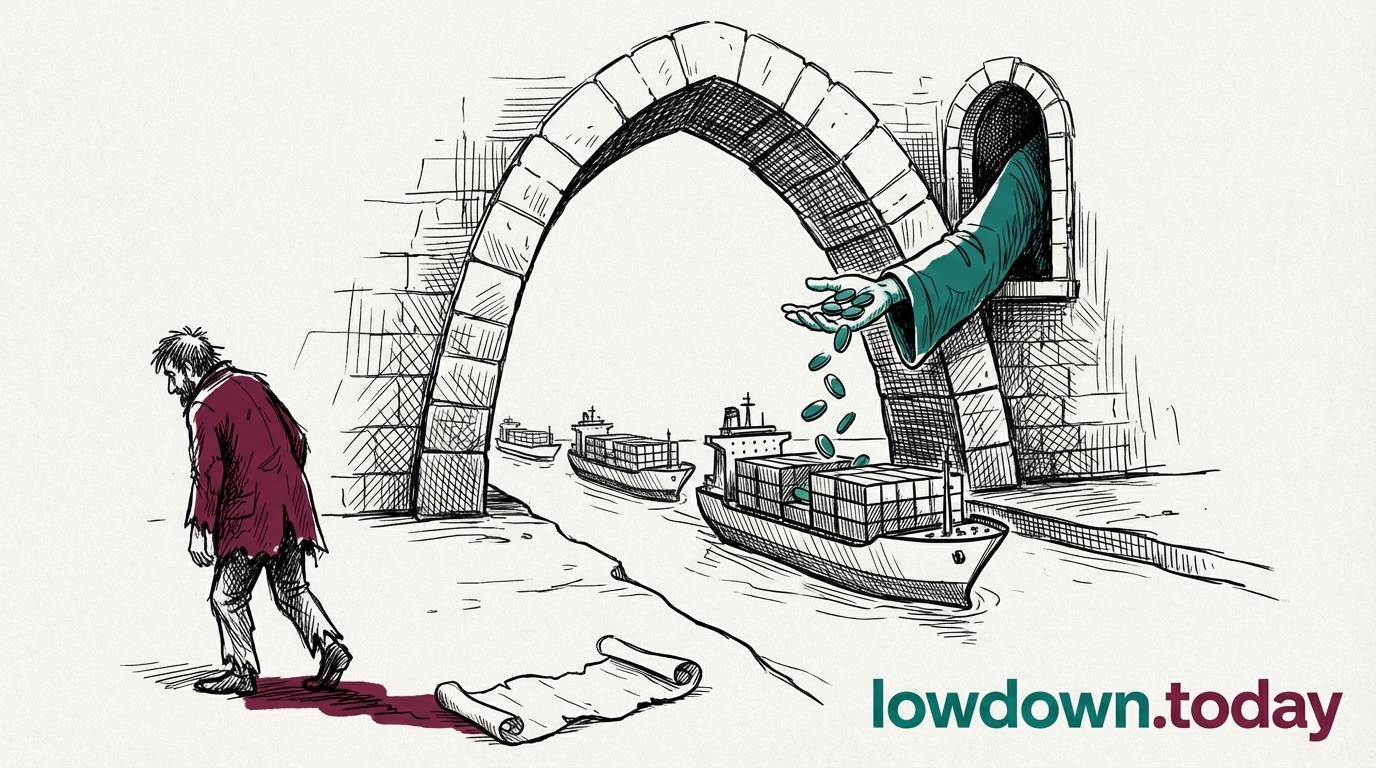
Yahya Sarea, military spokesman for Yemen's Houthis, announced a full maritime embargo on Saudi Arabia on Monday 20 July, effective immediately 1. Houthi forces began hailing vessels on open maritime frequencies near Yemen the same day, telling them the Bab al-Mandab was closed to Saudi traffic 2.

Bab al-Mandab is the strait between Yemen and Djibouti where the Red Sea meets the Gulf of Aden, and roughly a quarter of global container traffic passes through it. Six vessels had reversed course by Tuesday 21 July, according to Lloyd's List ship-tracking data. Among them was the Chinese Very Large Crude Carrier Xin Long Yang, which turned in the Red Sea rather than continue towards a Saudi port 3.

Houthi forces fired nothing, boarded nothing and stopped nothing. Rear Admiral Vasileios Gryparis commands Operation Aspides, the European Union's naval protection mission in the Red Sea. He said the Houthis "remain a threat to navigation despite not having attacked any merchant vessels since September 2025" 4. Holding the Strait of Hormuz shut has cost a great deal more: a naval blockade, Marine boarding parties putting armed personnel on foreign decks , and eleven consecutive nights of bombing.

Sarea framed the embargo as retaliation for Saudi Arabia's blockade of Yemeni ports and a Saudi strike on Sanaa airport. The Houthis say that strike was aimed at an Iranian aircraft carrying their leadership home from Ali Khamenei's funeral 5. Saudi Arabia's foreign ministry called the declaration false and a distraction from the group's "economic mismanagement and public discontent", and said The Kingdom would take "all necessary measures" to protect its ships 6.

Whether the six turnbacks answer the radio calls, the owners' own risk desks or both cannot be separated out from tracking data alone. No war-risk premium specific to Saudi-bound traffic has yet been established either. What can be said is that the traffic changed course within two days of a broadcast, and that nobody had to sail a warship to make it happen.

Deep Analysis

In plain English

The Houthis are an armed group that controls large parts of Yemen. On Monday they announced they would stop Saudi-bound ships from passing through the Bab al-Mandab strait, a narrow sea gap near Yemen that a huge share of world shipping uses to reach the Suez Canal. They have not fired on or boarded any ship. Instead, Houthi forces have been radioing vessels over open radio channels and warning them to turn back. Six ships did, including the Chinese supertanker Xin Long Yang. No vessel has been attacked, boarded or stopped. Shipping companies are cautious because insurance for sailing through this region has already become far more expensive during the wider war, so a warning alone is often enough to make a captain choose the longer, safer route.

Deep Analysis
Root Causes

Rerouting on a radio warning only works because the insurance market had already primed shipowners to treat any new threat as decisive. War-risk premiums for the region were running at 3-10% of hull value before this declaration, against roughly 0.25% before the war, according to Lloyd's List reporting; the Lloyd's Market Association has said capacity technically remains available and it is price and crew willingness, not a shortage of cover, that is doing the suppressing.

That pre-existing cost structure means a six-figure premium swing, not a missile, is enough to turn a tanker around; the Houthis are exploiting a market that was already primed to divert rather than demonstrating new military reach.

What could happen next?
  • Risk

    If the Houthis follow the 2023 Galaxy Leader precedent and escalate from radio warnings to an actual boarding or strike, war-risk premiums for the wider Red Sea corridor would likely reprice sharply, compounding the existing Hormuz premium.

  • Precedent

    A second chokepoint closed by declaration rather than force lowers the bar for further non-kinetic threats against shipping elsewhere in the region.

First Reported In

Update #159 · A second strait closes by radio alone

The War Zone· 22 Jul 2026
Read original
Different Perspectives
Oil traders
Oil traders
Sent Brent down 2.29 per cent to $98.38 a barrel on reports that mediation was reviving, moving the price on CENTCOM's quiet night rather than on Trump's same-day promise of a bigger operation with no deadline attached.
Iran
Iran
An Iranian official called the same mediation account completely misleading, denying it received any US proposal via Baghdad on the same day Iraq denied delivering one, leaving neither denial able to settle what actually passed between the two capitals.
Iraq
Iraq
Called groundless the New York Times account that its prime minister carried a US ceasefire proposal to Tehran, a denial that also protects Baghdad's effort to avoid becoming a party to a war fought by aircraft it does not control.
OHCHR
OHCHR
Recorded 17 civilian seafarer deaths since the war began, a population neither the Pentagon nor Iran's Health Ministry counts in its own tally, and called for urgent action on 6,000 crew stranded across roughly 400 vessels in the Strait of Hormuz.
Houthis
Houthis
Enforced the blockade on Saudi-linked shipping it declared on 20 July by hitting the NCC Masa and then an Aramco facility at Jazan, moving from radio warnings to strikes on land after four days without a confirmed hit.
Saudi Arabia
Saudi Arabia
Struck Houthi military sites near Hodeidah the same day the NCC Masa was hit, while its coalition spokesman insisted Hodeidah, Ras Issa and Salif all remain open to navigation. The distinction protects the ports Yemen's population depends on for food and fuel even while punishing the group behind the tanker strike.