Skip to content
You can now search across every topic, entity and event.What's new
Iran Conflict 2026
28MAR

Houthis fire second barrage at Israel

2 min read
17:06UTC

The second Houthi missile and drone attack on Israel in a single day confirms staged escalation, with Bab al-Mandeb closure declared openly as the next step.

ConflictDeveloping
Key takeaway

A second Houthi barrage in 24 hours confirms Iran's proxy network is activating in sequence.

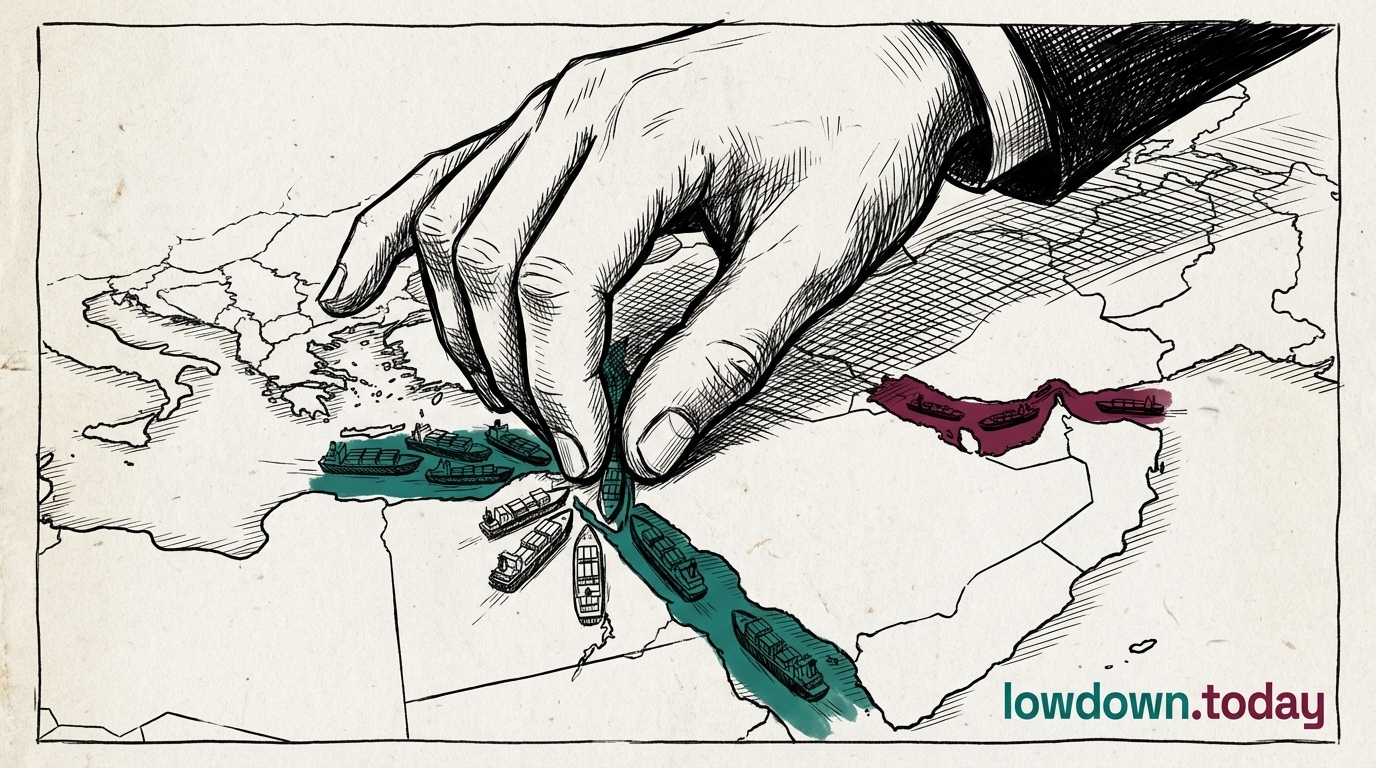
The Houthis (Ansar Allah) fired their second missile and drone barrage at Israel on 29 March, following their first attack the previous day . Israeli military claimed interceptions; targets included what the Houthis described as "sensitive military sites" in southern Israel 1. Deputy information minister Mohammed Mansour has explicitly threatened Bab al-Mandeb closure as part of a staged escalation programme.

Tehran coordinated the timing. Houthi entry came the day after Pakistan confirmed US-Iran indirect talks had stalled and the day Iran published its five conditions . Two attacks in 24 hours is a demonstration of sustainable tempo, not a one-off provocation. The Long War Journal reports that Houthi leaders have conditioned further escalation on whether other nations join anti-Iran operations or use the Red Sea for strikes against Iran's allies.

The strategic problem is compounding. Hezbollah fired 600 projectiles at Israel on 28 March . The Houthis are now adding a second axis. Iran's proxy network is activating in sequence, each front requiring separate defensive resources from a coalition already stretched by the primary conflict.

Deep Analysis

In plain English

Yemen's Houthi movement, which controls most of northern Yemen including the Red Sea coast, is an Iranian-aligned armed group. On 28 March it fired its first missiles at Israel. Within 24 hours it fired a second wave. This matters because the Houthis also control the Bab al-Mandeb strait, the other end of the Red Sea from Hormuz. They have now explicitly threatened to close it. The situation in brief: Iran controls one end of the Gulf-to-Red Sea shipping corridor through Hormuz. Its Houthi allies may be about to close the other end at Bab al-Mandeb.

Deep Analysis
Root Causes

The Houthi activation followed Pakistan's confirmation that indirect US-Iran talks had stalled. Tehran appears to have calibrated proxy activation against the diplomacy clock: when talks collapsed, the proxy network activated. This suggests a deliberate coercive strategy rather than autonomous Houthi decision-making.

The Houthis have their own motivations that partially overlap with Tehran's. Bab al-Mandeb closure would be the single largest expression of Houthi strategic power and a recruiting and fundraising windfall domestically in Yemen.

First Reported In

Update #51 · Iran hits aluminium plants; Hormuz emptying

International Maritime Organisation / UKMTO· 29 Mar 2026
Read original
Different Perspectives
Oil market and P&I insurers
Brent cleared $87 intraday only once CENTCOM's blockade became physical rather than declared, even though P&I Clubs had already excluded Hormuz war risk a week earlier on 7 July: capital hedged ahead of enforcement, but prices moved only after it.
UAE reporting
UAE reporting
UAE reporting placed the Omani tanker deaths at one seafarer against the International Maritime Agency's count of two, the first time in this war that a Gulf state's casualty figures have diverged from an international monitor's.
Jordan
Jordan
Iranian strikes reached Jordan again on 14 July as part of the Gulf-wide retaliation for the Hormuz blockade, extending the conflict's geographic footprint to a state with no direct stake in the strait itself.
Bahrain
Bahrain
Bahrain sounded air-raid sirens on 14 July during Iran's Gulf-wide retaliation, the same day CENTCOM's blockade order and fourth night of strikes pushed the conflict's physical reach into the wider Gulf littoral.
Kuwait
Kuwait
Kuwait intercepted Iranian missiles and drones on 14 July as Tehran's blockade retaliation reached Gulf states beyond Iran's immediate shoreline, confirming Kuwaiti airspace now sits inside Iran's retaliatory envelope.
Oman
Oman
Oman absorbed the war's first tanker casualties in its own waters on 14 July, with two supertankers disabled and seafarers killed, putting the sultanate's shipping lanes directly in the path of the blockade fight for the first time.