China's Foreign Ministry announced that Special Envoy for Middle East Affairs Zhai Jun will travel to the region to work for de-escalation. Foreign Minister Wang Yi has conducted calls with counterparts in Russia, Iran, Oman, France, Israel, Saudi Arabia, and the UAE — a diplomatic blitz covering every principal party to the conflict.
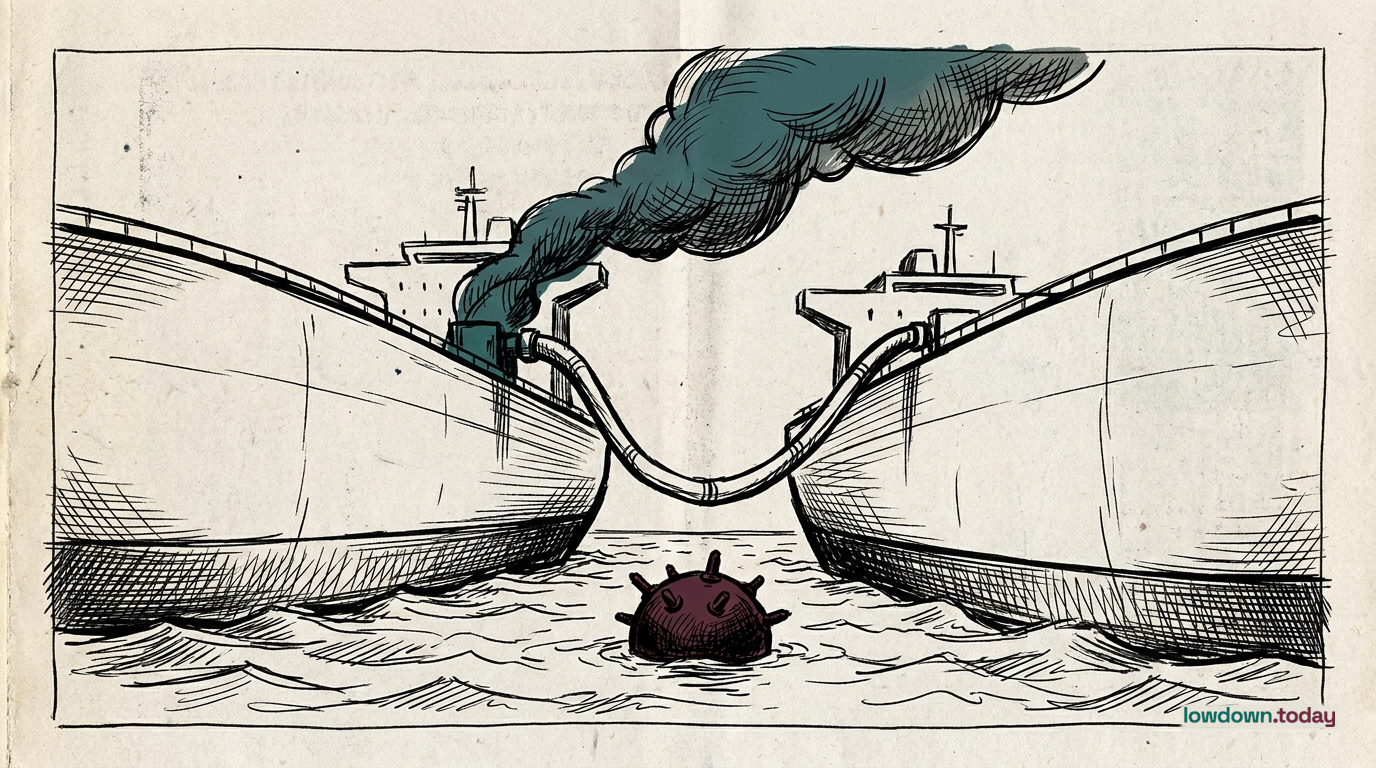
Beijing had already moved beyond general statements earlier in the week when it entered direct negotiations with Tehran, pressing Iran specifically not to attack oil tankers, gas carriers, or Qatari LNG export facilities. The formal envoy dispatch escalates that engagement from backchannel pressure to visible crisis diplomacy. The economic driver is direct: Qatar supplies approximately 30% of China's imported LNG. Dutch TTF gas contracts have nearly doubled since the conflict began, the strait of Hormuz has seen vessel traffic fall 80% below normal, and the P&I insurance withdrawal has halted new commercial transits entirely. China is not mediating from diplomatic ambition; it is protecting a supply line under active fire.
The timing tests Beijing's leverage. Zhai Jun's appointment came after Iran launched its heaviest single barrage at Qatar — 14 ballistic missiles and 4 drones — despite China's explicit request that Tehran spare Qatari energy infrastructure. Iran chose military escalation against the very target Beijing had asked it to leave alone. China now faces the question every mediator confronts when one party disregards its requests: whether to absorb the slight and continue, or to attach consequences. Beijing's 2023 brokered normalisation between Saudi Arabia and Iran — its highest-profile Middle East diplomatic achievement — is functionally suspended by a conflict in which both parties have moved beyond the framework that agreement created. Wang Yi's call sheet, spanning seven capitals, suggests Beijing recognises that bilateral pressure on Tehran alone has not worked. Whether multilateral engagement produces a different result depends on whether China is prepared to offer Tehran something beyond requests — or to withhold something Tehran values if the requests continue to be ignored.


