Skip to content
Welcome, thoughtbot's Giant Robots listeners!Start here
Iran Conflict 2026
7AUG

Houthi blockade cuts Saudi loadings 36%

2 min read
12:08UTC

Saudi crude loadings through Bab el-Mandeb fell 36% before the Houthis struck the tankers Encelia and Layla on 23 July, turning a blockade threat into realised losses.

ConflictDeveloping
Key takeaway

Rerouting round the Cape keeps Saudi barrels flowing but ties up ships and lifts freight.

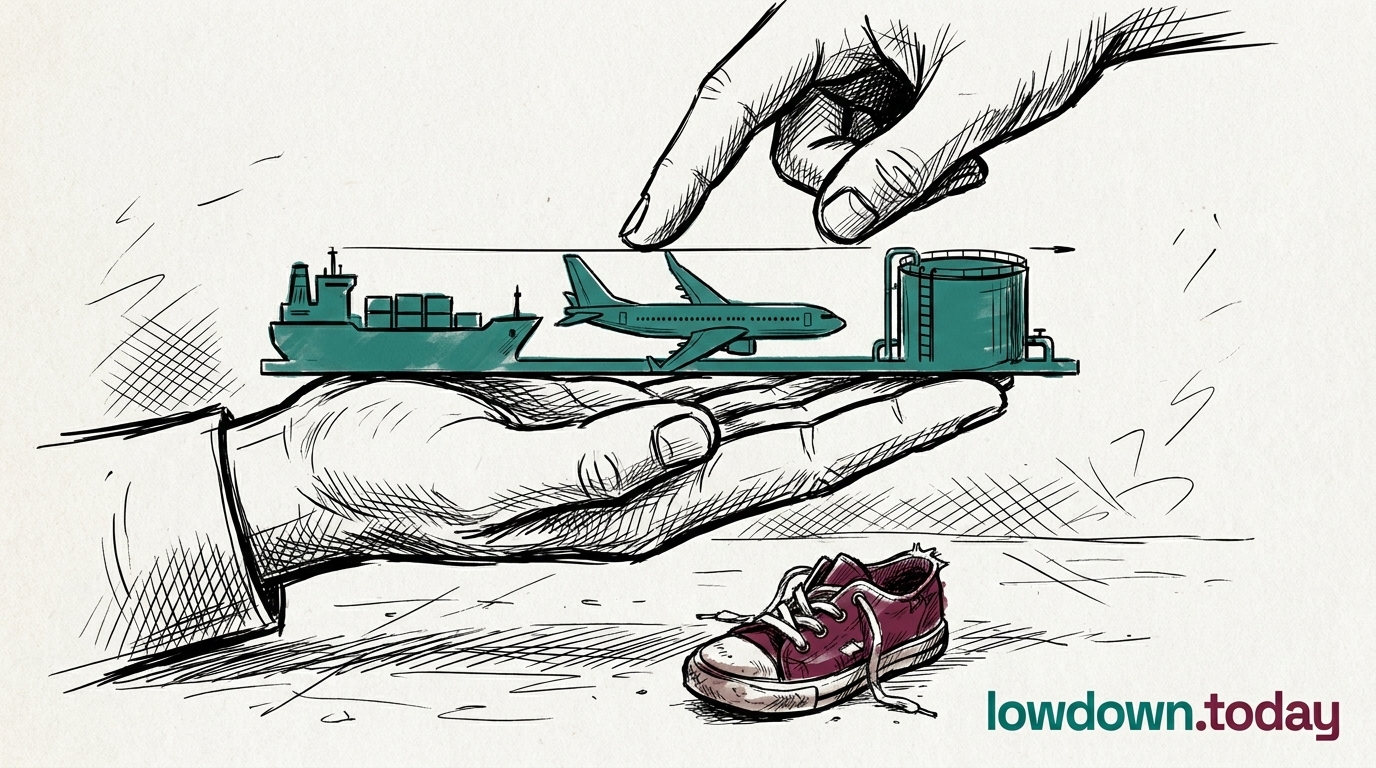
Saudi crude loadings through Bab el-Mandeb, the strait between Yemen and the Horn of Africa that funnels Suez-bound shipping, fell 36% in two weeks, from 9.5 million barrels a day at the 29 June peak to 6.1 million in the week of 13 July, before a shot was fired⁠1. The Houthis, the Yemeni armed movement that controls the country's Red Sea coast, declared a naval blockade of Saudi-linked shipping through the strait on 20 July. On 23 July they struck two Saudi tankers, the Encelia and the Layla, with missiles and drones in the Red Sea; both caught fire, the Encelia broadcast 'not under command', and no crew casualties were reported⁠2.

More than 2,000 ships have already rerouted around the Cape of Good Hope, adding up to three weeks to a Europe-bound voyage, and Saudi exporters have pushed over 70% of their barrels to the west-coast terminal at Yanbu to skip the strait entirely. The military dimension belongs to the Gulf war that took Brent past $90 on Iran's strike against Kuwait. Every barrel that rounds the Cape instead of transiting Suez ties up a ship for longer, and a fleet that turns slower charges more.

Analysts cited by Bloomberg warn that a full Bab el-Mandeb closure stacked on the Hormuz constraint could put roughly a quarter of world oil and gas at risk⁠3. That figure describes a ceiling rather than a base case: the strait is being avoided, not sealed, and rerouting round the Cape keeps the barrels flowing at a higher freight cost rather than removing them from the market.

Deep Analysis

In plain English

The Houthis are an armed group that controls much of Yemen and has fought a civil war there since 2014. In 2023 they began attacking ships in the Red Sea they linked to Israel; they have now declared a blockade specifically targeting vessels connected to Saudi Arabia. Bab el-Mandeb is a narrow strait between Yemen and the Horn of Africa that ships must pass through to reach the Suez Canal from the Red Sea. Two Saudi tankers, the Encelia and the Layla, were hit by missiles and drones there, and Saudi crude loadings through the strait fell more than a third in two weeks as shippers diverted cargo. That matters because Saudi Arabia can reroute some crude to its Red Sea port at Yanbu, but the slower, longer voyage round the Cape of Good Hope adds cost and time that ultimately reaches fuel buyers in Europe and Asia.

Deep Analysis
Root Causes

Houthi anti-ship missile and drone capability traces to transfers routed through Yemen's Hodeidah corridor, a supply chain UN Panel of Experts reporting has documented since 2015. That dependency gives external suppliers indirect leverage over Red Sea shipping without direct naval engagement of their own.

Saudi Arabia's Bab el-Mandeb exposure is structural: crude loaded at Red Sea terminals for European and North African buyers has no chokepoint-free alternative besides the slower, costlier Yanbu-to-Cape route, which is now absorbing the diverted cargoes, part of the same Gulf war Iran's Kuwait strike opened.

What could happen next?
  • Risk

    A sustained Bab el-Mandeb blockade would compound Suez-dependent Mediterranean freight costs already rising on aframax pricing, layering a second Red Sea risk premium onto European-bound cargoes.

First Reported In

Update #19 · Second chokepoint doubles Med freight

The National· 23 Jul 2026
Read original →
Different Perspectives
Office for Budget Responsibility
The OBR's 28 October forecast assumed $82 oil for 2026 and 2027, from market prices for the ten working days to 19 August, and blamed dearer wholesale energy on the war without naming Iran. It expects CPI inflation close to 4% in early 2027 even at that price.
Hengaw, Kurdish rights group
Hengaw reported the 3 November hangings of Amirhossein Maleki and Amirhossein Ebrahimi in Isfahan, saying Ebrahimi was tortured into confessing and that nine of 12 people sentenced to death in the case have now been hanged. Iran's judiciary holds that the defendants killed members of the security forces.
FINTRAC, Canada's financial intelligence unit
FINTRAC worked with the US Treasury on the 6 November designation of eight money services businesses in British Columbia, Ontario and Quebec. Treasury says the businesses still operate, some under new names, so closing them falls to Ottawa.
Abdul Qadir al-Dakhil, Governor of Nineveh
Al-Dakhil cancelled three Mosul International Airport contracts on 7 November over alleged links to armed groups, after meeting Prime Minister Ali al-Zaidi in Baghdad. He named no group or company, and said the contracts will go to international companies.
Kuwait
Kuwait
Kuwait condemned the Houthi missile fired towards the Madinah region on 5 November and restated its support for Saudi Arabia, the Qatar News Agency reported. Its state tanker company, Kuwait Oil Tankers Company, is among the Gulf state fleets on Iran's expanded Hormuz list.
Scott Bessent, US Treasury Secretary
Treasury designated an alleged Chandigarh false-flag network on 4 November and eight Canadian exchangers on 6 November, while State sanctioned alleged MANPADS intermediaries. None of the actions touches an oil buyer; they target the paper, cash and procurement around Iran's trade.

Written with AI from Lowdown's published reporting. Not individually reviewed by an editor. Editorial standards.
