Skip to content
You can now search across every topic, entity and event.What's new
Iran Conflict 2026
7JUL

Japan reopens Iran oil talks after 2019

4 min read
09:35UTC

Iran has opened crude talks with three Japanese firms under a US waiver that expires on 21 August, but frozen marine insurance means not a single barrel has moved.

ConflictDeveloping
Key takeaway

A US permission slip has reopened Iranian oil for Japan, but frozen insurance may keep every ship in port.

Iran has opened talks with three Japanese firms on resuming crude imports for the first time since 2019, two Iranian and Western sources told Reuters 1. The purchases would run under the temporary United States sanctions waiver that took effect on 22 June and expires on 21 August, the one live document tied to the 60-day peace deal. Japanese buyers have asked Washington for a longer waiver before committing, because a tanker sailing from Iran to Japan spends much of the 60-day window at sea.

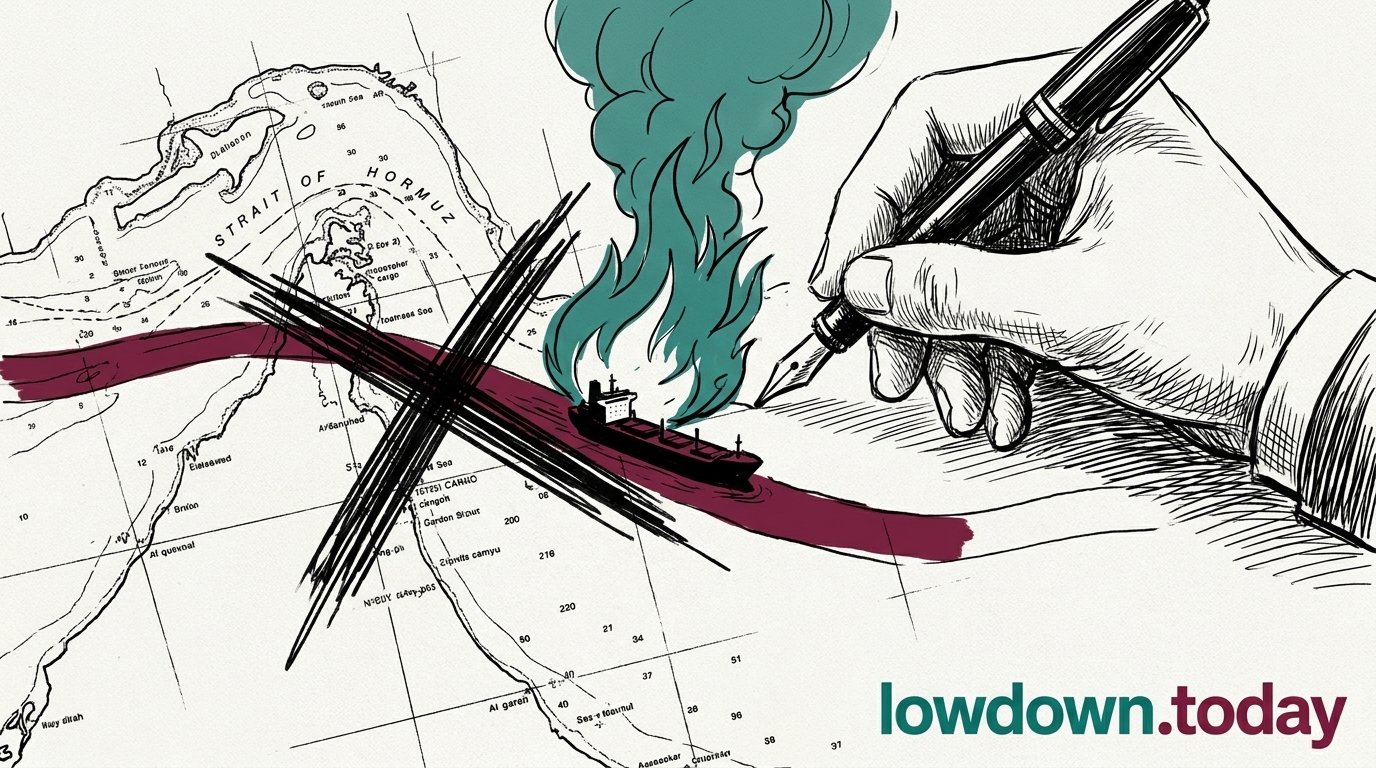
A senior Japanese refiner told Reuters that insurance, not politics, is the single biggest obstacle 2. Every cargo needs protection-and-indemnity (P&I) cover, the marine liability insurance that pays out when a tanker spills, collides or is seized, and that cover has been frozen or priced at war rates since this conflict's first week. Washington has licensed the trade through 21 August, yet none of the three firms will load a barrel until that cover clears. A licence removes the legal bar; it does not compel a London or Asian underwriter to write the policy, and the underwriters have not returned at commercial rates.

That gap is the whole story. Iranian crude has been sailing freely for weeks, an estimated $3.5 billion of it since mid-June , yet Trump demanded cheaper petrol and signed nothing new on Iran , and Treasury reached for pre-war authority to keep its existing sanctions moving , the very framework Japan is now testing. Japanese buyers are asking for a longer window before they load, which means they are pricing in the risk that a cargo booked today arrives after the legal cover has lapsed, a timing mismatch the transit distance makes acute.

If the insurance market stays shut, the waiver produces headlines and no cargoes, exposing a form of sanctions relief that cannot function without underwriting capacity. If a Japanese refiner does commit, it widens Iran's buyer base beyond China and sets a precedent other Asian importers will watch closely.

Deep Analysis

In plain English

Iran wants to sell oil again, and Japan is willing to talk about buying it, but talking is not the same as a tanker actually leaving port. Before any oil ship can sail, it needs insurance that covers the owner if something goes wrong, like a collision or a spill. That insurance is called P&I cover (short for protection-and-indemnity). The companies that provide almost all of this cover in the world are grouped into something called the International Group of P&I Clubs, and they have refused to insure ships going through the Strait of Hormuz, the narrow waterway Iran partly controls, since Iran's naval force started stopping and searching vessels there. The US gave Iran and its buyers a 60-day window (22 June to 21 August) where trading is technically allowed, but that window is useless if no insurer will take the risk. So the real story is not whether Japan wants to buy oil. It is whether an insurance company somewhere will agree to cover the ship carrying it.

Deep Analysis
Root Causes

The structural bottleneck is that P&I cover is mutual, not bilateral: each of the 13 clubs in the International Group pools claims across its whole membership, so covering one Hormuz-transiting tanker exposes every other member insured against a shared reinsurance layer. A club cannot quietly cover one Japanese cargo without either declaring the whole Gulf open or breaking its own pooling agreement.

Japan's specific constraint is regulatory: its Financial Services Agency requires domestic insurers to match, not merely supplement, the International Group's exclusions, so a Japanese trading house cannot self-insure around the gap the way a Chinese state refiner can.

What could happen next?
  • Meaning

    A Japanese cargo actually loading would be the first G7-flagged test of whether mainstream P&I cover, not just a US licence, is willing to return to Hormuz risk.

  • Risk

    If no International Group club writes cover inside the 60-day window, the waiver expires unused and Japan defaults back to non-Iranian supply, signalling to other G7 buyers that the waiver is symbolic rather than commercially usable.

First Reported In

Update #147 · Japan opens Iran oil talks under US waiver

Reuters· 6 Jul 2026
Read original
Different Perspectives
Oil market and P&I insurers
Brent cleared $87 intraday only once CENTCOM's blockade became physical rather than declared, even though P&I Clubs had already excluded Hormuz war risk a week earlier on 7 July: capital hedged ahead of enforcement, but prices moved only after it.
UAE reporting
UAE reporting
UAE reporting placed the Omani tanker deaths at one seafarer against the International Maritime Agency's count of two, the first time in this war that a Gulf state's casualty figures have diverged from an international monitor's.
Jordan
Jordan
Iranian strikes reached Jordan again on 14 July as part of the Gulf-wide retaliation for the Hormuz blockade, extending the conflict's geographic footprint to a state with no direct stake in the strait itself.
Bahrain
Bahrain
Bahrain sounded air-raid sirens on 14 July during Iran's Gulf-wide retaliation, the same day CENTCOM's blockade order and fourth night of strikes pushed the conflict's physical reach into the wider Gulf littoral.
Kuwait
Kuwait
Kuwait intercepted Iranian missiles and drones on 14 July as Tehran's blockade retaliation reached Gulf states beyond Iran's immediate shoreline, confirming Kuwaiti airspace now sits inside Iran's retaliatory envelope.
Oman
Oman
Oman absorbed the war's first tanker casualties in its own waters on 14 July, with two supertankers disabled and seafarers killed, putting the sultanate's shipping lanes directly in the path of the blockade fight for the first time.