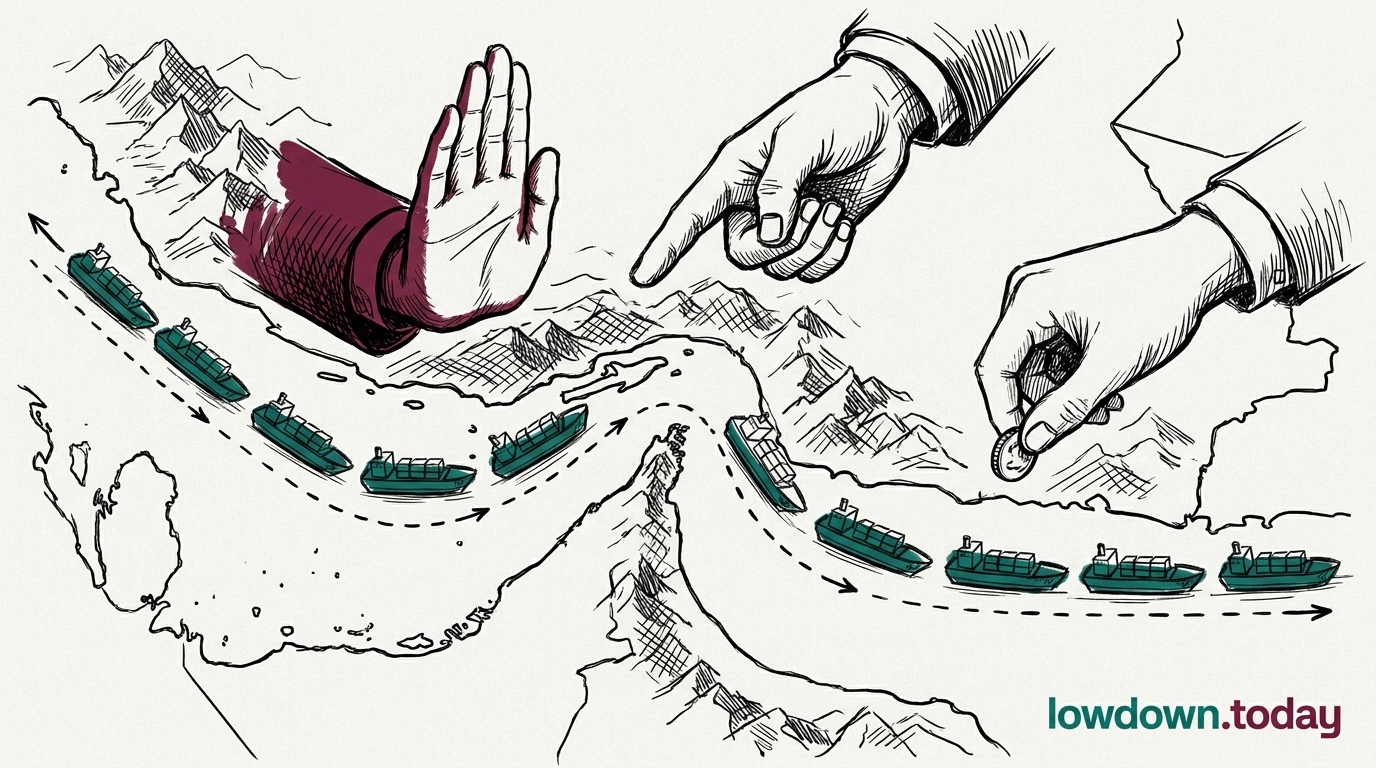
USS Truxtun (DDG-103) and USS Mason (DDG-87) made the first successful armed escort transit of the Strait of Hormuz under sustained IRGC (Islamic Revolutionary Guard Corps) fire on Monday 4 May, the opening day of Project Freedom. CENTCOM (US Central Command) said its destroyers defeated 'each and every threat' from small boats, cruise missiles and drones; attack helicopters and naval gunfire accounted for the losses, with CBS News reporting seven Iranian craft sunk and Al Jazeera six1. Two American-flagged merchant vessels followed the destroyers through. No US casualties; both ships unscathed.
The attacks came from the Bandar Abbas flotilla, with cruise missiles from IRGC Navy coastal batteries and drones launched from southern provinces2. Iran claimed it had hit a US naval vessel, a claim CENTCOM denied3. The boat-loss count matters because the IRGC told the Majlis (Iran's parliament) on Saturday 2 May that 60 per cent of its small attack-boat fleet had survived the opening Israeli airstrikes. On Tehran's own arithmetic, six or seven losses is a tolerable rate of attrition: the doctrine that treats the strait as home water remained intact through the contact.
The Truxtun and Mason transit ran through a corridor Iran's elected legislature now treats as territorial. The Majlis National Security Commission ratified a 12-article Hormuz sovereignty law on 2 May, built on Mojtaba Khamenei's written claim of 'new management' over the waterway. CENTCOM's written order, like the version issued before Project Freedom, covers Iranian-port traffic only and does not incorporate Trump's Truth Social toll-interdiction provision. The American flag passed through the channel; the Iranian institutional claim over it did not move.





