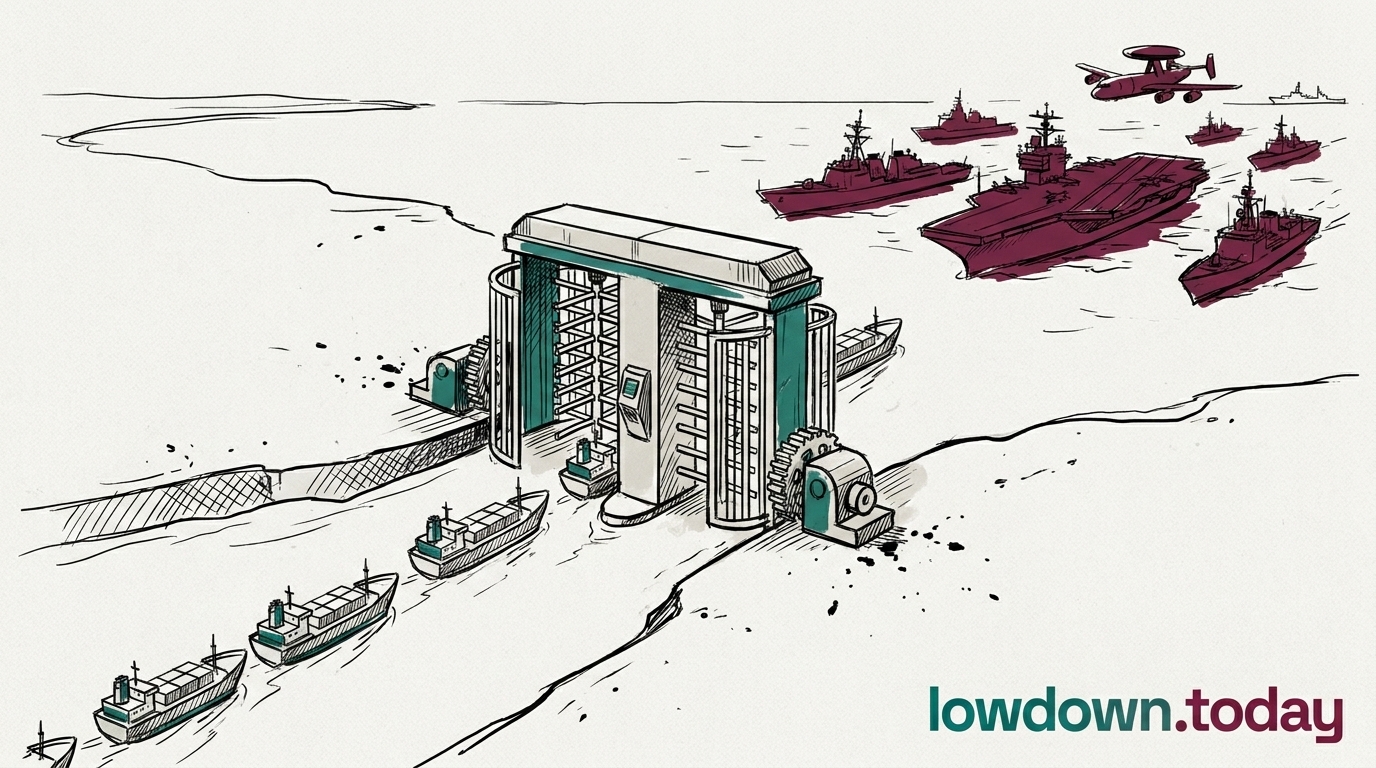
General License X expires on 21 August 2026, four days after the Persian Gulf Strait Authority (PGSA) begins charging Hormuz transit fees around 17 August. The PGSA is the IRGC body that controls strait access. A third clock lands in the same week: Shetab-Mir, Iran's dollar-independent payment corridor built with Moscow, is set to finish its third integration stage around August. Three deadlines set by three different actors fall within four days of each other.
Read the sequence as a mechanism. The 60-day relief window is precisely the window in which Iran completes the infrastructure that makes the next round of sanctions survivable. If the nuclear sub-talks fail by mid-August, the licence expires, the oil sanctions GL X just lifted snap back automatically, the PGSA starts billing every transit as IRGC revenue, and Iran's payment rails are live just as the dollar squeeze returns.
Two of these clocks are not this desk's to read. The freight and fee economics of a fee-charged, dark-corridor Hormuz belong to the European oil desk. So does the parallel sanctions track: Shetab-Mir is an Iran-Russia build, and GL X's amendment of the Russia-related General License 134 ties this licence to Moscow's sanctions story, which the Russia-ukraine desk owns. Lowdown reads the convergence for what it does to the deal's credibility. the MOU's 60-day nuclear window was meant to be a deadline for Iran; tied to a payment-rails completion date, it becomes a deadline for Washington's leverage instead.


