Skip to content
Briefings are running a touch slower this week while we rebuild the foundations.See roadmap
Iran Conflict 2026
19MAY

Khamenei recovering, governing by audio conference

3 min read
17:44UTC

Reuters reporting relayed on 11 April puts Iran's Supreme Leader alive but recovering from facial disfigurement and leg injuries, governing by audio call from an undisclosed location.

ConflictDeveloping
Key takeaway

A Supreme Leader audio-only for nearly two months tilts Iran's decision-making towards the Guard Corps in the meantime.

Mojtaba Khamenei, Iran's Supreme Leader, is alive and recovering from facial disfigurement and leg injuries sustained during the opening phase of the war, and is governing by audio conference, according to Reuters reporting relayed by EAdaily 1. No authentic public footage has appeared since 28 February.

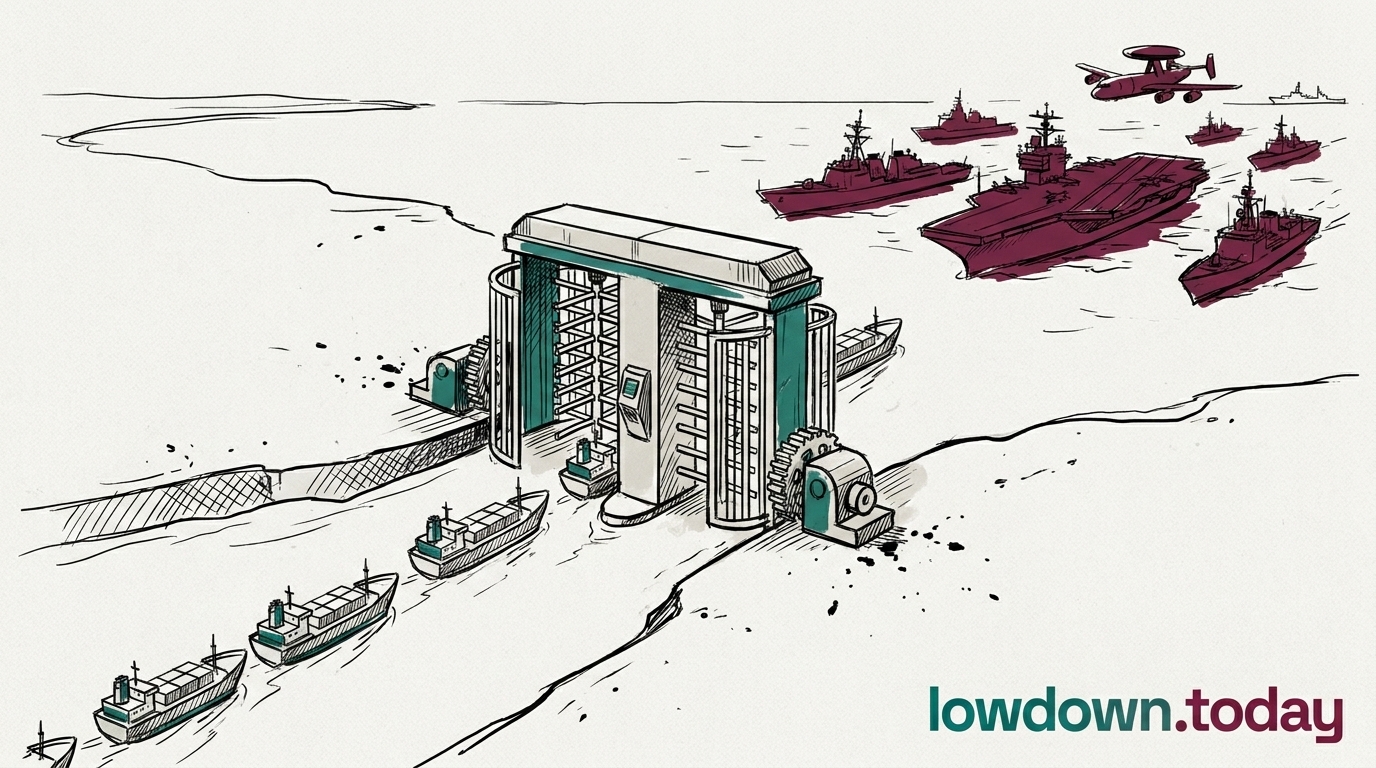
The operational question inside the Iranian system is how much a Supreme Leader's written statement weighs against a Revolutionary Guard commander's operational decision when the leader cannot appear in public. Khamenei's 14 April written position that nuclear weapons are non-negotiable carries the formal authority of the office; the IRGC's 17 April Tabnak transit order carries the enforcement capacity of the hulls doing the firing . A system in which the public-authority leader is audio-only and the enforcement authority is publishing its own doctrine is a system drifting towards the enforcer.

For Iran-watchers inside the US intelligence Community the absence of visual confirmation is a genuine analytic problem, because the distinction between a leader governing from recovery and a leader whose office is being run by staff around him is not one audio can settle. Rival centres of authority, including the IRGC leadership and the Expediency Discernment Council, benefit from ambiguity at the top. A counter-view from within the leader's office is that audio conferencing through serious injury is a demonstration of continuity rather than incapacity, and that public footage can wait until recovery is complete. That framing held through March; it gets harder to sustain as the blackout on visuals approaches two months.

Deep Analysis

In plain English

Hengaw, a human rights organisation based in Norway that monitors Iranian Kurdistan, confirmed that two people were executed at Ghezel Hesar prison and that a third person, Abbas Yavari, died while in custody in a detention centre in the city of Shiraz. These events are being documented by rights groups because Iran's internet blackout prevents independent journalists from working inside the country, making external organisations like Hengaw the primary source for information about conditions in Iranian prisons.

Deep Analysis
Root Causes

Abbas Yavari's custodial death in Shiraz adds to a documented pattern of deaths in detention under conditions where no independent monitor has access.

Under the 51-day internet blackout, consular visits for foreign nationals in Iranian detention are the only remaining independent verification mechanism, and those are constrained by the diplomatic ruptures the war has produced. Hengaw's counts, filtered through a network of sources inside Iran, represent the floor of what has occurred rather than a complete record.

First Reported In

Update #74 · Two unsigned rulebooks collide at Hormuz

Reuters (via EAdaily relay)· 20 Apr 2026
Read original
Causes and effects
This Event
Khamenei recovering, governing by audio conference
No authentic public footage of Khamenei has appeared since 28 February. A Supreme Leader with a degraded public presence changes how much weight written statements from his office carry against rival authorities inside the Iranian system.
Different Perspectives
Markets
Markets
Brent crude rose 2.2 per cent to $96.34 on 10 June, reversing a 7 per cent weekly decline built on deal optimism, as the overnight exchange repriced the Strait of Hormuz risk premium in a single session. The move reflects transit-risk repricing rather than supply shock: Iran's exports had already collapsed to below 300,000 barrels per day.
Pakistan
Pakistan
Pakistan's Naqvi channel, the only mediation track carrying both civilian and military buy-in, was stress-tested by live ordnance within 48 hours of the 6-7 June Tehran visit. Whether Washington informed Islamabad of the imminent strike plan while Naqvi was in Tehran remains undisclosed, putting the channel's neutrality under scrutiny.
Kuwait
Kuwait
Kuwait hosted the third Iranian strike on its soil since the 3 June airport drone attack, with Ali Al Salem airbase targeted in the three-country salvo. Its recent $1.98 billion Anduril Anvil counter-drone purchase signals it is rearming rather than reconsidering its hosting posture.
Bahrain
Bahrain
Bahrain absorbed the IRGC barrage via PAC-3 intercepts with its magazine already at 87 per cent depletion and no resupply before 2027. Sounding air-raid sirens over Manama, it faced the intercept burden with the thinnest defensive stack in the Gulf coalition.
Jordan
Jordan
Jordan reported all five incoming missiles intercepted with no injuries and no damage, a clean defensive performance that strengthens Amman's case for staying in the Western coalition without escalating its own posture. It now sits on Iran's target list for the first time despite not being a party to the Abraham Accords confrontation.
Iran / IRGC
Iran / IRGC
Foreign Minister Araghchi posted on X that US forces should 'leave our region if you want to be safe' and framed the exchange as a US defeat, while the IRGC claimed 21 targets hit and an F-35 hangar destroyed. The claims serve a domestic and Arab-audience framing rather than a verified battle-damage assessment.