Skip to content
You can now search across every topic, entity and event.What's new
European Tech Sovereignty
8SEP

CENTCOM denies tanker blasts in Hormuz

1 min read
15:06UTC

CENTCOM denied Iranian claims of tanker explosions in the Strait of Hormuz on 18 July, the second Iranian maritime claim it rejected that day.

TechnologyDeveloping
Key takeaway

CENTCOM rejected Iranian reports of tanker explosions in Hormuz on 18 July.

CENTCOM (US Central Command) denied Iranian claims of tanker explosions in the Strait of Hormuz on 18 July 1. It was the second Iranian maritime assertion the command rejected that day, having already dismissed the IRGC's mining announcement as false .

Neither denial has been accompanied by evidence, and neither claim has been substantiated by an independent maritime authority. No salvage report, no distress call and no advisory has surfaced to support explosions aboard vessels in the strait, and the shipping Community has been left with two governments contradicting each other over what did or did not detonate in the world's most watched waterway.

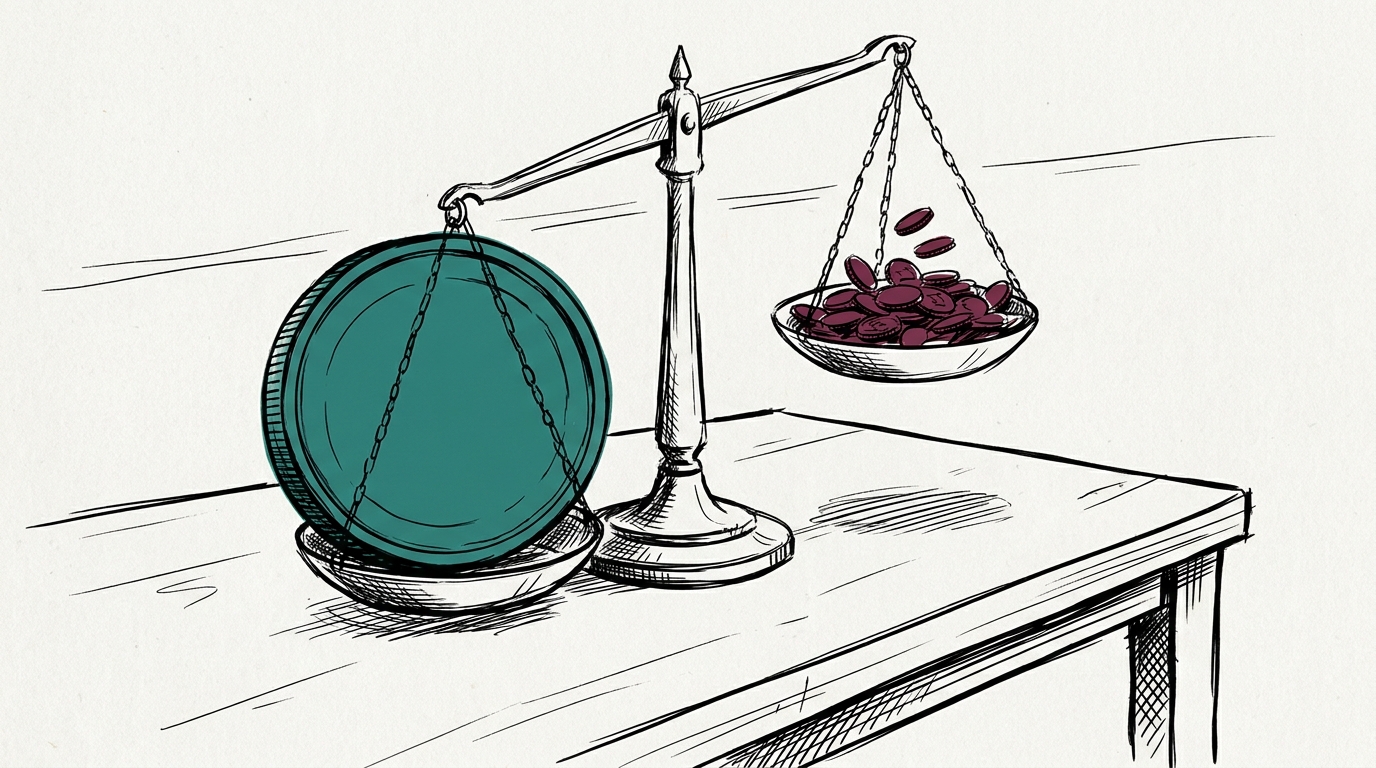
Denial is the weaker position in this exchange, which is why the claims keep coming. Tehran needs only to assert; Washington has to disprove a negative to an audience of underwriters who charge for uncertainty rather than for confirmed loss. A denied claim that moves a premium has still done its work.


Deep Analysis

In plain English

The US military command in the Middle East, CENTCOM, said on 18 July that Iranian reports of tanker explosions in the Strait of Hormuz were not true. This was the second Iranian claim about the strait that CENTCOM rejected that day, after it also denied the mining claim. Neither side has produced evidence, no salvage report or distress call has surfaced, so shipping companies are left with two governments disagreeing about what happened in the world's busiest oil shipping route.

What could happen next?
  • Consequence

    A denial carries less market weight than an assertion in a market that prices uncertainty rather than confirmed loss, which is why two CENTCOM denials in one day have not by themselves reversed the week's rise in Hormuz war-risk premiums.

First Reported In

Update #156 · First American deaths in Jordan

CENTCOM· 19 Jul 2026
Read original
Different Perspectives
Poland
Poland
Poland leads a self-announced AI Gigafactory consortium with a EUR 100 million phase-one commitment, matched by Czechia and joined by Hungary at EUR 25 million. EuroHPC has confirmed no consortium for the call closing 12 November, so the bloc exists only in national announcements so far.
UK Government (DCMS)
Secretary of State Lisa Nandy told the Commons on 3 September she has inherited the sovereign AI brief from Liz Kendall, but gave no assessment, figure or date on frontier-model access. It is the first public claim of ownership since DSIT's abolition, without the substance the committee asked for.
ASML
ASML
ASML CEO Christophe Fouquet credited Intel Foundry, not a European fab, with shipping the first high-volume logic product made on High-NA EUV, the tool only ASML builds. Europe holds the chokepoint tool; the company that spent it into volume production first is American.
Luxembourg
Luxembourg
Luxembourg joined Mistral's Series D as a new investor on 8 September, the same government that co-funds EuroHPC's MeluXina-AI supercomputer. One small member state now funds the sovereign compute Mistral may need and holds equity in the company using it.
Samsung Electronics
Samsung Electronics
Samsung led Mistral's Series D on 8 September and the same day expanded its ASML collaboration on next-generation lithography. One Korean company now sits atop Europe's largest AI funding round and inside its most sensitive chip-tooling relationship.
Mistral AI
Mistral AI
Mistral closed a EUR 3 billion Series D above a EUR 21 billion valuation on 8 September, with Samsung leading and Luxembourg joining as a new state investor. The company markets itself as Europe's non-American AI option even as the round's lead capital comes from South Korea and two US private-equity firms.