Skip to content
You can now search across every topic, entity and event.What's new
European Energy Markets
15JUN

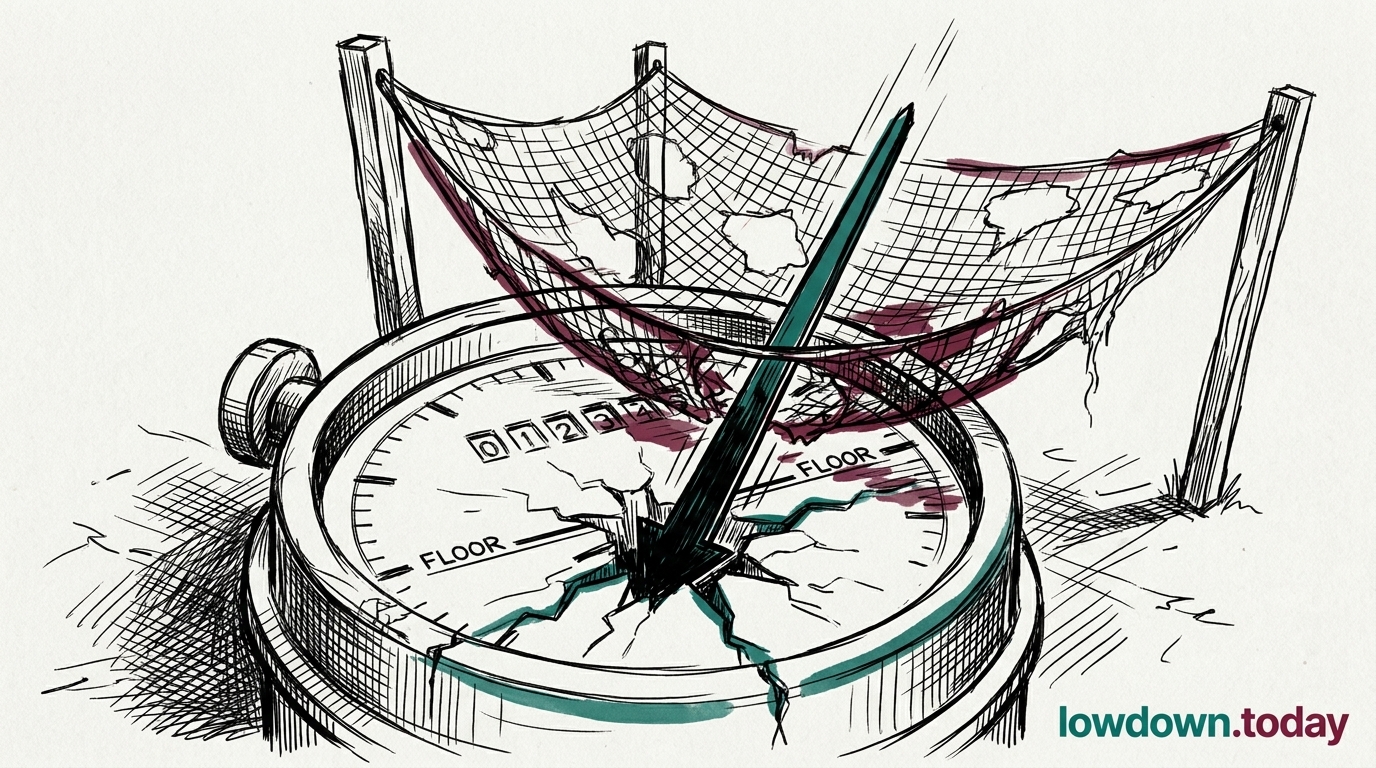
Russia's diesel ban sets a record crack

2 min read
12:23UTC

Alexander Novak announced a full Russian diesel export ban to 31 July on 8 July; the European diesel crack hit a record $60.17 a barrel the same day.

EconomicDeveloping
Key takeaway

Russia's export ban, not Hormuz, drove the European diesel crack to a record $60.17 a barrel.

Deputy Prime Minister Alexander Novak announced a full Russian diesel export ban through 31 July at a meeting chaired by Vladimir Putin on Wednesday 8 July, widening an earlier producer-only restriction to the whole market after Ukrainian strikes drove Russian refinery runs to multi-year lows 1. Russian seaborne diesel and gasoil exports had already fallen 39% in June, with only a Mongolia supply deal left exempt.

The European diesel refining margin, the crack that measures the gap between diesel and the crude it is made from, hit a record $60.17 a barrel the day of the announcement, and the ICE (Intercontinental Exchange) gasoil crack pushed to a 2026 high 2. The wires read this as more Hormuz spillover. The plumbing says otherwise. EU Regulation 833/2014 already bars Russian diesel from the European pool, so the ban removes no barrel Europe was buying.

It tightens the marginal replacement barrel Europe pulls from elsewhere, and the crack blows out on supply, not on a risk premium. It lands on ARA (Amsterdam-Rotterdam-Antwerp) independent gasoil stocks already at a two-and-a-half-year low 3. The crack had held near $46 through the crude sell-off into July ; a record above $60 is the size of the blowout.


Deep Analysis

In plain English

A 'diesel crack' is the profit a refinery makes turning crude oil into diesel fuel, the difference between the two prices. On 8 July that profit hit a record $60.17 a barrel in Europe, meaning refiners are making more money than ever on every barrel of diesel they produce. The record comes because Russia, a major diesel exporter, just banned all diesel exports until the end of July, on top of Ukrainian strikes that have already knocked out much of its refining capacity. With less Russian diesel reaching world markets, European refiners can charge more for their own.

Deep Analysis
Root Causes

Ukrainian strikes have cut Russian refinery throughput to multi-year lows, and years of export controls on Western refining catalysts and turnaround parts mean damaged units cannot be repaired quickly, so Moscow has less diesel to sell even before deciding to restrict exports.

With domestic pump prices politically sensitive ahead of any repair timeline, the government is choosing to protect the internal market first and let export volumes absorb the shortfall, which is why the ban targets exports specifically rather than rationing at home.

What could happen next?
  • Consequence

    Mongolia is the only destination exempted from the ban, so any further carve-outs Moscow grants in the coming weeks would signal which buyers it is prioritising as domestic supply tightens.

First Reported In

Update #15 · Three shocks, one week, across the oil spreads

Bloomberg· 10 Jul 2026
Read original
Different Perspectives
Spain's LNG terminal operators
Spain's 9,145 GWh terminal inventory is the largest single stock in the EU LNG network, an option value that can reroute cargoes wherever the winter strip pays best rather than a cavern gas obligation tied to a fixed date. That flexibility matters more as Germany's cavern shortfall pushes more of the winter security question onto import infrastructure.
European Commission
European Commission
Brussels holds the bloc to 90% on a flexible window while Germany, holding roughly a quarter of EU storage capacity, tracks toward missing its own lower 80% figure by 21 points. A national shortfall this size in the anchor market matters more to bloc security than the flexible timetable alone can absorb.
French power exporters and CRE
French day-ahead rose in step with Germany but by less, reopening a EUR 7-17 premium that makes northward export flows commercially attractive again after the EUR 43.09 discount evaporated in days. CRE separately authorised RTE and Enedis to buy flexibility locally, betting the coming winter's binding constraint is grid congestion rather than a shortage of firm capacity.
TTF trading desk
TTF trading desk
A visible national shortfall like Germany's 21-point gap is a directional signal, not noise, for a desk holding the summer-winter spread. TTF's flat EUR 58-60 range through this week's German price swings says the market has not yet chosen to reprice refill risk into the front of the curve.
German cavern and CCGT operators
German caverns kept buying prompt gas at TTF near EUR 58-60 through the inversion; the wind collapse to 2.4 GW then flipped the spark spread to plus EUR 29 and put turbines back in the same queue. Every day turbines win that bid, injection at a third of the 877 GWh/day pace needed falls further behind.
Slovakia
Slovakia
Slovakia says it dropped its hold-out on the 21st sanctions package only after Ursula von der Leyen personally signed written gas-price and supply guarantees. The Council of the European Union's own 17,238-character release on the package names neither Slovakia nor any guarantee, leaving Bratislava's account unconfirmed by the institutional record.



