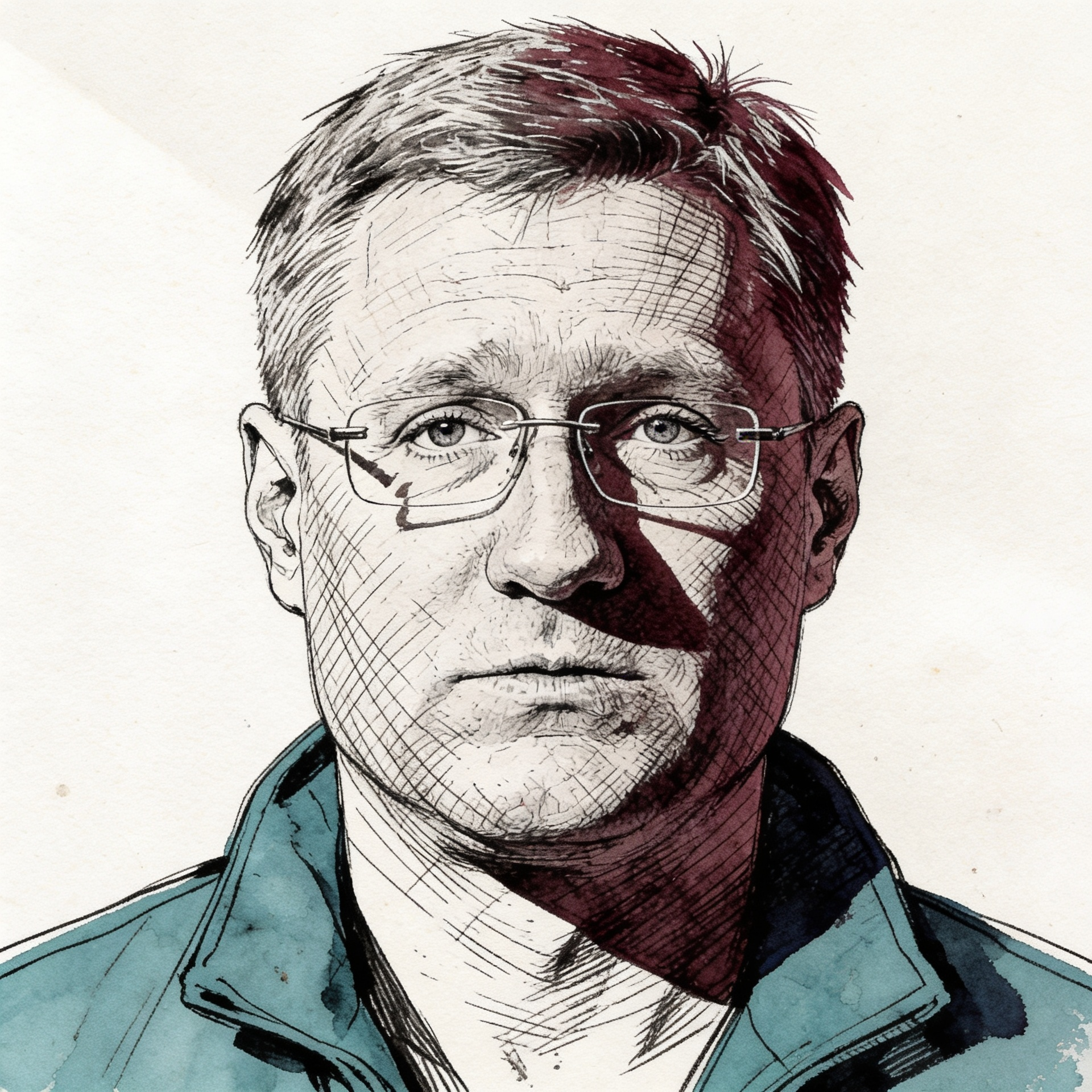
Alexander Novak
Russian Deputy PM for energy and OPEC+ envoy; his diesel-export quota study remains undecided.
Alexander Novak, Russia's energy chief for over a decade, let his own 8 July ban on all Russian diesel exports run past its scheduled 31 July end, telling markets on 25 July that any lifting now hinges on a recovery signal he has left undated.
Last refreshed: 3 August 2026 · Appears in 2 active topics
Why did Putin, not Novak, have to admit Russia's fuel queues himself?
Timeline for Alexander Novak
Announced the early lifting of diesel export restrictions
Russia-Ukraine War 2026: Novak lifts Russian diesel export curbsMentioned in: OFAC opens US market to Russian diesel
Russia-Ukraine War 2026Mentioned in: Putin decree curbs Russian refinery data
Russia-Ukraine War 2026Moscow rolls the fuel export ban to 30 September
Russia-Ukraine War 2026Chaired OPEC+'s 67th Joint Ministerial Monitoring Committee
Russia-Ukraine War 2026: Novak chairs OPEC+; diesel study waitsBackground
Alexander Novak has been Russia's Deputy Prime Minister for the energy sector since November 2020, having previously served six years as Energy Minister from 2012. He is Moscow's principal public voice on energy policy and its representative at OPEC+ ministerial meetings, giving him a dual domestic and diplomatic energy brief that few other Russian officials combine.
That dual role has made him the government's default messenger whenever the sector comes under strain, whether from OPEC+ quota negotiations or a domestic fuel squeeze. Through 2026 he has managed an escalating crisis of refinery outages and export restrictions caused by strikes on Russian Energy infrastructure, a portfolio spanning both crude-export diplomacy and retail petrol supply inside Russia.
Novak's significance lies in that combination: he is simultaneously the face Russia presents to OPEC+ partners on production policy and the official answerable for domestic fuel availability, so a strain in one arena routinely surfaces in his public statements on the other.
His diesel ban outlasted its deadline
Novak's 8 July decree banning all Russian diesel exports, the first to bind producers as well as traders, was due to lapse on 31 July. Instead, on 25 July, the minister WHO has run Russia's energy brief for over a decade chose to drop the fixed Deadline himself, tying any future lifting to a market signal he left unspecified and undated.
A week earlier he had gone further, ordering the Federal Antimonopoly Service to study cutting the mandatory diesel exchange-sale quota to 10%, a second domestic lever layered on top of the export ban rather than a step toward easing it.
He halted a neighbour's crude transit
Novak confirmed on 1 May that Russia would stop Kazakh crude transiting the northern Druzhba branch to Germany, a route Berlin had used as a legal workaround after cutting Russian-origin supply. Moscow controls the pipeline and can block third-party transit without breaching sanctions rules itself.
The decision followed Ukraine's deep-strike campaign against Druzhba's pumping stations, tying an ostensibly technical transit decision to the wider conflict. For Novak it doubled as leverage: removing a workaround supply option tightened dependence on alternatives he does not control either.
He admitted strikes are cutting output
At the St Petersburg forum on 4 June, Novak made Moscow's first public admission that drone strikes were reducing Russian oil output, naming the Yaroslavl refinery, hit in May, as his example.
Within a month the admission looked understated: by 28 June it was Putin, not Novak, WHO had to concede publicly that petrol stations faced queues, after strikes on the Kapotnya and Tyumen refineries pushed rationing into fifteen-plus regions. Novak's usual role as the government's energy messenger had, for once, been overtaken by the scale of the shortage.
Reference
Who is Alexander Novak in the Russian government?
What did Alexander Novak do on 2 August 2026?
Has Russia decided whether to cut its diesel export quota?
What has Alexander Novak done about Russia's diesel shortage since the export ban?
Did Putin admit Russia has a fuel shortage?
Why is Russia rationing petrol in June 2026?
What did Alexander Novak say about Ukrainian drone strikes in June 2026?
Why did Russia stop Kazakh oil transiting to Germany in May 2026?
How much did Ukraine's pipeline strikes cut Russian oil exports?
How much has Russia's oil production fallen because of drone strikes?
How much did Russia's diesel export ban cut oil loadings?


