Skip to content
You can now search across every topic, entity and event.What's new
European Energy Markets
15JUN

Rubio sets the US sequence on oath

3 min read
12:23UTC

In his first war testimony, Marco Rubio told the Senate the strait reopens before any centrifuge talks, with no sanctions relief for reopening alone.

EconomicDeveloping

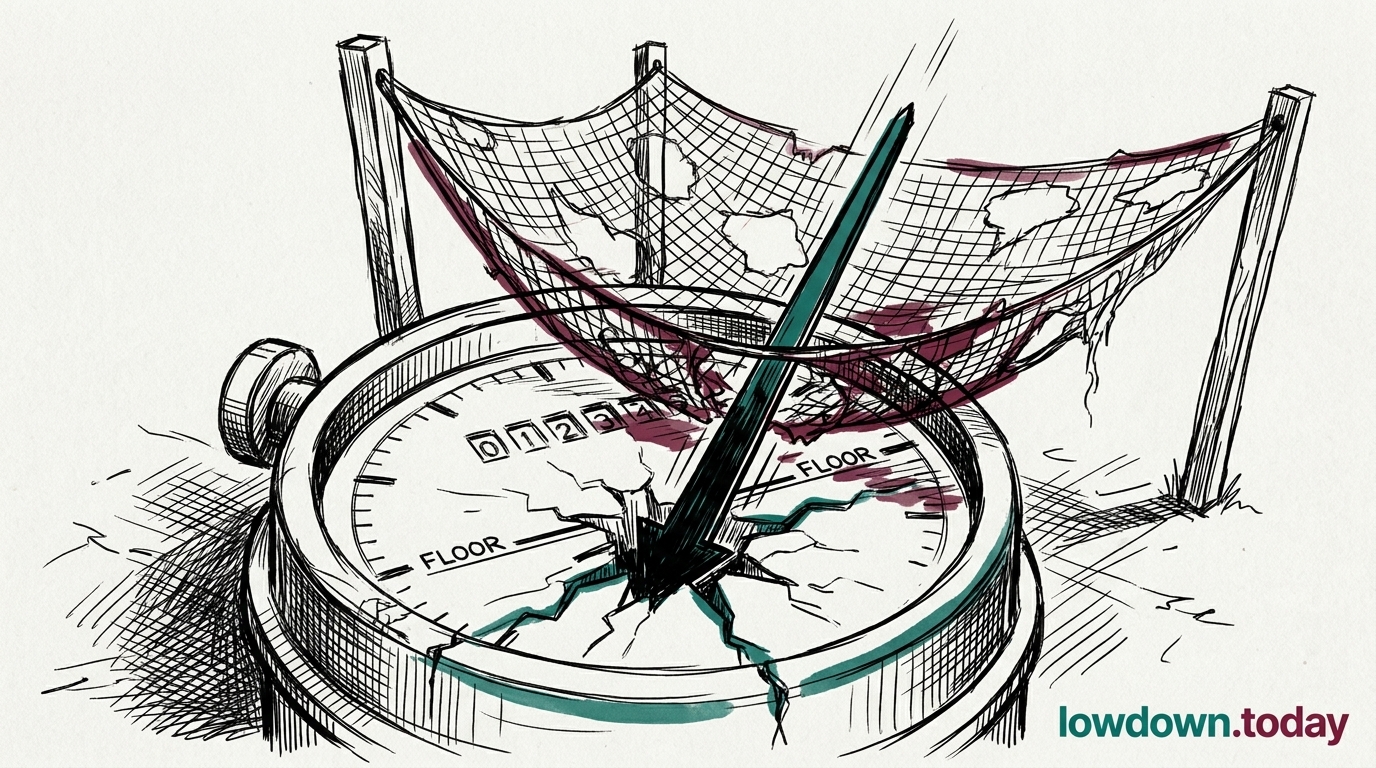
Secretary of State Marco Rubio gave the SFRC (Senate Foreign Relations Committee) his first testimony since the war began, on 2 June. He laid out the US order of operations under oath: the Strait of Hormuz reopens first, then 30, 60 or 90-day technical talks on cutting or cancelling enrichment 1. Reopening alone buys Tehran nothing. "We have not offered Iran any sanctions relief" for that first step, Rubio told the committee 2.

The sequence answers a question the war has dodged for three months, which side moves first. Washington wants the strait open before the centrifuges are discussed, and the same week it cut the IRGC's stablecoin toll rail through OFAC , the demand to reopen Hormuz is the diplomatic face of that financial squeeze. Iran must give up the chokepoint leverage before it gains anything at the table.

Rubio also gave the first US read on the Supreme Leader's channel. Mojtaba Khamenei "appears increasingly engaged, although all of his communications have been in writing and through intermediaries" 3. On the 440.9 kg enriched uranium stockpile, Rubio offered no new custody plan: it is, he said, "still buried deep in a mountain somewhere" 4. Washington has a sequence and a read on Tehran's top channel, but no answer yet on where the uranium goes.


Deep Analysis

In plain English

US Secretary of State Rubio told Congress on 2 June that Iran must reopen the Strait of Hormuz first, before any nuclear talks begin and before any sanctions are lifted. He laid out a timeline of 30, 60 or 90 days of technical negotiations that would only start after Iran acts. Iran's leverage in these negotiations is the Hormuz closure itself. Rubio is asking Tehran to relinquish that leverage before Washington offers anything in return. He also confirmed for the first time that Supreme Leader Mojtaba Khamenei is sending written messages through intermediaries, a slow channel that sits awkwardly against the 30/60/90-day timetables Rubio proposed.

Deep Analysis
Root Causes

The sequencing deadlock has one structural driver: Iran's only strategic leverage is the Strait of Hormuz. Reopening it for free removes Tehran's ability to compel a sanctions-relief deal.

The Hormuz toll mechanism and the PGSA architecture (built at significant political cost inside Iran between March and May 2026) were designed specifically to create a concession Iran could offer in exchange for something. Asking Iran to dismantle that mechanism before talks produce a verified commitment violates the basic exchange logic that any negotiated settlement requires.

Rubio's characterisation of Mojtaba Khamenei as writing-only-through-intermediaries is the public US record that the Supreme Leader is engaging. It simultaneously constrains Tehran's ability to deny talks are happening and confirms that the channel is indirect and slow, meaning that the 30/60/90-day timelines Rubio proposed require Khamenei to sanction moves faster than his communication channel permits.

Escalation

Rubio's testimony does not escalate the military situation but hardens the US diplomatic position. The explicit statement that no sanctions relief accompanies a Hormuz reopening reduces the probability of a rapid deal and increases the risk that Iran will interpret the framework as structurally bad-faith.

What could happen next?
  • Risk

    Iran's SNSC will likely read the no-sanctions-relief condition as confirming that Hormuz reopening is a unilateral concession, reinforcing the hardliners' argument that Araghchi's diplomacy delivers nothing.

  • Consequence

    The 440.9 kg enriched uranium stockpile remains in Iranian territory with no agreed custody plan; every week without an agreement extends the proliferation-risk window Rubio acknowledged but did not resolve.

First Reported In

Update #116 · Washington signs a sanction, not a strike

Al Jazeera· 3 Jun 2026
Read original
Different Perspectives
Spain's LNG terminal operators
Spain's 9,145 GWh terminal inventory is the largest single stock in the EU LNG network, an option value that can reroute cargoes wherever the winter strip pays best rather than a cavern gas obligation tied to a fixed date. That flexibility matters more as Germany's cavern shortfall pushes more of the winter security question onto import infrastructure.
European Commission
European Commission
Brussels holds the bloc to 90% on a flexible window while Germany, holding roughly a quarter of EU storage capacity, tracks toward missing its own lower 80% figure by 21 points. A national shortfall this size in the anchor market matters more to bloc security than the flexible timetable alone can absorb.
French power exporters and CRE
French day-ahead rose in step with Germany but by less, reopening a EUR 7-17 premium that makes northward export flows commercially attractive again after the EUR 43.09 discount evaporated in days. CRE separately authorised RTE and Enedis to buy flexibility locally, betting the coming winter's binding constraint is grid congestion rather than a shortage of firm capacity.
TTF trading desk
TTF trading desk
A visible national shortfall like Germany's 21-point gap is a directional signal, not noise, for a desk holding the summer-winter spread. TTF's flat EUR 58-60 range through this week's German price swings says the market has not yet chosen to reprice refill risk into the front of the curve.
German cavern and CCGT operators
German caverns kept buying prompt gas at TTF near EUR 58-60 through the inversion; the wind collapse to 2.4 GW then flipped the spark spread to plus EUR 29 and put turbines back in the same queue. Every day turbines win that bid, injection at a third of the 877 GWh/day pace needed falls further behind.
Slovakia
Slovakia
Slovakia says it dropped its hold-out on the 21st sanctions package only after Ursula von der Leyen personally signed written gas-price and supply guarantees. The Council of the European Union's own 17,238-character release on the package names neither Slovakia nor any guarantee, leaving Bratislava's account unconfirmed by the institutional record.



