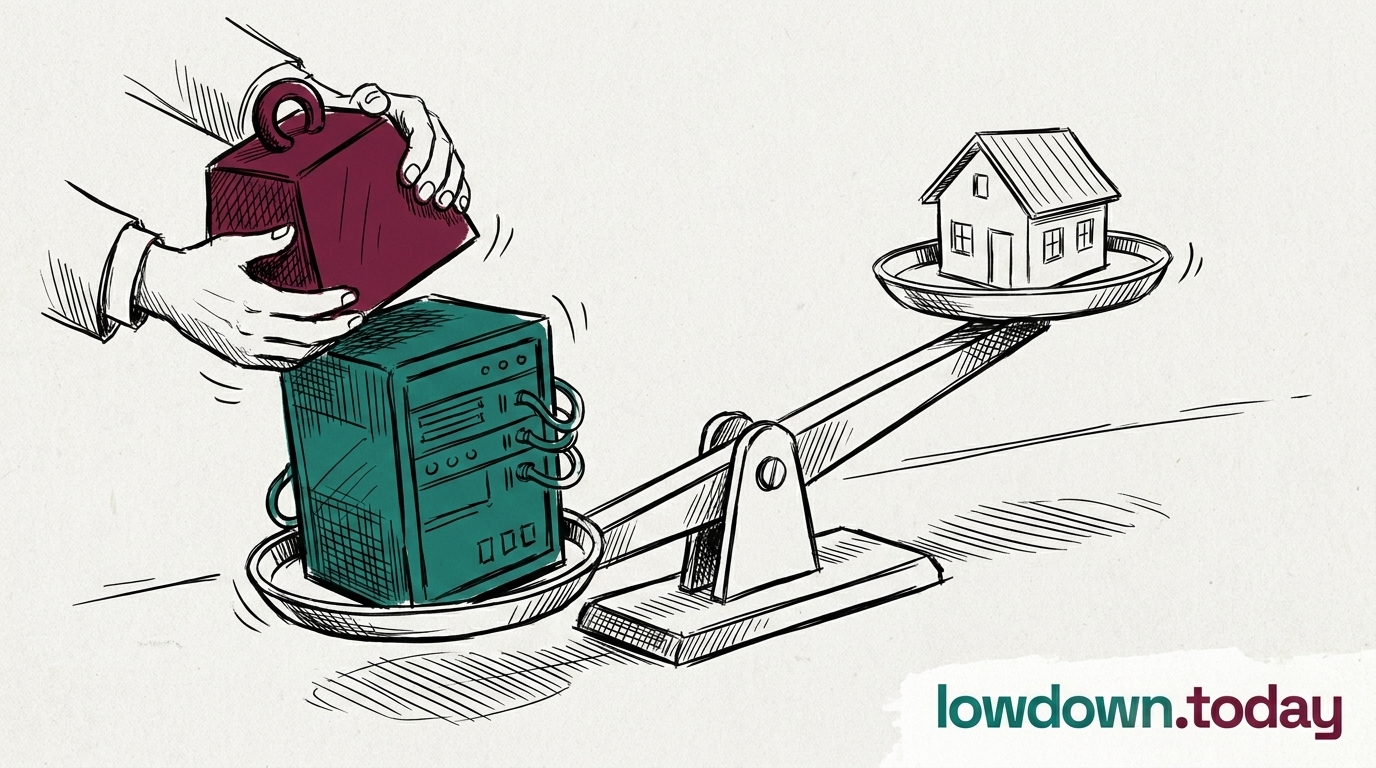
PJM Interconnection, the largest grid operator in the United States, serving roughly 65 million people across thirteen states, revised its September Reliability Backstop Procurement to a bilateral-first structure targeting roughly 9 GW, down from a prior 14.9 GW target, according to a Jefferies estimate published on or around Tuesday 19 May.1
The backstop is the mechanism by which PJM secures emergency capacity to keep the lights on when demand outpaces supply. A bilateral-first design pushes large loads to strike their own supply contracts before the grid steps in to procure the remainder centrally, which is how the target shrank by nearly six gigawatts. The change followed directly from the warning PJM's board sent thirteen state governors that grid-reinforcement costs would otherwise drift onto household bills.
For data-centre operators, the revision narrows the pool of capacity the grid will backstop on everyone's behalf and widens the share they must arrange themselves. It is a quieter version of the same cost-allocation fight Oregon settled by tariff: who lines up the power, and who pays when the grid has to fill the gap.





