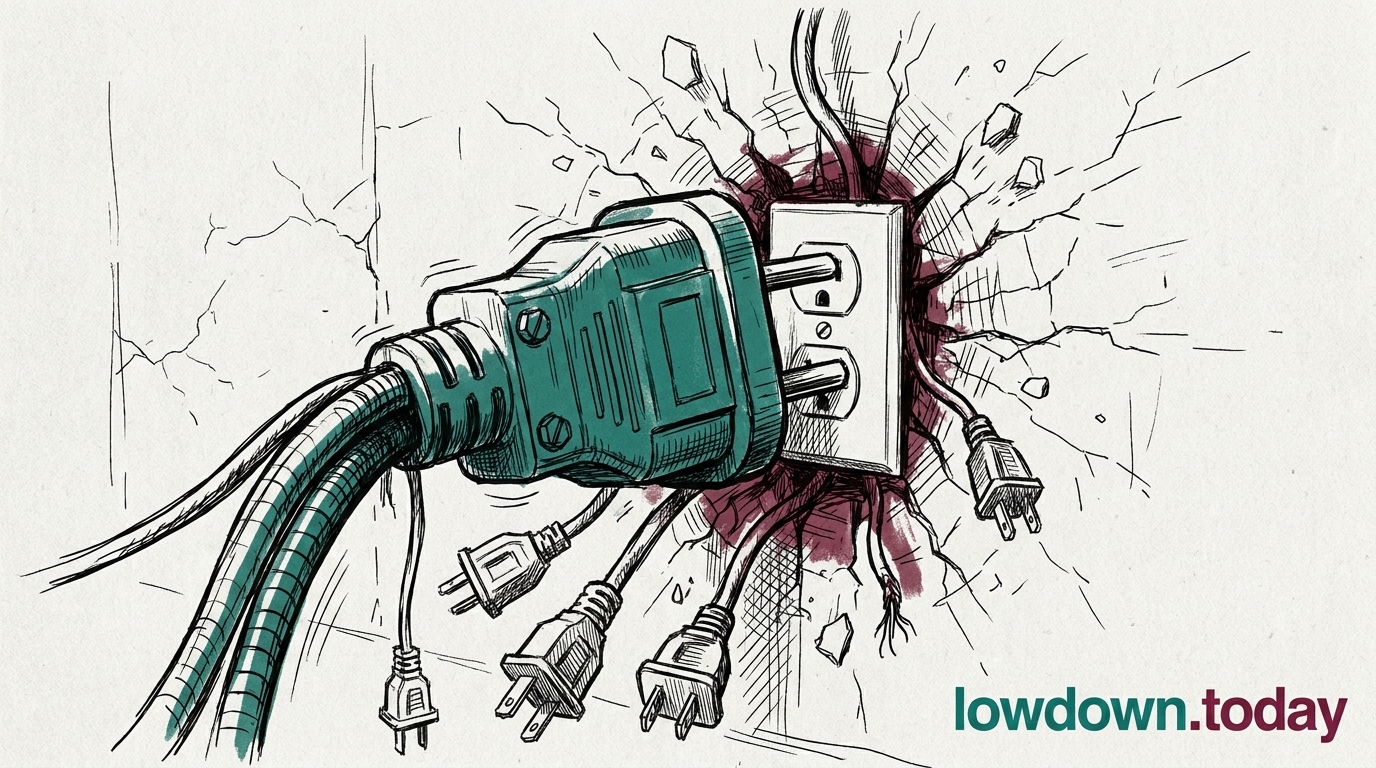
PJM Interconnection, the regional transmission organisation that runs the electricity grid across 13 US states and Washington DC, put the question the whole boom has avoided into writing. In a board letter signed by chair Paula Conboy on 19 May 2026, PJM told governors that unless their states build frameworks to allocate data-centre costs before its centralised procurement runs in September 2026, those costs may land on "other consumers in the states, including residential consumers"1.
The instrument is a centralised Reliability Backstop Procurement, brought forward to September because legal certainty on cost allocation may not arrive until 2027. PJM merged it with its Connect and Manage process under a single fast-track, its CIFP (Critical Issue Fast Path). Data centres that contract bilaterally for backstop power leave the mandatory connection pool; everyone left behind shares the reinforcement bill.
PJM set the September date for a reason. It already runs DOE (Department of Energy) curtailment authority over backup-equipped sites, filed its co-located load tariff on the same 18 May FERC (Federal Energy Regulatory Commission) deadline it was set, and watched FERC log 75 GW of new summer capacity while the grid still hit an emergency. The letter says the next reinforcement round cannot wait for a rulebook. Operators counter that they pay connection charges already, and that a backstop auction socialises a cost they did not ask other ratepayers to carry.



