OFAC designated CUPET (Union Cuba-Petroleo) on Thursday 11 June 2026 under Section 2(a)(i)(A) of Executive Order 14404, the state company that licenses the island's fuel imports and runs its own production of roughly 40,000 barrels a day against daily demand of 110,000 to 120,000 1. Marco Rubio, the US Secretary of State, said CUPET's assets had been "unlawfully expropriated from American owners years ago," reaching back to the 1960 nationalisation, and accused Havana of weaponising energy 2. Cuban Foreign Minister Bruno Rodriguez Parrilla answered that Rubio was "further tightening the economic and energy blockade."
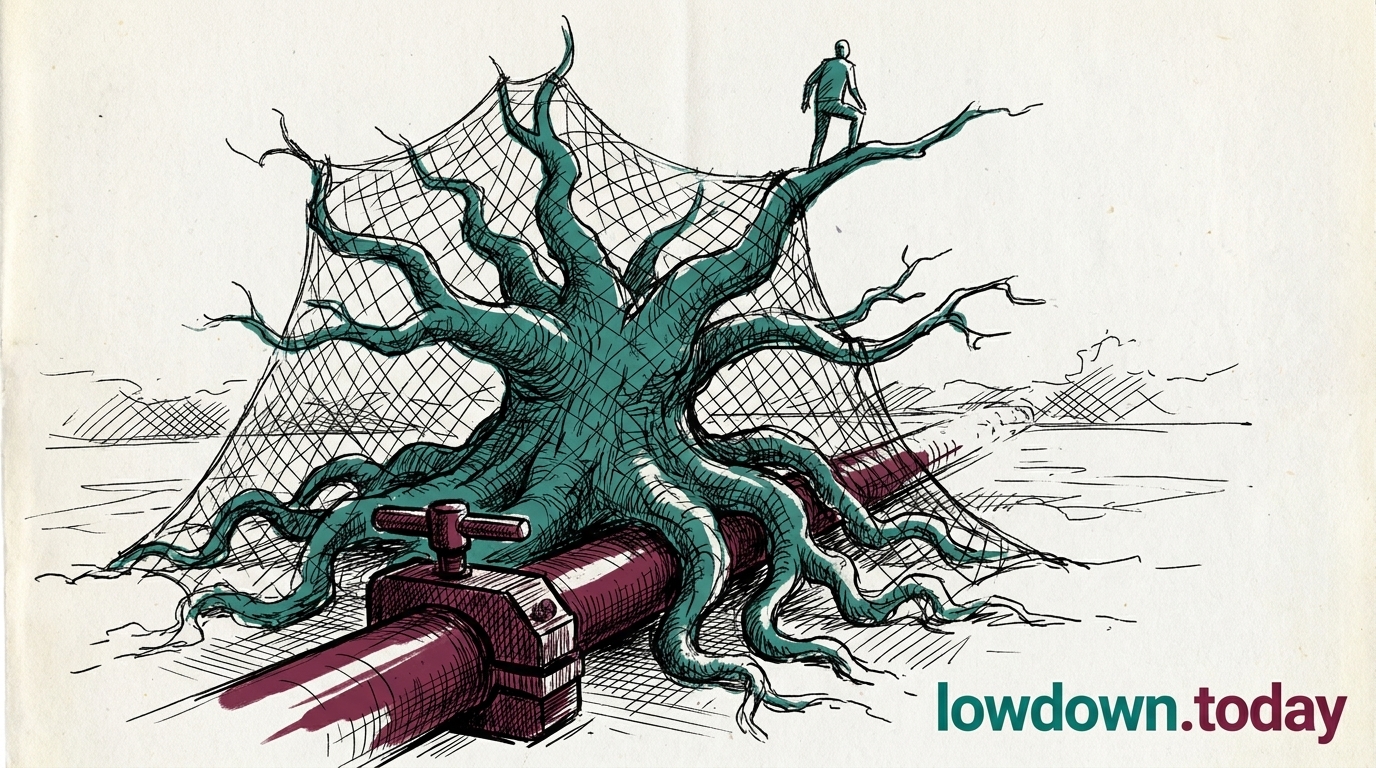
The designation closes a door that had been left ajar. The 25 March Venezuela licence permitted crude sales to Cuban private-sector buyers while keeping the state blocked, a loophole sized for cuentapropistas (private-sector entrepreneurs). In practice no private Cuban importer has a pipeline that bypasses CUPET's ports, customs and licensing, so naming CUPET exposes the very channel the carve-out relied on. Rubio's expropriation framing also shifts the legal basis from national-security emergency toward a property-rights claim, which is harder to unwind with a quick future licence because the underlying dispute predates the current order.
The timing lands hard. Cuba has had no confirmed replacement cargo since the Sovcomflot Universal turned away on 26 May , and Energy Minister Vicente de la O Levy has conceded Venezuelan crude has been cut since November 2025 . On the night of 11 June the grid deficit topped 2,000 MW with 106 distributed-generation sets, the small diesel gensets that backstop the grid, idle for lack of fuel and roughly 60 per cent of thermoelectric units offline 3. For an ordinary household that means losing more than half the evening's power at the hour everyone is cooking and pumping water.
Jorge Pinon of the University of Texas at Austin put the structural verdict plainly: conditions will worsen even through a political transition 4. The point is that the same crippled fleet would still be standing the morning after any change of government. With domestic output fixed near 40,000 barrels, demand triple that, and now no licensed import channel at all, the fuel gap is locked in by law as much as by logistics.