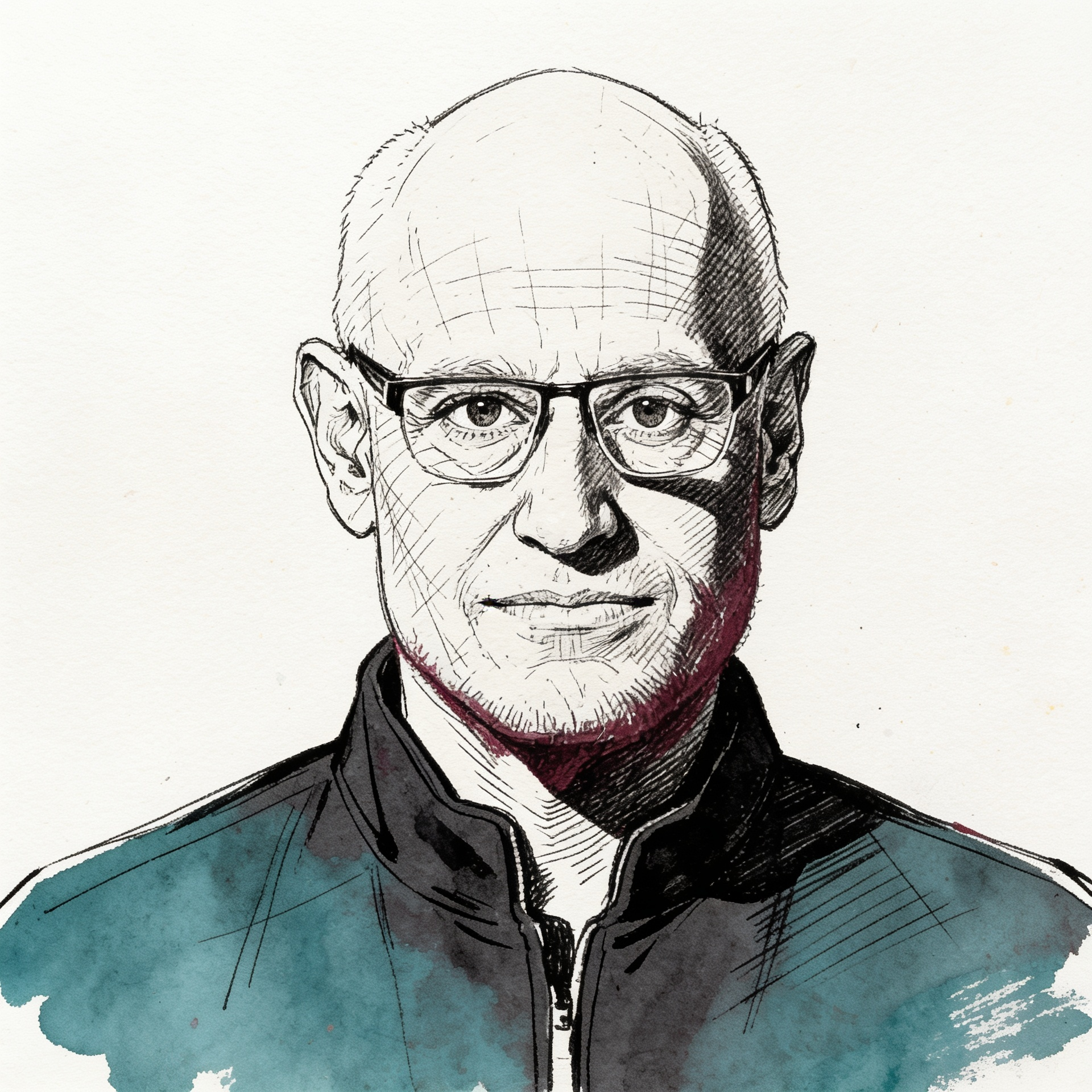
Jorge Pinon
Energy researcher at the University of Texas at Austin specialising in Cuba's energy sector; cited on the structural nature of the island's electricity crisis.
Last refreshed: 12 June 2026 · Appears in 1 active topic
What does Cuba's leading energy analyst say will happen to the grid even after a transition?
Timeline for Jorge Pinon
Identified Mariel isotank route as only theoretical workaround for CUPET blockage
Cuba Dispatch: The fuel with nowhere to landAssessed that Cuba's energy crisis will worsen even through a political transition
Cuba Dispatch: US sanctions Cuba's national oil companyBackground
Jorge Pinon is a researcher at the University of Texas at Austin Energy Institute where he focuses on energy policy and infrastructure in Latin America, with particular depth on Cuba's energy sector. He has tracked Cuba's electricity and fuel supply system over many years and is among the most frequently cited independent analysts on the structural condition of the Cuban grid. His assessments combine production data, import records, and infrastructure analysis to give a picture of the island's energy position that goes beyond state-issued figures. In the context of the 2025 to 2026 collapse of Cuba's electricity system, his analysis has provided much of the publicly available structural diagnosis of what is failing and why.
Pinon has specifically described Cuba's energy crisis as structural rather than cyclical: the same crippled infrastructure, ageing thermoelectric plants, and import dependency would persist into any political transition. That assessment, delivered in the context of the 11 June 2026 CUPET designation, places the energy collapse in a different frame from the sanctions debate. Cuba's own production runs at roughly 40,000 Barrels Per Day against national demand of 110,000 to 120,000, a structural gap that predates the current escalation and is not resolved by a change in government.
His institutional base at a major US public university gives him independence from both US government policy and Cuban government sources, which is why his analysis is treated as a reference point rather than an advocacy position by journalists, think-tanks, and policymakers covering the Cuba file.
Who is Jorge Pinon and what does he say about Cuba's energy crisis?
How much oil does Cuba produce versus how much it needs?
Will Cuba's electricity crisis survive a change in government?