Skip to content
Briefings are running a touch slower this week while we rebuild the foundations.See roadmap
Cuba Dispatch
4JUN

Russian tanker lands 730,000 barrels at Havana

3 min read
11:38UTC

The Anatoly Kolodkin delivered nine to ten days of Cuban demand on 31 March and Moscow announced a second vessel was loading.

PoliticsDeveloping
Key takeaway

Moscow's tanker is not normalisation, it is the difference between a dark evening and a darker one.

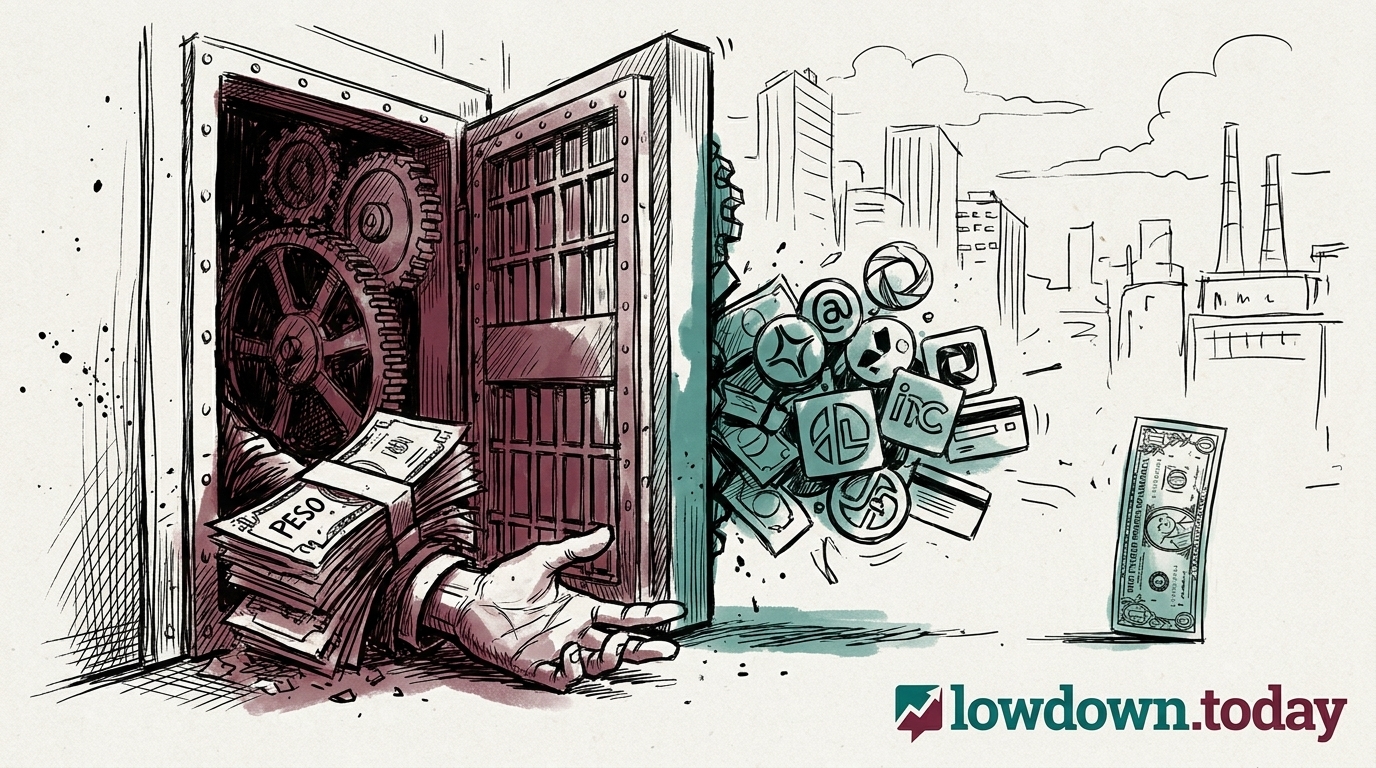
The Russian tanker Anatoly Kolodkin docked at Havana on 31 March 2026 carrying approximately 730,000 barrels of crude, the equivalent of nine to ten days of Cuban demand 1. Russian Energy Minister Sergei Tsivilyov announced at an energy forum in Kazan that a second vessel was being loaded, pledging Moscow would "not leave Cubans alone in trouble". No name, departure date or cargo volume has been confirmed for the second tanker.

The delivery has a specific role in the larger architecture. Venezuelan oil is the historical backbone of Cuba's state supply; the 18 March US Treasury carve-out blocks that pipeline. Mexican shipments ended in late January under Executive Order 14380 tariff pressure. Russia is the only remaining state-to-state source able to deliver tanker-sized cargoes into Cuban ports, and it is doing so in direct defiance of the US secondary-tariff threat. Moscow treats the deliveries as a low-cost strategic signal in a relationship that costs it little, sustains Havana, and extends Russian presence in the western hemisphere.

President Donald Trump dismissed the delivery in a brief exchange with reporters: "Cuba's finished. Whether or not they get a boat of oil, it's not going to matter." The phrasing treats Cuban state collapse as already determined and the tanker as theatrical. What the quote understates is that even nine to ten days of crude, arriving on a reliable cadence, materially changes the UNE grid arithmetic. It does not normalise supply; it buys survival. Whether Moscow sustains the cadence is the single most consequential external variable in the Cuba fuel picture over the next quarter.


Deep Analysis

In plain English

Russia sent a tanker with Cuban oil because it is one of the few countries willing to defy US sanctions and accept the tariff risk. The delivery covers Cuba's power station needs for about 10 days. Russia's energy minister announced another tanker was loading, suggesting this isn't a one-off. But Cuba used to get far more oil from the Soviet Union; what Russia is sending now is a fraction of what it once provided. Think of it as sending one ambulance when the patient needed a hospital.

What could happen next?
  • Risk

    If Russia encounters its own tanker capacity constraints or diplomatic incentive to pause Cuba deliveries, Havana's grid situation deteriorates immediately with no substitute source in the pipeline.

  • Consequence

    Moscow's public defiance of EO 14380 secondary tariff threats; delivering oil despite the declared tariff exposure; tests the enforcement credibility of the secondary mechanism against a nuclear-armed state.

First Reported In

Update #1 · Cuba carve-out survives Venezuela oil easing

Euronews / Reuters· 15 Apr 2026
Read original
Causes and effects
This Event
Russian tanker lands 730,000 barrels at Havana
Russia's direct-to-Havana tanker route is the only reliable state-level fuel backstop surviving the 18 March carve-out. {{EVREF:/t/russia-ukraine-war-2026/5/the-us-treasury-issued-30-day-sanctions-waivers/}}
Different Perspectives
Spanish hotel operators
Meliá and Iberostar exited GAESA-linked Cuban hotels before 5 June to protect their broader Caribbean and global portfolios from secondary-sanctions exposure. Spain's commercial stake in Cuban tourism makes Madrid a structural veto risk if the EU advances Cuba-specific restrictive measures under Ollongren's mandate.
Cuban opposition / OCDH
After the US Senate killed a Cuba war-powers check 51-47 on 29 April, the Madrid-based OCDH formally demanded an EU reparations fund for political prisoners on 4 June, routing its pressure campaign to Brussels where the EU's existing restrictive-measures machinery, used previously against Venezuela and Belarus, does not require a Senate majority.
China
China
Beijing paired a birthday telegram to Castro with no operational commitment on fuel or credit, using the occasion to signal non-abandonment ahead of the G20 without incurring the cost of a replacement tanker. China has no military-logistics presence in the Caribbean comparable to Soviet-era capacity.
Russia
Russia
Moscow sent an official birthday message to the indicted Raúl Castro on 3 June, a deliberate legitimacy signal to Global South partners, while Sovcomflot has announced no replacement for the Universal's 270,000-barrel cargo that turned away on 26 May. The pattern mirrors Soviet public solidarity during the 1962 crisis while privately managing exposure.
Trump administration / OFAC
Washington let a calendar date do the work: no new designations were needed after 18 May, and the looming 5 June expiry, which strips foreign firms' legal-exit defence, drove the hotel exodus and card suspension without a second executive action. The administration has not publicly commented on the compound utility failures.
Cuban government and citizens
Havana's only countermeasure this week was a Granma editorial defending GAESA by name, conceding the designation is biting hard enough to require a public answer. Residents of Havana and Guanabacoa banged pots on the nights of 3-4 June, the first confirmed capital protests, after gas, water, and the state milk ration all failed.
