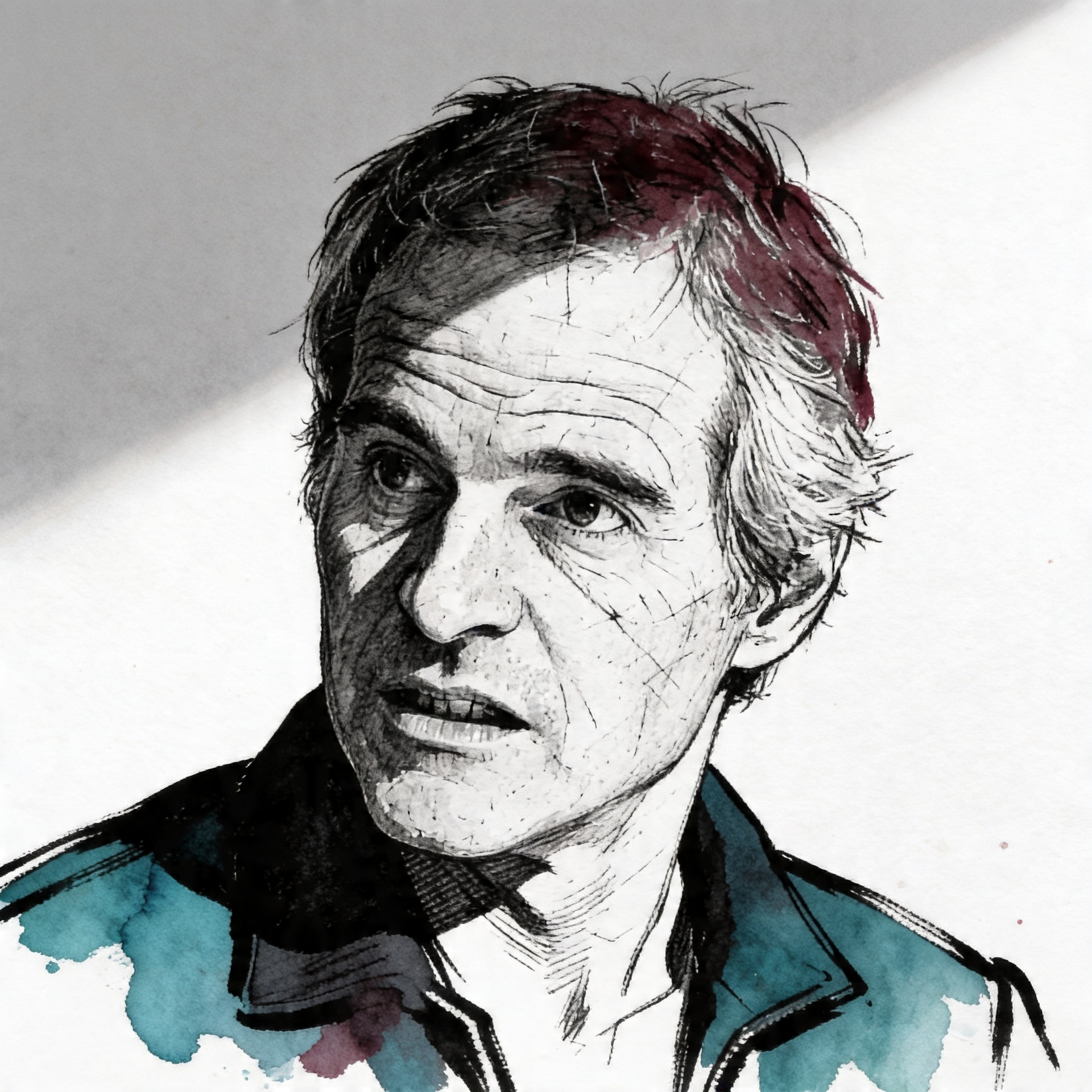
Rafael Grossi
IAEA Director General since 2019; principal Independent arbiter of nuclear risk in the 2026 Iran conflict.
A 23-to-3 IAEA Board vote on 9 September sent Iran's file to the UN Security Council, putting Rafael Grossi's inspection record at the centre of a case whose outcome still depends on the Council.
Last refreshed: 22 September 2026 · Appears in 2 active topics
Can Grossi broker a ZNPP ceasefire before reactor proximity strikes trigger a radiation incident?
Timeline for Rafael Grossi
IAEA Board sends Iran's file to New York
Iran Conflict 2026Called for a long-lasting, verifiable agreement
Iran Conflict 2026: IAEA still cannot locate Iran's uraniumMentioned in: Iran denies moving uranium to Pickaxe
Iran Conflict 2026Mentioned in: Iran says strike hit unfinished reactor
Iran Conflict 2026Repeated his call for military restraint near nuclear sites
Iran Conflict 2026: IAEA opens a file on Darkhovin strikeBackground
Rafael Grossi is the Argentine Director General of the International Atomic Energy Agency, a POST he has held since December 2019. He leads the UN body that inspects nuclear programmes, reports on safeguards compliance and assesses safety risks at civilian nuclear sites.
His authority depends on access and co-operation from states. On 18 April, he said a pause agreement without inspectors would be an illusion after Iran suspended co-operation. That position reflects the agency's role: it can verify nuclear material and certify findings, but it cannot force a state to grant access.
Grossi also represents the agency in nuclear-safety crises outside safeguards disputes. The repeated external-power losses at Zaporizhzhia show why his public warnings carry weight: the IAEA can inspect, broker repair arrangements and describe the risk, while the parties to a conflict retain control over conditions on the ground.
The safeguards case reached New York
Grossi's inspection record reached the UN Security Council after the IAEA Board voted on 9 September: 23 for referral, three against and eight abstaining. For Grossi, the vote moved his agency's unresolved verification record into a forum where Russia and China can block binding action.
Grossi had warned since 23 April that an agreement without verification was an illusion. By about 1 September, Grossi still lacked the access needed to check Iran's nuclear stockpile and urged inspection at Isfahan. The referral makes his inspection record the evidence behind any future Council debate, but it does not give him power to compel Tehran to admit inspectors.
His repair diplomacy keeps failing
On 15 July, Zaporizhzhia lost its off-site power connection for the 22nd time since 2022. Ten of those losses had occurred in the preceding three months, leaving the plant dependent on a backup line that had also failed repeatedly. For Grossi, each outage turns the IAEA's safety mission into urgent work to preserve cooling power at a shut-down reactor site.
His local ceasefires have created repair windows but not a durable safety arrangement. On 11 June, the agency brokered a sixth truce to repair the main line after a total blackout, yet the truce broke within days. Grossi can bring both sides to a technical arrangement and report its failure; he cannot enforce the repairs that would end the recurring emergency.
Why does Iran say IAEA inspections must wait for a final deal?
What did Grossi say about Iran inspections in Japan in June 2026?
Is the Zaporizhzhia nuclear plant safe in 2026?
Why has Grossi failed to get a ceasefire at Zaporizhzhia?
What happened at Zaporizhzhia nuclear plant in May 2026?
Does Article XII give the IAEA power to respond to strikes on nuclear plants?
What is Rafael Grossi's role in Iran nuclear negotiations?
Why has the IAEA been blocked from Iran?
How much enriched uranium does Iran have and is it enough for a nuclear weapon?
Can the IAEA verify Iran's uranium stockpile?
What did Grossi say about the Iran nuclear deal?
What happened to the fire station at Zaporizhzhia nuclear plant in July 2026?
What is Grossi's role at Zaporizhzhia?
What happens if Iran leaves the NPT?


