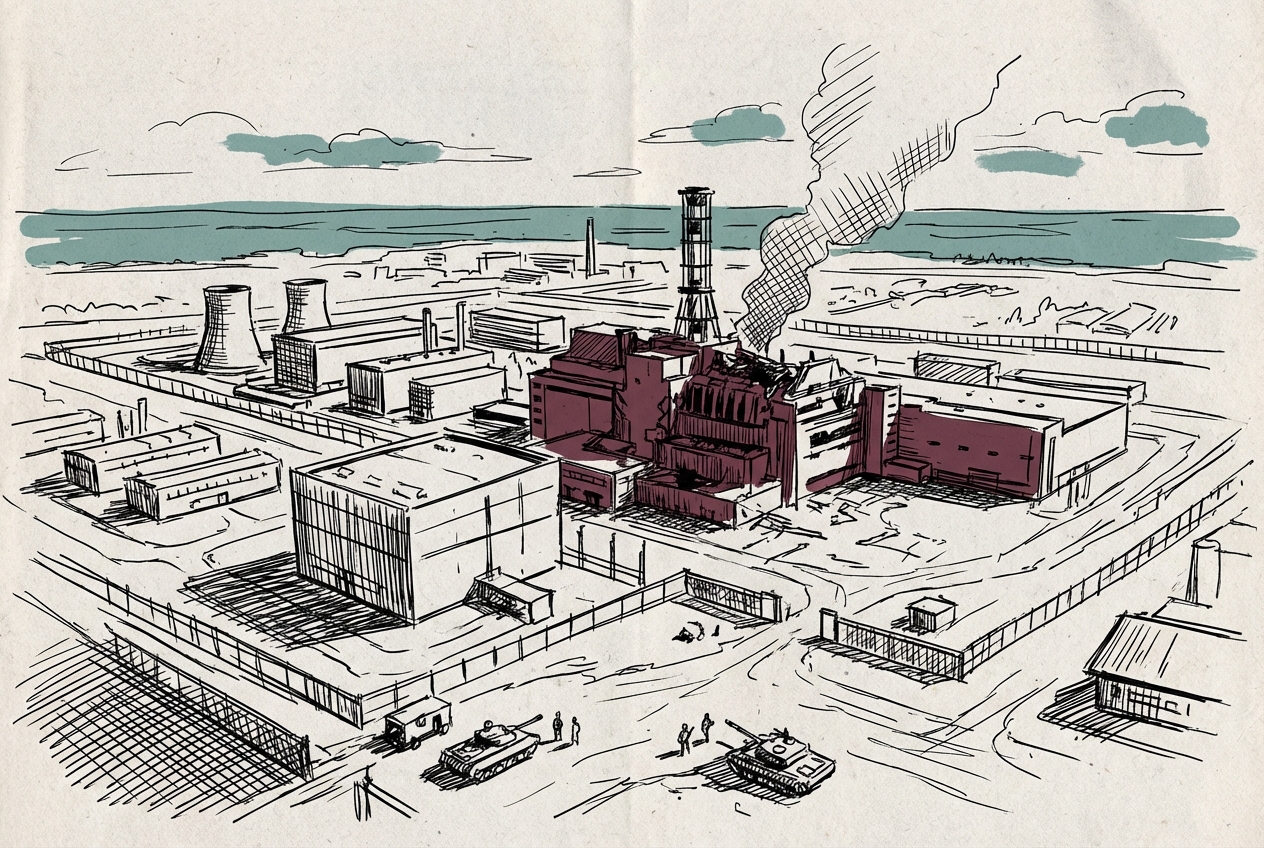
Natanz Fuel Enrichment Plant
Iran's primary uranium enrichment complex in Isfahan Province, struck by US forces in 2025-26.
Donald Trump said on 22 July 2026 that the US would soon hit Pickaxe Mountain, a nuclear-linked site near Natanz, while a Tehran source denied moving centrifuges or enriched uranium there; inspectors have not reached Iran's main sites for nearly a year.
Last refreshed: 28 September 2026 · Appears in 1 active topic
Can Natanz be rebuilt, and does Iran's nuclear programme still function?
Timeline for Natanz Fuel Enrichment Plant
Iran denies moving uranium to Pickaxe
Iran Conflict 2026Trump's Pickaxe threat, but no order
Iran Conflict 2026461 kg of uranium no one can verify
Iran Conflict 2026Bombed nuclear site still closed to inspectors
Iran Conflict 2026: Mentioned in: Trump claims inspections; Iran denies itMentioned in: US strikes four Iranian sites near Hormuz
Iran Conflict 2026Background
Natanz Fuel Enrichment Plant in Isfahan Province was Iran's primary uranium enrichment complex. Its enrichment output made Natanz a focus of IAEA monitoring, Iranian nuclear diplomacy and US and Israeli military planning.
Natanz was struck in June 2025 and twice in March 2026. The US used 5,000-pound GBU-72 penetrator bombs against Natanz, Fordow and Isfahan in June 2025. In March 2026 satellite imagery confirmed damage to its entrance buildings, though the state of the underground centrifuge halls stayed unknown, and the US struck Natanz again on 20 March. On 13 April Iran's foreign minister confirmed Natanz was destroyed and that Iran could not enrich at any site.
Iran's last verified stockpile, 440.9 kg of near-weapons-grade material, was recorded in September 2025, and inspectors have not physically checked it since. Any agreement must settle whether Natanz can be rebuilt and whether Iran may resume enrichment once it does.
The threat shifts to Natanz's neighbour
Foreign Minister Abbas Araghchi confirmed on 13 April 2026 that strikes had destroyed Natanz, leaving Iran unable to enrich anywhere. By July the dispute centred on Pickaxe Mountain, a nuclear-linked site near Natanz. On 22 July Donald Trump said the US would soon be hitting it very heavily, though no military order or deployment named it as a target.
A Tehran security source denied the same day that Iran had moved centrifuges or any of its 440 kilograms of enriched uranium to Pickaxe Mountain; Israeli intelligence, reported by the Wall Street Journal, says it did. UN inspectors have been kept out of Iran's main sites for nearly a year, so neither claim can be checked, and Iran warned that a US strike on its nuclear sites would count as widening the war.
Reference
What is the Natanz Fuel Enrichment Plant?
What is Pickaxe Mountain and why is it linked to Natanz?
How much enriched uranium does Iran still have?
Can Iran still enrich uranium at Natanz?
Why did the US strike Natanz and not Israel?
Was Natanz destroyed in 2026?
How does Natanz compare to Fordow?
Can the GBU-57 destroy Natanz?
How many times has Natanz been attacked?
What happens to Iran's enriched uranium under the ceasefire deal?
Was Natanz destroyed in the 2025 US strikes?


