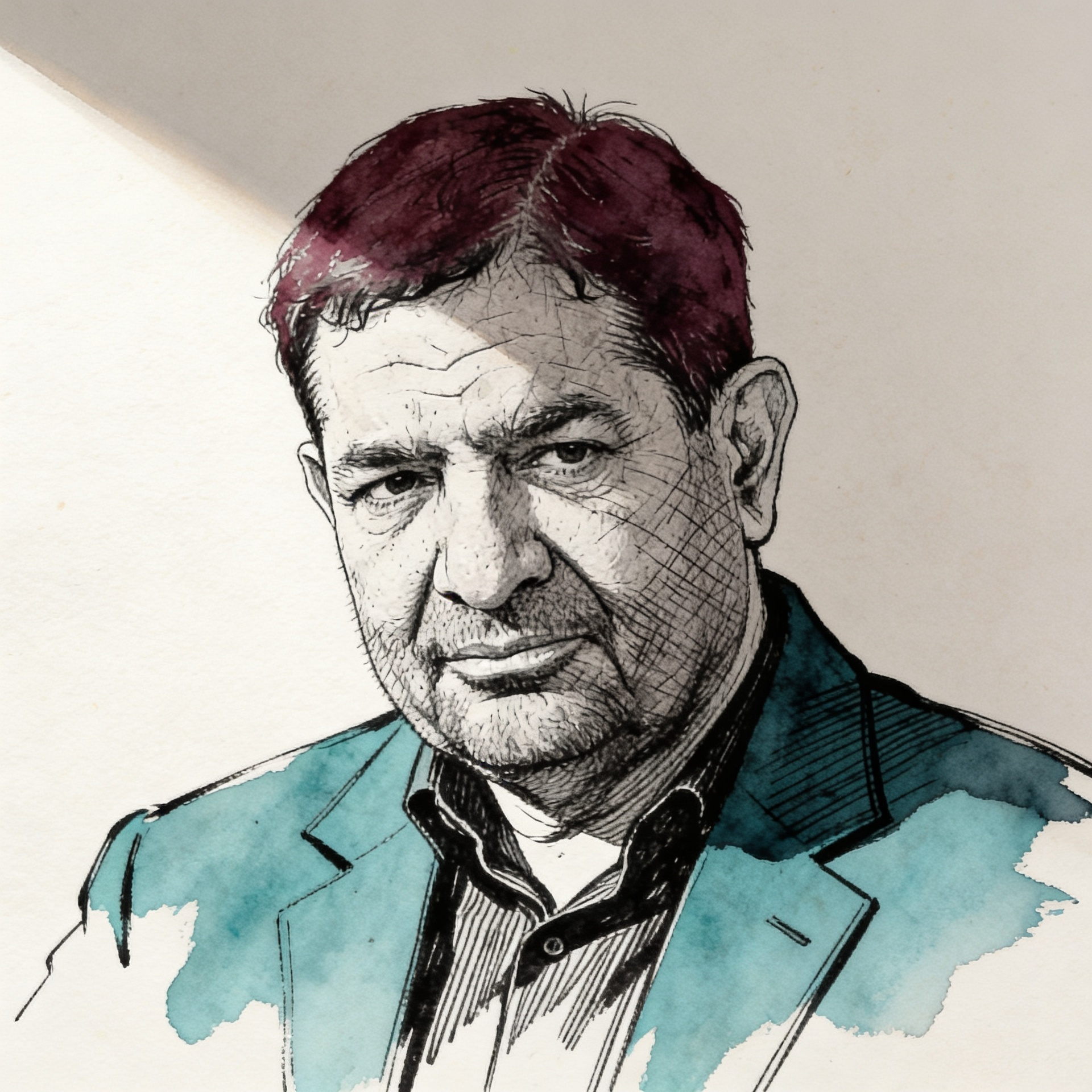
Why did Mokhber compare Hormuz to a nuclear weapon on 9 May?
Timeline for Mokhber
Mentioned in: Mojtaba's first named directives via IRIB
Iran Conflict 2026Mentioned in: Aramco warns of a 17.5% shock
Iran Conflict 2026Mentioned in: Brent flat at $101.29; Hormuz floor holds
Iran Conflict 2026Mentioned in: Trump expects Iran reply; signs nothing
Iran Conflict 2026Background
Mohammad Mokhber became the most cited Iranian official in the 10 May briefing when he stated on record that Iran's control of the strait of Hormuz is "a capability on the level of an atomic bomb" because a single decision can affect the entire global economy. The statement transformed a tactical blockade into a declared strategic doctrine, reframing the strait as Tehran's nuclear-equivalent leverage precisely as the US pressed Iran to surrender 200 kg of 60%-enriched uranium under an unverified MoU.
Mokhber served as Iran's First Vice President under President Ebrahim Raisi from August 2021 until Raisi's death in a helicopter crash on 19 May 2024 in East Azerbaijan Province. He then became acting president for ten weeks, from 19 May to 28 July 2024, when Masoud Pezeshkian was inaugurated following a Snap election. After leaving the acting-presidency he moved into The Supreme Leader's office as a senior adviser to Mojtaba Khamenei, giving him direct access to the principal decision-maker in the Islamic Republic. He is an economist and technocrat by background, having previously chaired the Execution of Imam Khomeini's Order (EIKO), Iran's largest parastatal conglomerate.
Mokhber's elevation from technocrat to doctrine-architect matters because his statement carries both institutional weight (senior adviser to The Supreme Leader) and personal credibility (he ran the country for ten weeks and knows the financial architecture). His Hormuz framing aligns the blockade with Iran's wider deterrence posture and complicates any MoU that asks Tehran to trade nuclear material for sanctions relief without a reciprocal US concession on Hormuz access.
Who is Mohammad Mokhber and what did he say about Hormuz?
Was Mokhber Iran's president?
What is the Hormuz atomic bomb doctrine Iran announced?
What is Mokhber's role under Khamenei?
How does the Hormuz doctrine complicate the Iran nuclear MOU?


