Yugawara
Kanagawa hot-spring town; activated ¥200–¥500 accommodation tax from 1 April 2026.
Last refreshed: 8 May 2026 · Appears in 1 active topic
Has Yugawara's hot-spring resort town introduced an accommodation tax in 2026?
Timeline for Yugawara
Mentioned in: Japan's lodging tax wave goes structural
Nomads & CommunitiesBackground
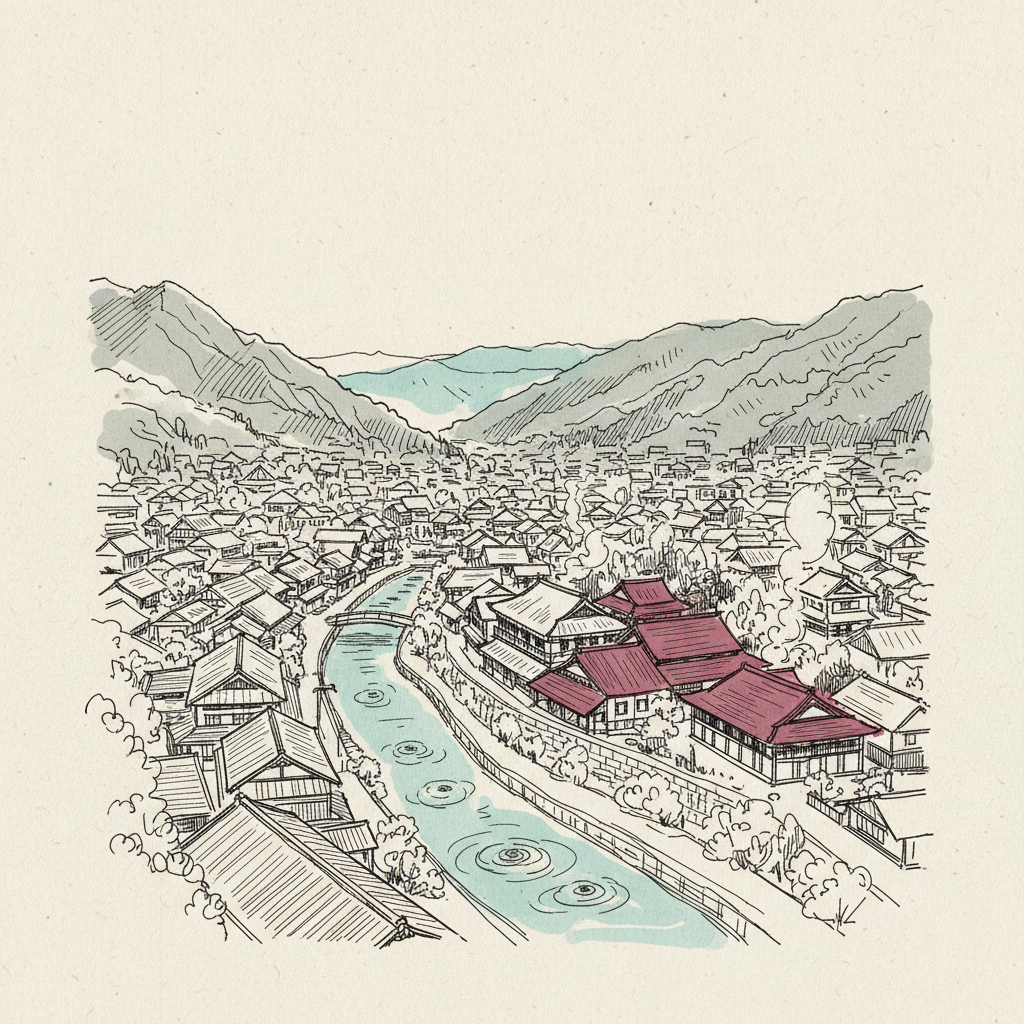
Yugawara is a coastal hot-spring (onsen) town in Kanagawa Prefecture, located near the Izu Peninsula on the Pacific coast roughly 90km southwest of Tokyo. It is a traditional domestic leisure destination for Tokyoites and is known for its historical connections to Japanese artists and writers WHO used it as a retreat. From 1 April 2026, Yugawara activated an accommodation tax of ¥200 to ¥500 per night as part of the first wave of municipal lodging taxes alongside Hokkaido, Hiroshima, Gifu and Toba.
Yugawara's inclusion in the 1 April wave alongside large cities like Hiroshima and Sapporo illustrates that the accommodation-tax model has propagated to small domestic resort towns rather than remaining confined to internationally famous tourist destinations. Its scale is modest relative to the regional cities, but the structural point is the same: the user-pays model has moved into routine municipal budgeting.
Does Yugawara charge a lodging tax in 2026?
Where is Yugawara and why are digital nomads moving there?
How cheap is it to rent in Yugawara compared to central Tokyo?
What is it like to live as a foreign remote worker in a small Japanese onsen town like Yugawara?


