Gifu
Central Japan city; added a ¥200–¥500 accommodation tax from 1 April 2026.
Last refreshed: 8 May 2026 · Appears in 1 active topic
Does Gifu city charge an accommodation tax after April 2026?
Timeline for Gifu
Mentioned in: Japan's lodging tax wave goes structural
Nomads & CommunitiesBackground
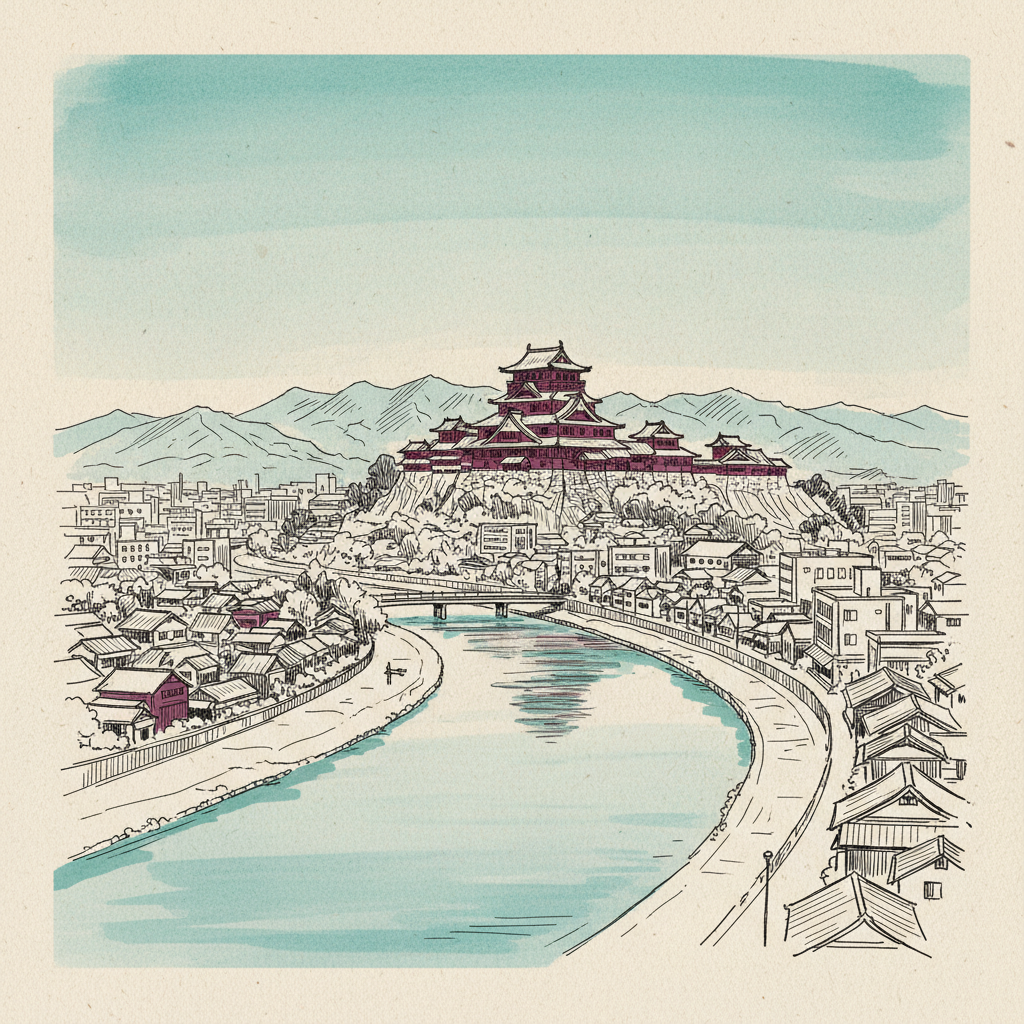
Gifu is the capital city of Gifu Prefecture in central Honshu, Japan, with a population of around 400,000. It is known for its cormorant fishing (ukai) on the Nagara River and Gifu Castle, and sits in a mountainous region roughly 30km north of Nagoya. From 1 April 2026, Gifu activated an accommodation tax of ¥200 to ¥500 per night as part of the first wave of municipal lodging taxes alongside Hokkaido, Hiroshima, Yugawara and Toba.
Gifu's inclusion in the 1 April wave signals that the accommodation-tax model has spread to mid-sized inland prefectural capitals rather than remaining concentrated in coastal cities or world-famous destinations. For nomads, Gifu represents a lower-cost alternative to Nagoya and Kyoto with improving Shinkansen connectivity; the ¥200–¥500 levy adds minimally to accommodation costs.
Does Gifu in Japan charge a hotel tax from 2026?
Why is Gifu attracting remote workers from Tokyo?
What is the cost of living for a remote worker in Gifu City?
Does Gifu have good broadband and co-working infrastructure for nomads?


