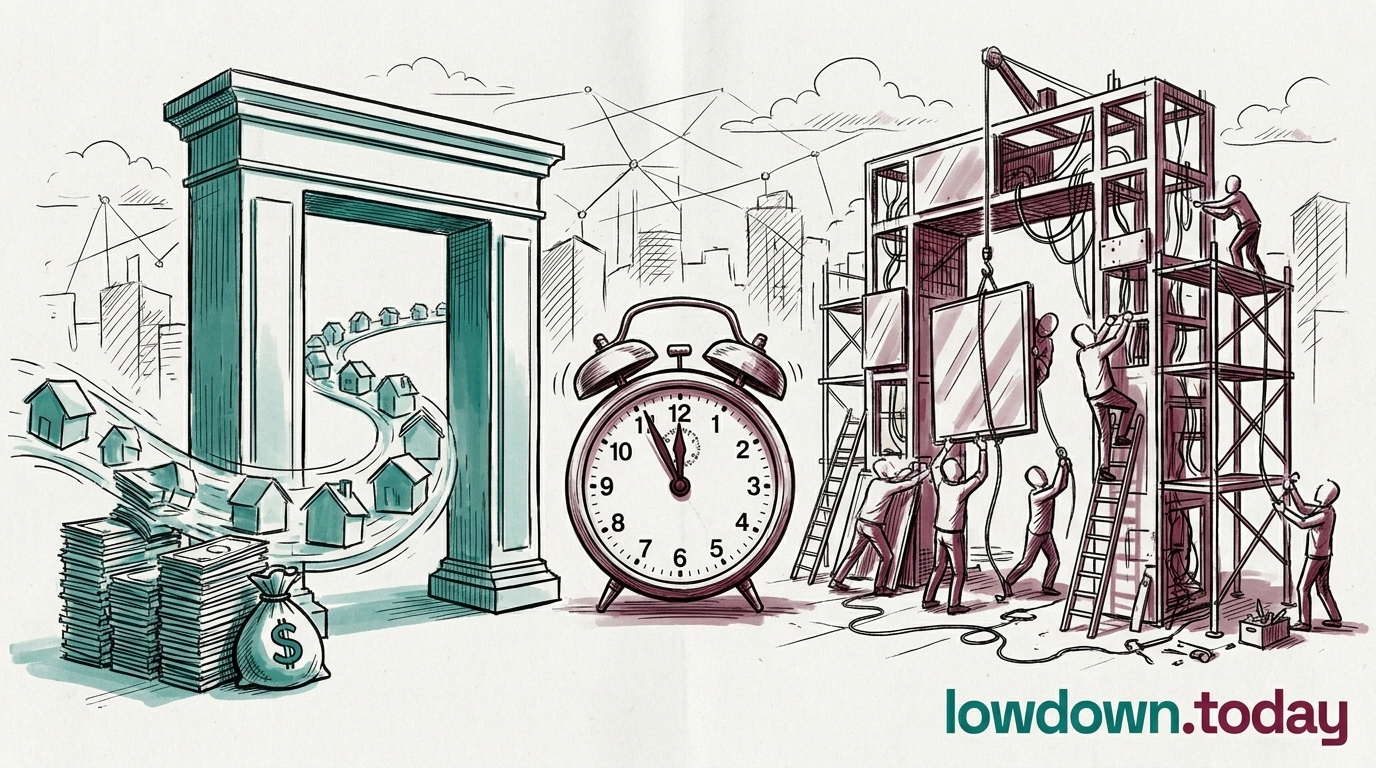
Japan's Sayonara tax (the international departure tax, levied on every exit) rises to ¥3,000 from July 2026, doubling its previous level. The JR Pass (the Japan Rail Pass sold to foreign visitors and long-stay residents) rises by ¥3,000 to ¥7,000 from October 2026.1
For a long-stay resident using the rail network and exiting through Narita or Haneda once a quarter, the cumulative additional cost runs into the low five-figure yen range before any single hotel night is taxed. A four-month stay with one rail-pass purchase and one departure now carries a structural cost increase that did not exist in the comparable 2025 itinerary. The departure tax is universal; the JR Pass increase falls hardest on the long-stay cohort that uses the pass as a shinkansen substitute rather than a tourist convenience.
The two changes compound with the prefectural lodging tax wave that activated on 1 April. Kyoto's premium-tier rate sets the political precedent; the new escalators add to a tax base that has already widened underneath them. A four-month central Japan stay now faces three escalators within two budget quarters: layered prefectural and municipal lodging taxes from April, departure tax doubling from July, and the rail pass increase from October. Of those three, the headline lodging tax carries the smallest per-night cost.
Whether Japan packages further rail and entry instruments alongside the existing schedule before the autumn travel season is the next test. The pattern across the year suggests the framework is treated by the Ministry of Land, Infrastructure, Transport and Tourism as a routine fiscal lever rather than a one-off recalibration, which would put the 2027 budget cycle into the same kind of planning conversation that 2026 just produced.


