Iran-Contra
1985-86 covert US arms sales to Iran, with profits diverted to Nicaragua's Contra rebels.
On 5 November 2026 the US State Department sanctioned three suppliers over an Iranian bid for shoulder-fired missiles, a replay of the 1985-86 channel in which Tehran obtained American TOW missiles and HAWK parts through intermediaries despite an embargo.
Last refreshed: 8 November 2026 · Appears in 1 active topic
What happens when a presidency runs Iran policy verbally without signed paper?
Timeline for Iran-Contra
Mentioned in: State Department hits Iran MANPADS bid
Iran Conflict 2026Mentioned in: Trump expects Iran reply; signs nothing
Iran Conflict 2026Mentioned in: White House signs no Iran instrument on day 71
Iran Conflict 2026Mentioned in: Pakistan carries US memo to Tehran
Iran Conflict 2026Background
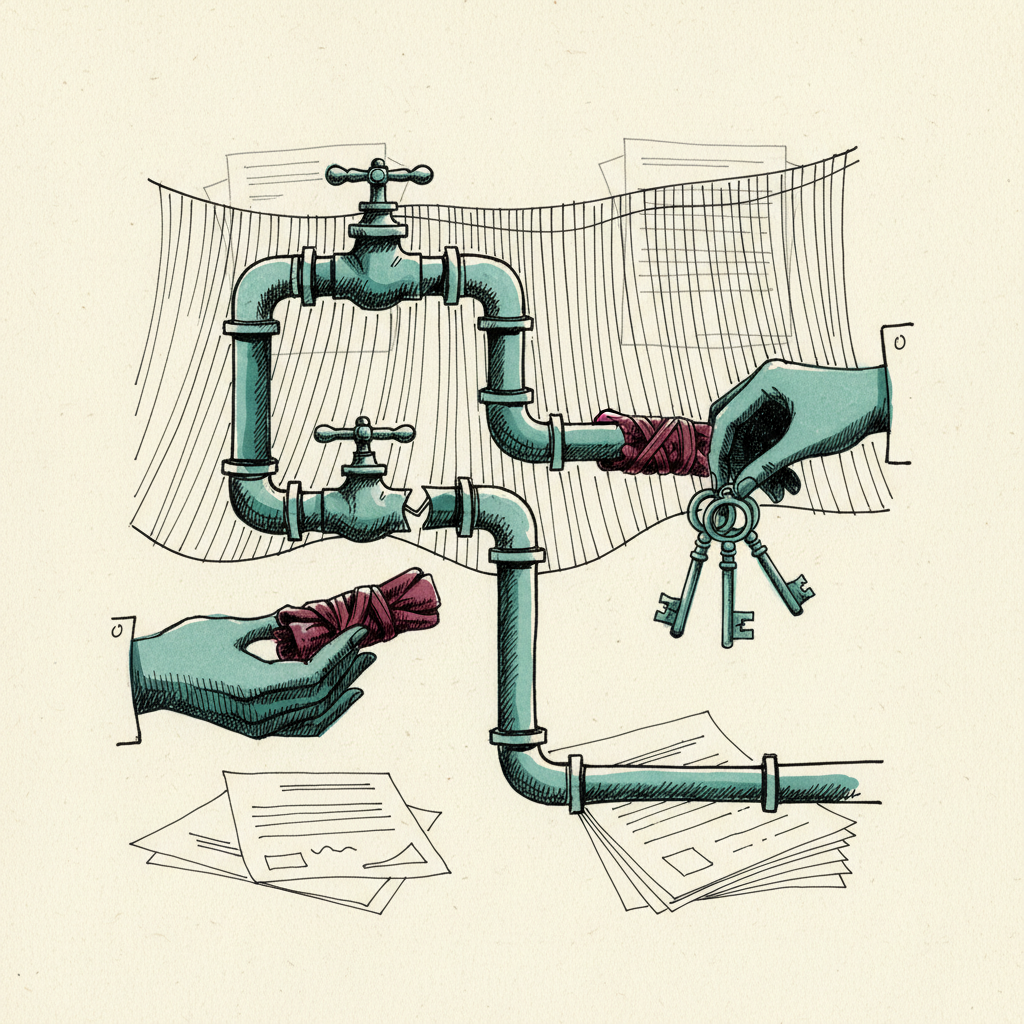
Iran-Contra was the secret sale of American weapons to Iran in 1985 and 1986, in breach of a US arms embargo, partly to win the release of American hostages held in Lebanon. National Security Council staff, with Lieutenant Colonel Oliver North running the operation day to day, diverted part of the proceeds to the Contra rebels fighting Nicaragua's government, although the Boland Amendment barred such aid.
A Lebanese magazine exposed the arms sales in November 1986, and the Tower Commission reported in February 1987. Independent Counsel Lawrence Walsh charged 14 people and convicted 11. Appeals courts overturned two of those convictions: North's in July 1990 and that of National Security Adviser John Poindexter in November 1991. On 24 December 1992 President George H. W. Bush pardoned six people, among them Caspar Weinberger, Reagan's former defence secretary.
The affair remains Washington's reference case for a White House whose statements outrun its signed authorisations. Lowdown drew that comparison on 8 May 2026, when The White House presidential-actions index listed no Iran-related instrument signed on 8 or 9 May, despite more than a dozen public Iran statements from Donald Trump. The Iranian procurement method it exposed, buying barred weapons through intermediaries, resurfaced in US sanctions in November 2026.
The middleman route outlived the scandal
Four decades after Iran-Contra, its supply mechanism turned up in a 2026 sanctions notice. On 5 November the State Department named Mohammed Ali Tolibov, Alisher Domullodzhanov and Nigeria's Vanguard Tactical Supply over an alleged attempt to buy hundreds of Chinese-made MANPADS for Iran through "false end-users". In 1985 and 1986 the buyer was the same, and so was the shopping list of anti-tank and air-defence hardware, routed through third parties because a direct purchase was barred.
The roles have reversed since. In the 1980s American officials were the secret sellers; in November 2026 Washington acted as enforcer, yet only Domullodzhanov was new to its sanctions list. The China-based companies State said had supplied the weapons were not sanctioned at all.
Reference
What weapons did Iran get in the Iran-Contra affair?
Why did Iran-Contra produce a constitutional crisis?
Who were Oliver North, Robert McFarlane and John Poindexter?
What was Iran-Contra and what did the Tower Commission find?
How does Trump's 2026 Iran posture compare to Iran-Contra?


Written with AI from Lowdown's published reporting. Not individually reviewed by an editor. Updated 8 November 2026. Editorial standards.