Tower Commission
1986 Reagan White House review board that investigated the Iran-Contra arms-for-hostages affair.
Last refreshed: 9 May 2026 · Appears in 1 active topic
How does the Tower Commission's 1987 verdict on Iran-Contra apply to the 2026 MOU talks?
Timeline for Tower Commission
Mentioned in: White House signs no Iran instrument on day 71
Iran Conflict 2026Background
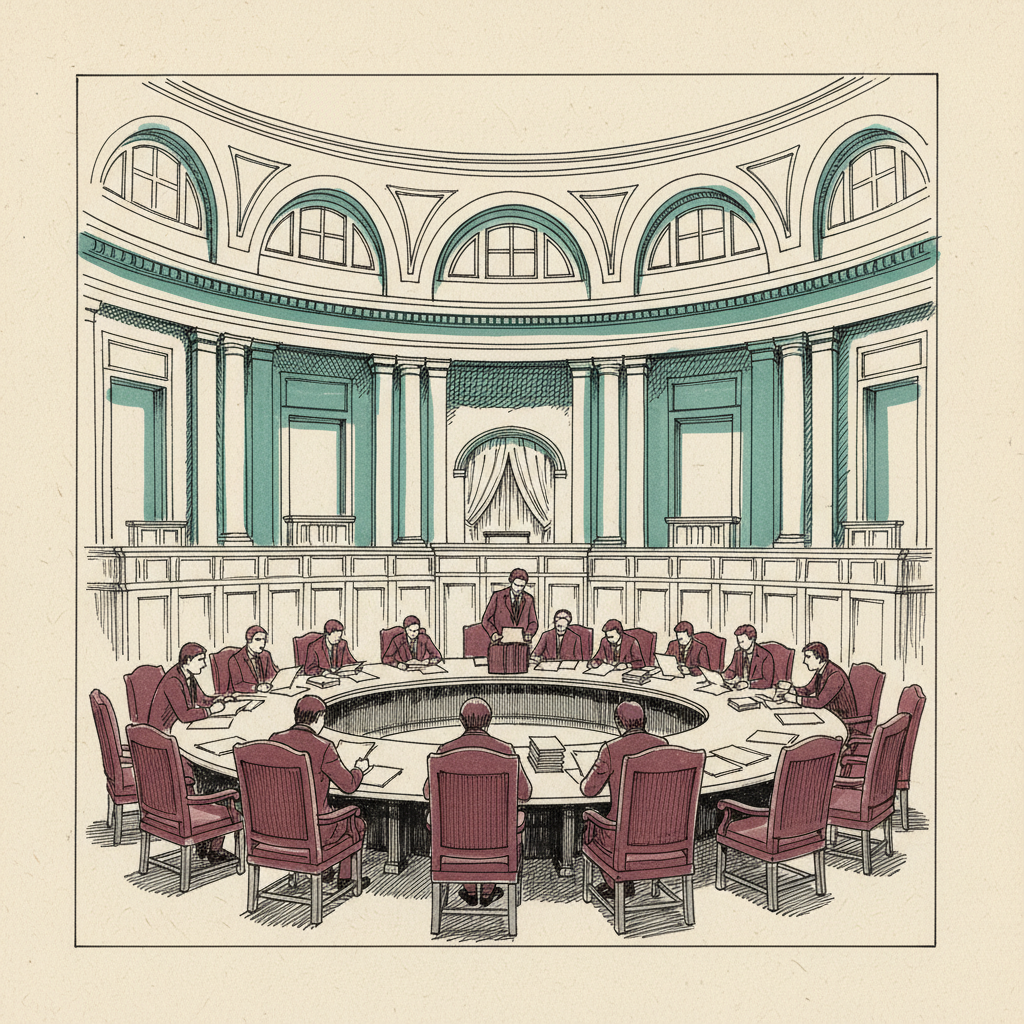
The Tower Commission was a three-member Presidential Special Review Board appointed by President Reagan in November 1986 to investigate the Iran-Contra affair. Chaired by former Senator John Tower (R-TX) and including former National Security Adviser Brent Scowcroft and former Secretary of State Edmund Muskie, it was the Reagan administration's own internal inquiry before congressional and special-prosecutor investigations began.
the Commission's February 1987 report was notable for its candour: it concluded that President Reagan had been ill-served by his National Security Council staff, specifically criticising NSC adviser John Poindexter and aide Oliver North for conducting a covert Foreign Policy without proper oversight. The report documented how arms were sold to Iran via Israel, with proceeds diverted to Nicaraguan Contra rebels in violation of the Boland Amendment.
In May 2026, Iran-Contra historical context was invoked by analysts examining whether the Trump administration's MoU negotiations with Iran constituted a comparable executive-branch overreach around arms and diplomatic dealings with Tehran conducted outside the standard congressional framework.
What did the Tower Commission find in the Iran-Contra investigation?
How is the Tower Commission relevant to the 2026 Iran MOU?
Who were the members of the Tower Commission?

