Holguín
Eastern Cuba province; nickel mining hub bearing the longest blackouts in the 2026 energy crisis
Holguin's Felton plant tripped again on 2 August 2026 when a 110kV Havana substation fault cascaded through the grid, UNE said, triggering Cuba's sixth total blackout of the year and repeating the province's 14 July role as the point of failure.
Last refreshed: 4 August 2026 · Appears in 1 active topic
Cuba's biggest hard-currency earner sits in its worst-affected province; how long does Moa keep running?
Timeline for Holguín
Felton fault splits Cuba's east again
Cuba DispatchMentioned in: UNE blames a 110kV fault, not a storm
Cuba DispatchMentioned in: Cuba blames blockade for 64% gas rise
Cuba DispatchMentioned in: Felton trips, and the grid falls again
Cuba DispatchBackground
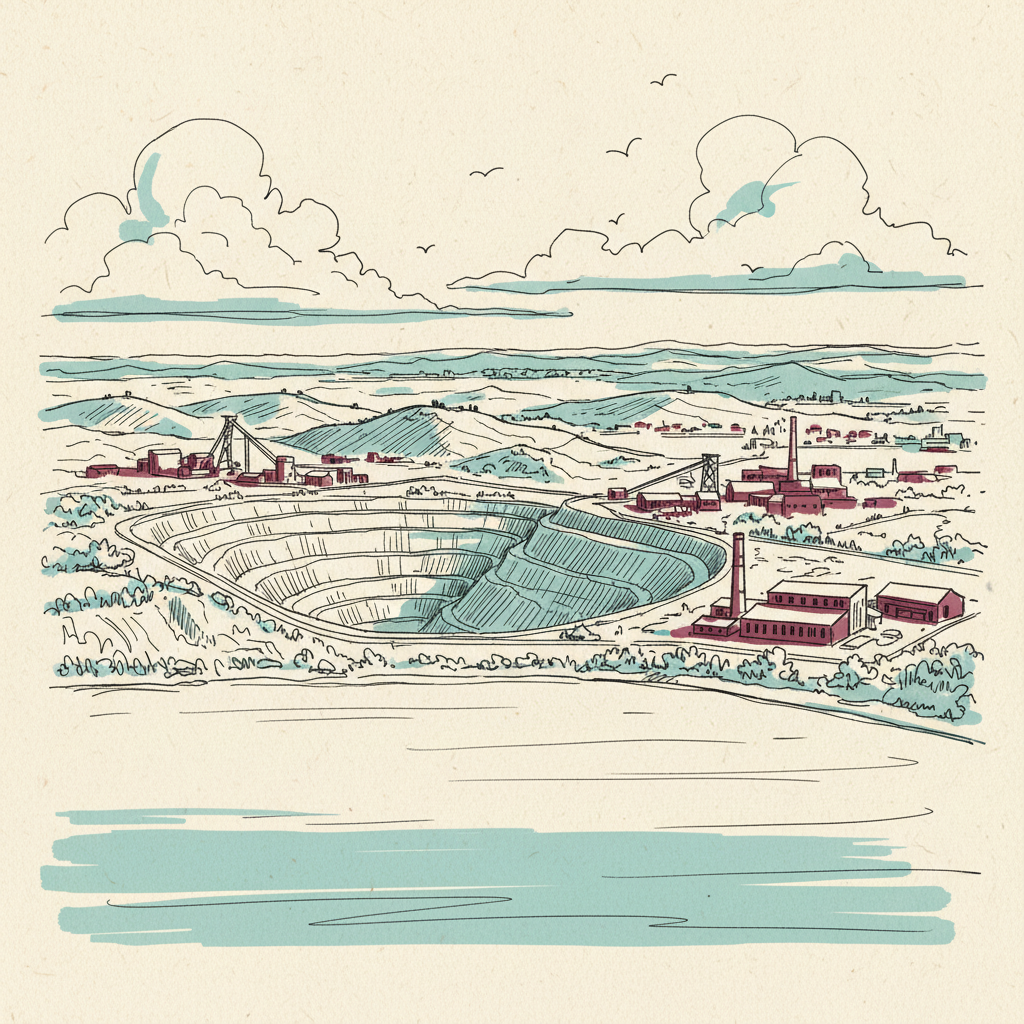
Holguin is a province in eastern Cuba, with a capital city of the same name and a population of roughly one million. Its economy centres on nickel and cobalt mining and processing, including the Moa Nickel-cobalt complex, one of the world's largest nickel operations, majority-owned by a joint venture between Cuba and Canada's Sherritt International; Moa's exports rank among the two or three largest sources of hard currency in the Cuban economy.
Eastern Cuba receives less government investment and political attention than Havana, and its infrastructure, including the electricity grid, is less maintained and more prone to extended outages under UNE's Havana-first load-shedding hierarchy. Sherritt's Moa operations depend on stable electricity, so the province's blackout problem directly affects mining productivity, and OFAC's extension of its [Cuba-EO] sanctions tag to Moa Nickel SA has layered a separate sanctions-exposure track onto that operational risk for the Canadian company.
Its Felton plant tripped again
Felton, the thermal plant north of Holguin city, tripped again on 2 August 2026, part of the chain UNE said began with a 110kV fault at a Havana substation and cascaded into Cuba's sixth total blackout of the year. It is the second time in three weeks that Holguin's own generating capacity has been named as the trigger point for a national collapse, after the same plant's Unit 1 tripped on 14 July and widened that day's deficit to 2,020 MW.
CNN and AP instead attributed the 2 August collapse to storm damage on a 220kV line; which account is correct, and whether Felton's repeated involvement reflects the plant's own condition or simply its position in the grid topology, is not established.
It absorbs the grid's deepest cuts
In April 2026 Holguin exemplified the geographic inequality in Cuba's power crisis: while Havana enjoyed four blackout-free days after the Camilo Cienfuegos refinery restart, Holguin and other eastern provinces stayed on 24-hour rotation, power available only a few hours a day, reflecting UNE's load-shedding hierarchy that protects the capital first.
Satellite analysis published by Bloomberg in May 2026 gave that inequality an Independent check: Cuban nighttime light fell by up to 50 per cent across the island, with Holguin and Santiago de Cuba the worst affected, a drop consistent with 60 to 65 per cent of normal evening-peak load going unserved. The province's own generating plant now doubles as a cause of national outages as well as a casualty of them.
Why does eastern Cuba have longer blackouts than Havana?
Where is Cuba's nickel mining located?
Why is Holguín so badly affected by Cuba's grid crisis?
What is the Moa nickel-cobalt complex?
Where is Holguín province in Cuba?
Was Moa Nickel SA sanctioned under EO 14404?
How much did Cuba's nighttime light drop in May 2026?
Did a power plant in Holguín cause one of Cuba's July 2026 grid collapses?

Written with AI from Lowdown's published reporting. Not individually reviewed by an editor. Updated 4 August 2026. Editorial standards.