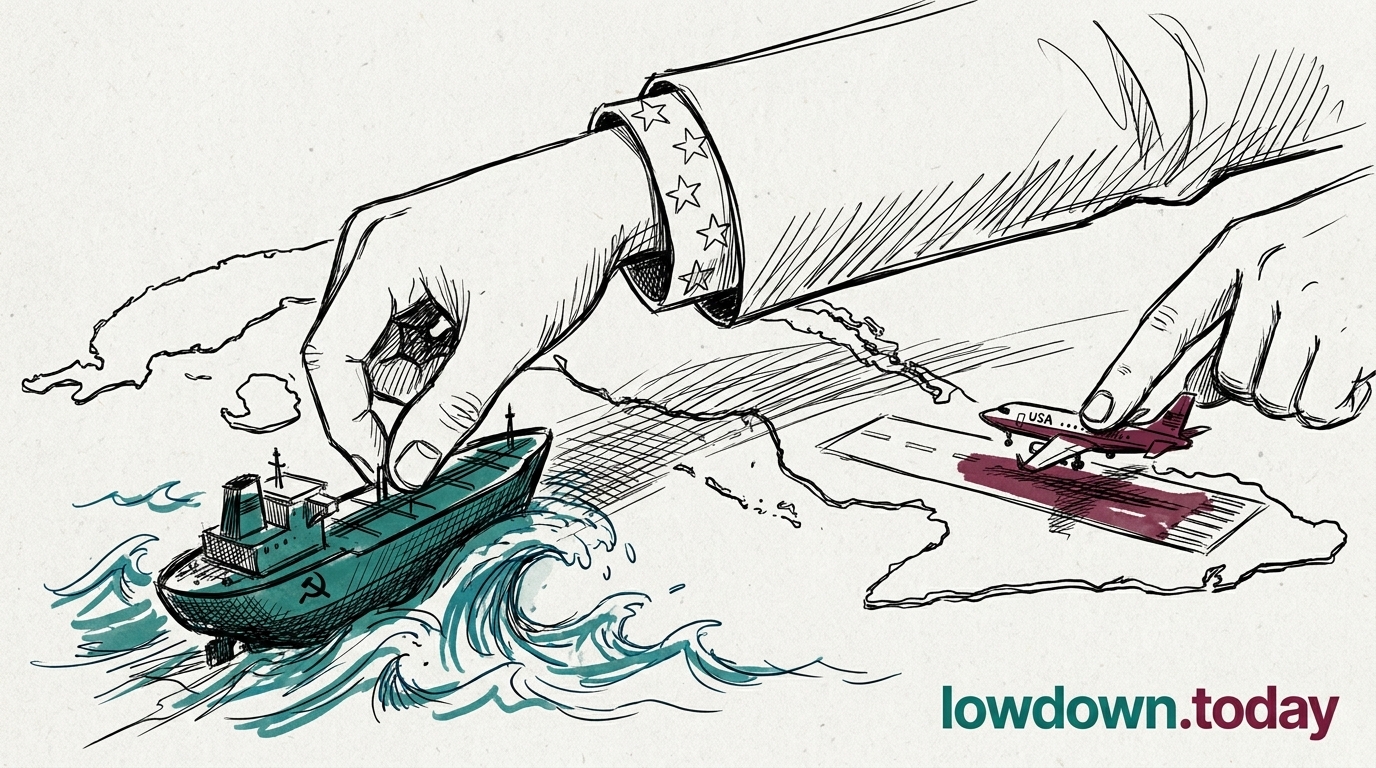
Havana recorded four consecutive days from Sunday 19 April through Thursday 23 April 2026 without deficit-driven blackouts, with peak grid availability touching 1,973 MW on the Thursday. UNE bulletins for the same window logged up to 24-hour daily outages in Holguín, Granma province and Santiago de Cuba. The eastern provinces absorbed 100 per cent of the deficit reduction the capital captured; nothing about generation changed for residents of Bayamo, Manzanillo or Santiago across the four days. The 26 April peak deficit forecast of 1,365-1,395 MW baseline 1,732 MW reached the capital's load profile and stopped.
Cuba's grid runs west-to-east from a small number of large 1970s and 1980s Soviet-design thermoelectric plants connected by a single 220 kV trunk. When residual fuel oil is rationed, the central dispatcher protects the highest-demand load profile, which is metropolitan Havana. Eastern provinces carry less industrial load and lower political risk under the current allocation logic, and they are sacrificed first. The 26 April pattern is consistent with that doctrine, made visible by independent reporting because UNE's national bulletin does not publish provincial breakdowns.
The symbolism layered on top. Granma province is where the 1959 revolution began; the Granma newspaper, the Communist Party daily named after the same boat, contracted to weekly print on 2 March. The state's information presence in those provinces thinned just as the blackouts widened. Juventud Rebelde, cut to weekly on the same date, served the same geography. Residents in the east now lose state press output and grid availability across the same fortnight.
Cuban authorities have historically managed scarcity by spreading it equally across provinces; the 19-23 April pattern reverses that doctrine. The centre-periphery allocation visible in the dispatch data carries political risk, particularly in Granma province where the government's founding myth is most directly anchored. Whether the Universal's 29 April arrival changes the dispatch logic, or merely extends Havana's protected window, will be visible in the next UNE bulletin.




