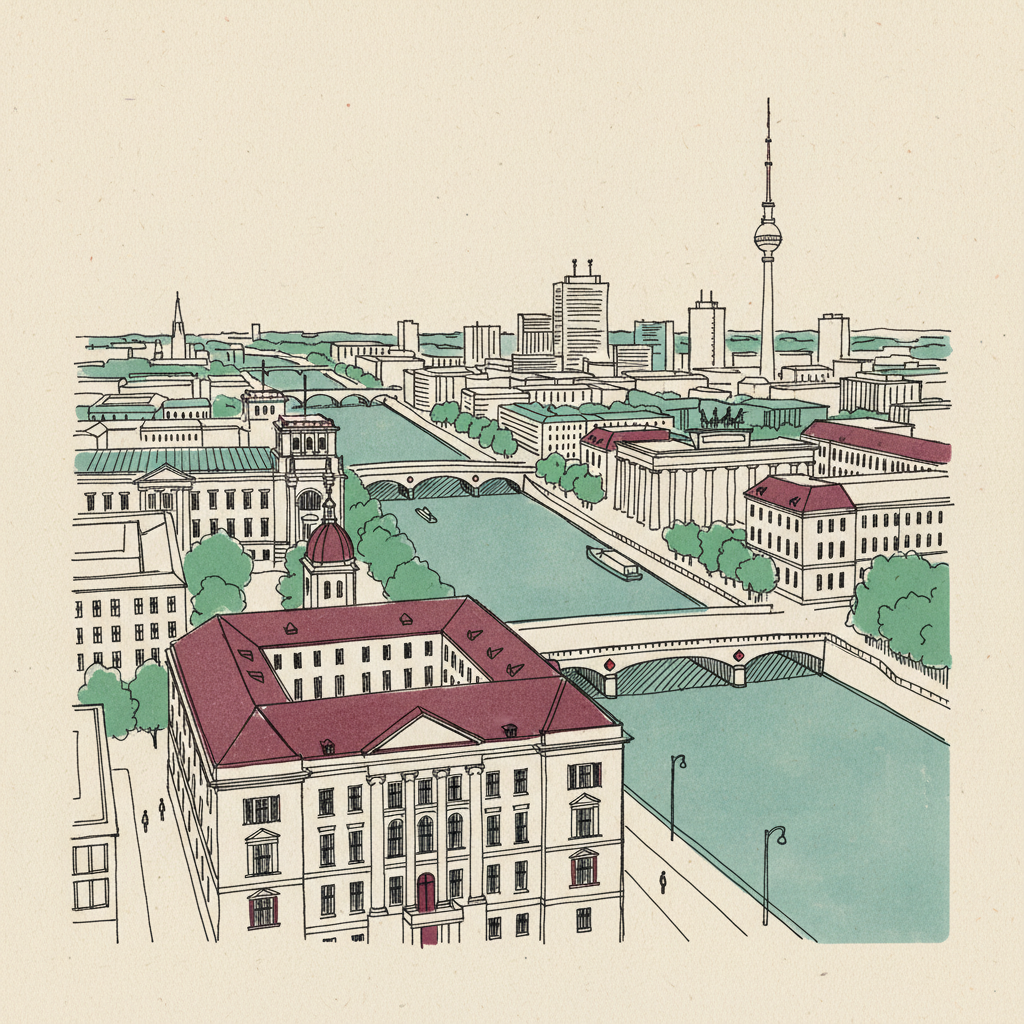
Berlin
Capital of Germany and EU's largest economy; political seat of Europe's energy and industrial transition.
On 21 July, Berlin was still bidding gas capacity into a legal gap: Bundesnetzagentur kept publishing StromVKG auction deadlines for two 4.5 GW tranches without the EU state-aid approval Brussels has yet to grant, months after the cabinet cleared the underlying law on 8 June.
Last refreshed: 3 August 2026 · Appears in 4 active topics
Is Germany's 12 GW gas-plant programme enough to solve its electricity supply gap?
Timeline for Berlin
Aleph Alpha signs itself into Cohere
European Tech SovereigntyMentioned in: Duolingo bars any Iranian ID, anywhere
Iran Conflict 2026Berlin sets the platform filing date
Nomads & CommunitiesMentioned in: Raytheon claims 2,000 miles under water
Autonomous Systems: Land & SeaMentioned in: Thales locks Exail in, closing in 2028
Autonomous Systems: Land & SeaBackground
In European coverage 'Berlin' generally means the federal government, not the city: decisions by the Bundestag and the Federal Ministry for Economic Affairs and Climate Action set the gas-capacity, storage-refill and carbon-pricing terms that shape the wider European energy market, and Berlin's Bundesrat has begun setting comparable terms in digital regulation, naming Germany's AI Act enforcement authorities on 10 July, ahead of every other EU state.
Berlin's rearmament spending under the ReArm Europe framework, funded through the constitutional debt-brake escape clause the Bundestag activated for defence, has already produced contracts worth more than €840 million across three domestic drone-makers. On the energy side, the PCK Schwedt refinery that supplies Berlin and north-eastern Germany carried a residual exposure to Russian-controlled infrastructure through Kazakh crude routed via the northern Druzhba pipeline, an exposure Russia closed unilaterally by halting that transit.
Berlin's 2021 Mietendeckel rent cap, struck down by the Federal Constitutional Court on the ground that housing law is reserved to the states, remains the precedent other European capitals cite when weighing their own rent controls.
Berlin bids capacity into a legal gap
Berlin's cabinet cleared the gas-plant subsidy law on 8 June, but by 21 July Bundesnetzagentur was still publishing StromVKG auction deadlines for two 4.5 GW tranches without the EU state-aid approval Brussels has yet to grant.
The 9 GW of planned capacity, split across the two tranches, now awaits Brussels sign-off before it can legally proceed, leaving Berlin bidding capacity into a gap its own hearing schedule has not resolved.
Berlin's gas refill model is broken
Why can German gas power plants not inject at current prices?
Reference
Why do analysts compare Spain's rent control plans to Berlin's Mietendeckel?
Where is Berlin located and why is it significant for European politics?
How has Berlin changed its energy policy since Russia's invasion of Ukraine?
What is Germany's role in NATO and EU policy on Ukraine?
What refinery supplies Berlin with oil?
What is Germany's plan to replace gas imports given the Hormuz crisis?
Does Germany still import Russian oil in 2026?
Who leads Germany's government in 2026?
Why did Germany lose Kazakh oil supply in May 2026?


