Why did Israel attack Iran on the Caspian, thousands of miles from the front line?
Timeline for Bandar Anzali
Mentioned in: Iran bills the world for Hormuz oil
Iran Conflict 2026Mentioned in: Ukraine kills an Iranian sailor at sea
Iran Conflict 2026Mentioned in: GL 134A lapses toward quiet extension
Russia-Ukraine War 2026Russia Supplies Iran with Upgraded Drones and Satellite Intelligence
Russia-Ukraine War 2026Mentioned in: Israel strikes Iran's Caspian naval base
Iran Conflict 2026Background
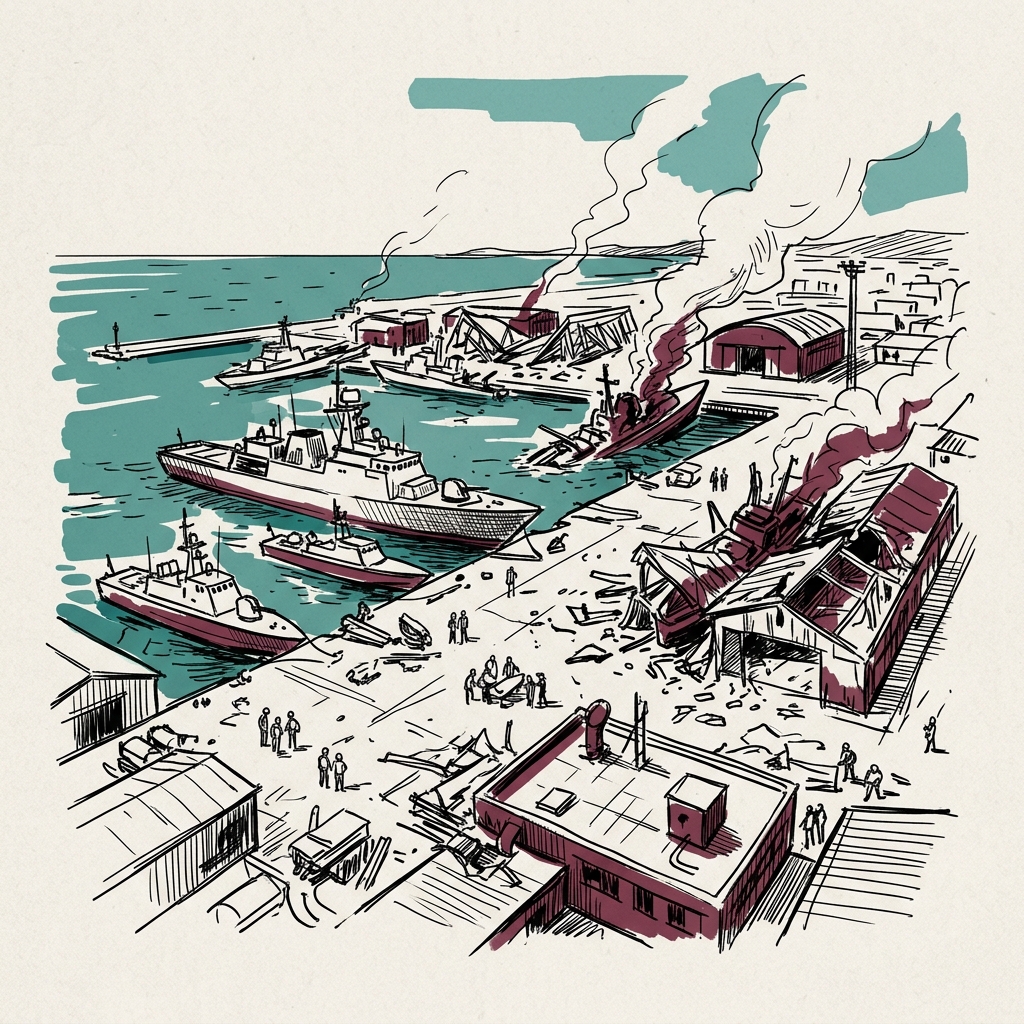
Bandar Anzali became a flashpoint in the Iran-Israel conflict when the Israeli Air Force struck its IRGC naval base on 18-19 March 2026, destroying one corvette, four missile boats, auxiliary vessels, a command centre, and a shipyard. It was the first IDF operation on Iran's Caspian coast and eliminated the base Israel had identified as a hub for shipping Russian-supplied Geran-2 drones to Iranian forces.
Located on Iran's northern coast, Bandar Anzali is the country's largest Caspian port and the main base for the IRGC Navy's northern fleet. The port had strategic significance beyond its military role: the Financial Times reported it was part of a Russia-Iran supply corridor moving drones, food, medicine, and satellite intelligence southward.
The strike had dual significance: it disrupted the Russia-Iran drone supply chain relevant to Ukraine, and it demonstrated Israel's willingness to strike deep into Iranian territory on the northern flank, well beyond The Gulf theatres that had dominated the early weeks of the conflict.
Why did Israel bomb Bandar Anzali?
What is the IRGC naval base at Bandar Anzali?
Was Russia sending drones to Iran via the Caspian Sea?
Who was the sailor killed in the Ukraine-Iran Caspian Sea strike?


Written with AI from Lowdown's published reporting. Not individually reviewed by an editor. Updated 28 July 2026. Editorial standards.