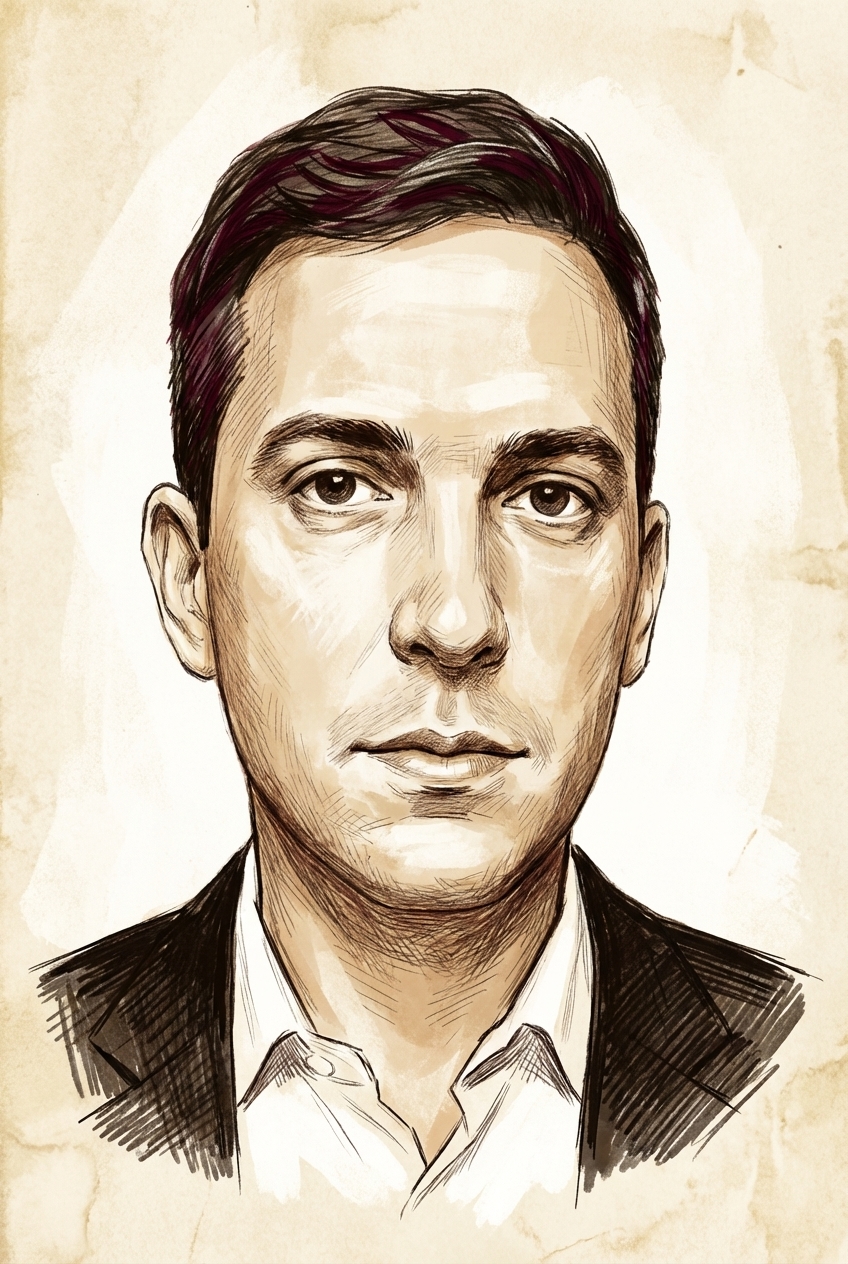
Ali Vaez
ICG Iran Project Director; leading independent analyst of Iranian nuclear strategy and US-Iran diplomacy.
On 7 April, International Crisis Group analyst Ali Vaez argued that US action had given Iran a "weapon of mass disruption" through control of Hormuz.
Last refreshed: 11 August 2026 · Appears in 1 active topic
Is Iran's Hormuz leverage really more potent than a nuclear weapon, as Vaez argues?
Timeline for Ali Vaez
Mentioned in: UAE says an Iranian missile hit its vessel
Iran Conflict 2026Mentioned in: Oman offers a coalition to police Hormuz
Iran Conflict 2026Mentioned in: Three accounts of one Doha room
Iran Conflict 2026Mentioned in: Iran hits US bases in Kuwait, Bahrain
Iran Conflict 2026Mentioned in: 11,000 trapped as exit corridor shut
Iran Conflict 2026Background
Ali Vaez is the International Crisis Group's Iran Project Director and a senior adviser to its president. His work addresses Iranian politics, security policy, nuclear questions and diplomacy involving Iran.
He is a commentator and analyst, not a participant in the military or diplomatic decisions he assesses. His significance comes from the interpretation he offers of Iranian strategy and the consequences of regional conflict.
Vaez's public analysis is useful where it clarifies the incentives and constraints facing decision-makers, but it should remain distinguished from verified events. His profile is therefore built around attributed assessments, including his account of how control of Hormuz changed Iran's strategic position.
Vaez describes Hormuz control
Ali Vaez argued on 7 April that efforts to prevent an Iranian weapon of mass destruction had handed Tehran a "weapon of mass disruption" through control of Hormuz. His assessment treated the strait's customs and transit authority as a strategic consequence of the conflict.
That framing remains relevant to negotiations over who polices and controls the passage. On 28 July, competing proposals for a security Coalition still faced the same divide between Iran's demand for control and toll rights and Washington's demand for free navigation.
Reference
What is the International Crisis Group's view on Iran's nuclear programme?
Who is Ali Vaez and why is he quoted on Iran?
Why did Ali Vaez say Hormuz is more powerful than a nuclear weapon?
Did analysts think the Iranian government would collapse in 2026?
Who is Ali Vaez?
What does Ali Vaez analyse?
Where does Ali Vaez work?


