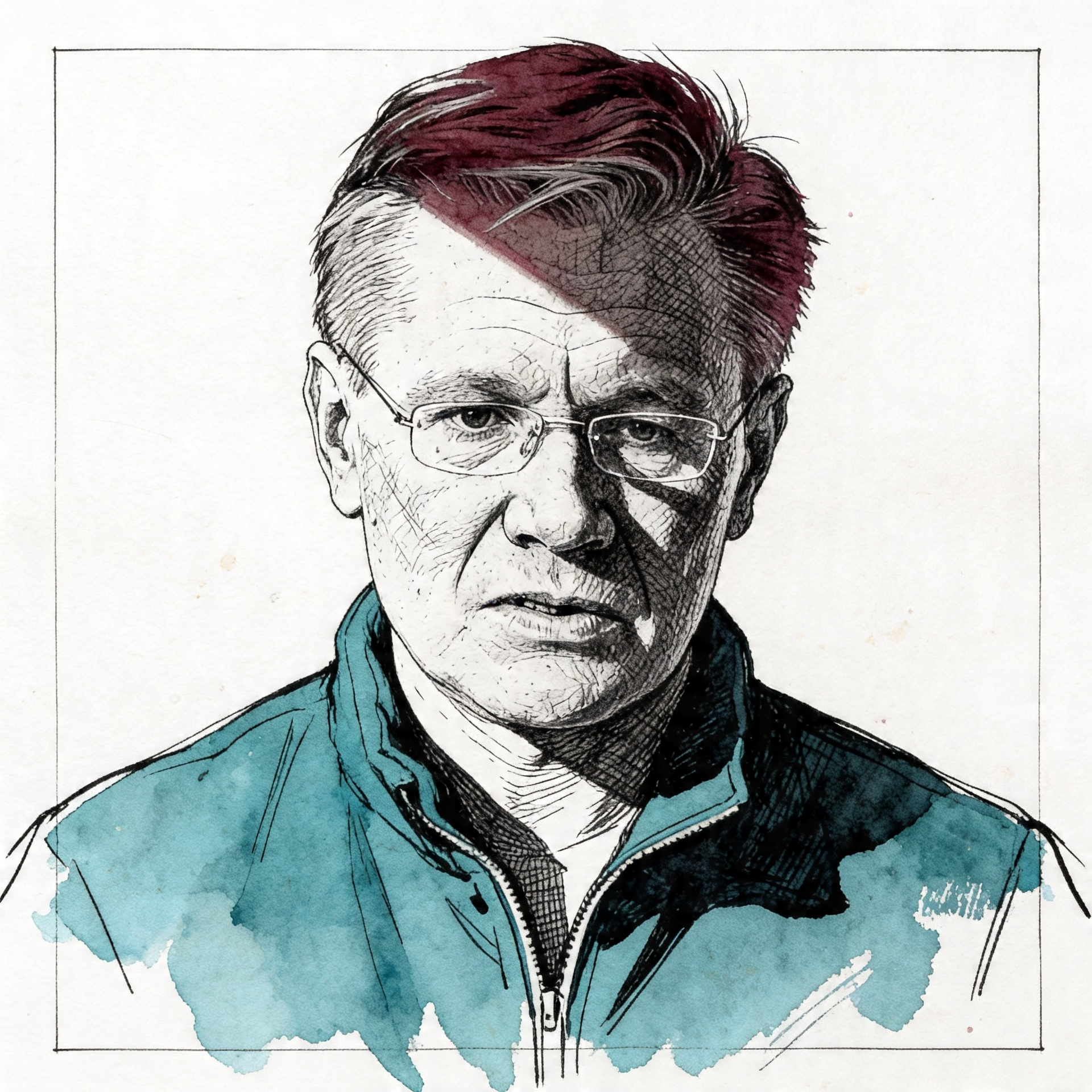
Is Rosatom's CEO using ZNPP safety claims as a diplomatic weapon or a genuine nuclear warning?
Timeline for Alexei Likhachev
Drone hits ZNPP reactor-6 turbine hall
Russia-Ukraine War 2026Accused IAEA of effectively ignoring Ukrainian attacks on ZNPP on 17 May
Russia-Ukraine War 2026: Rosatom Turns on IAEA as ZNPP Hits Day 60Mentioned in: Putin blames Washington for killing uranium deal
Iran Conflict 2026Confirmed via TASS that Rosatom evacuation from Bushehr is complete with 24 volunteers remaining and disclosed 72 tonnes fresh fuel and 210 tonnes spent fuel on site
Iran Conflict 2026: Rosatom evacuation done; 24 volunteers remainMentioned in: State publishes Lebanon text; zero for Iran
Iran Conflict 2026Background
Likhachev made his sharpest public intervention on ZNPP safety on 17 May 2026, accusing the IAEA Secretariat of "effectively ignoring daily Ukrainian attacks" on the plant — the most direct Rosatom assault on the watchdog's credibility since the full-scale invasion began. That confrontation deepened further when a drone struck the turbine building adjacent to reactor 6 at ZNPP on 30-31 May, the first confirmed strike on a reactor-adjacent structure. Likhachev stated the fibre-optic guidance system proved the strike was deliberate and brought the region "one step closer to an incident"; the IAEA confirmed debris and a damaged hatch, with radiation levels remaining normal. Ukraine denied responsibility.
Likhachev personally tabled three concrete options for Iran's enriched uranium in early 2026: transfer the material to Russia for dilution and return, deliver Iran an equivalent quantity of natural uranium, or pay Iran the financial value of the stockpile. The offer remained standing as of 13 April 2026 despite Iranian Supreme Leader Mojtaba Khamenei stating on 14 April that nuclear weapons are "a matter of life and not a matter for negotiation". He also confirmed on 20 April that Rosatom's main evacuation from Bushehr was complete, with 24 volunteers remaining at the plant.
Alexei Likhachev is the Director-General of Rosatom, Russia's state nuclear corporation, a POST he has held since 2016. He previously served as Deputy Minister of Energy and held positions in the Ministry of Economic Development and Trade. Under his tenure, Rosatom has expanded its global footprint, winning contracts for nuclear power plants in Egypt, Turkey, Bangladesh, Hungary, and Finland, while maintaining its longstanding role at Bushehr Nuclear Power Plant in Iran.
Likhachev's actions in 2026 span two simultaneous crises: his uranium-transfer offer is the most concrete Russian diplomatic move in the Iran enrichment track since the 2015 JCPOA arrangements, while his IAEA attack and his statements on the reactor-6 strike represent the sharpest public confrontations between Rosatom and the UN's nuclear watchdog during the Ukraine war. Russia consistently deploys Likhachev as the technical authority on nuclear risk to reinforce its diplomatic positions in both theatres.
What is Russia offering to do with Iran's enriched uranium?
Who is Alexei Likhachev and what is his role in the Iran nuclear talks?
Why hasn't Iran accepted Russia's offer to take its enriched uranium?
Who is Alexei Likhachev and what is his role in 2026?
Why did Likhachev attack the IAEA in May 2026?
What did Likhachev say about Rosatom's evacuation from Bushehr?
What did Rosatom's CEO say about the drone strike on the Zaporizhzhia nuclear plant?
Who runs Rosatom and how does it operate in conflict zones?
What deal did Russia offer Iran on its enriched uranium stockpile?
Why did Rosatom attack the IAEA in May 2026?


