Skip to content
Welcome, thoughtbot's Giant Robots listeners!Start here
US Midterms 2026
11NOV

DOJ Sues 29 States for Voter Data

3 min read
18:10UTC

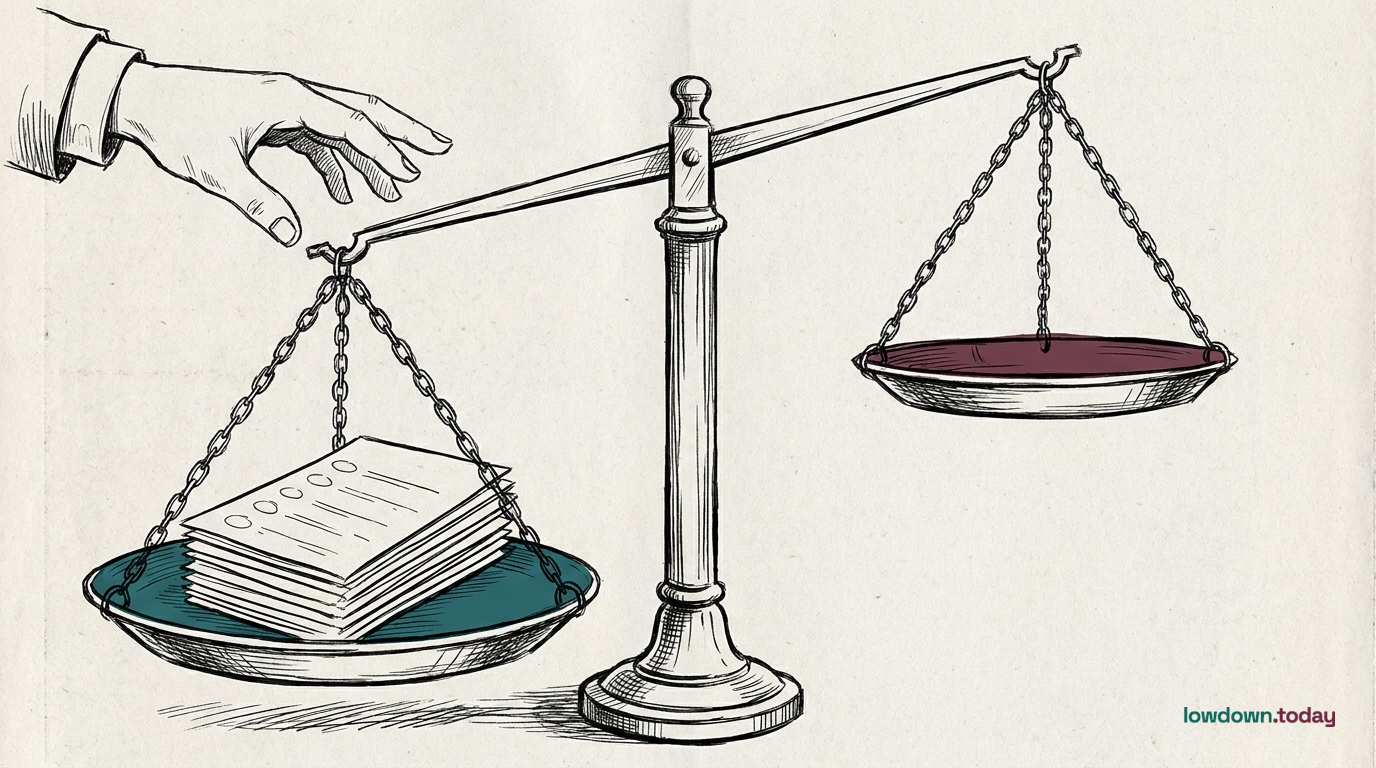
The Department of Justice has asked 48 states for complete voter registration lists and sued the 29 that refused, building the database infrastructure beneath the blocked executive order.

PoliticsDeveloping
Key takeaway

The DOJ is building a federal voter database through litigation even as courts block the EO it supports.

The Department of Justice has now asked 48 states and Washington DC for complete voter registration lists⁠1. Twenty-nine states and DC refused and were subsequently sued. In court, a DOJ official admitted the department plans to share the data with the Department of Homeland Security to run through the SAVE (Systematic Alien Verification for Entitlements) system to screen for non-citizens⁠2.

Three courts (California, Michigan, Oregon) have explicitly rejected DOJ's claims to unredacted voter files. Seventeen mostly Republican-led states complied. The DOJ invokes the Civil Rights Act of 1960 to assert authority over election records, a legal theory that, if upheld, would grant broad federal access to state election infrastructure. The statute was designed to protect minority voting rights; the DOJ is repurposing it to demand voter data that civil rights organisations argue would be used to suppress minority registration.

This is the infrastructure beneath the headline executive order. The EO directs DHS and SSA to compile citizenship lists for gating USPS ballot delivery. The DOJ voter data campaign builds the database that infrastructure requires. Though courts have blocked seven EO provisions, the DOJ's affirmative litigation to obtain voter data continues on a separate legal track, constructing the very database the blocked provisions were designed to populate.

Deep Analysis

In plain English

Presidential economic approval measures how voters rate the president's handling of the economy , not whether they like the president personally, but specifically whether they trust his economic management. When this number falls below 35%, historical data suggests the president's party is almost always punished at the next midterm election. The tariff finding is particularly striking: 56% of Republican voters say they believe tariffs are raising prices. This is notable because Republicans are the president's own political base. When a majority of the governing party's voters believe the president's signature economic policy is making things more expensive, it creates pressure from within the coalition as well as from the opposition. Lower-income voters , those most exposed to price increases in food, fuel, and everyday goods , have shifted 7 percentage points toward Democrats since January 2025. This is the demographic most directly affected by tariff-driven price increases at the grocery store and the petrol station.

Deep Analysis
Root Causes

Trump's economic approval collapse has two structural drivers operating simultaneously.

First, tariff pass-through speed: agricultural and fuel tariffs translate to consumer prices faster than industrial tariffs because supply chains are shorter. A farm household buying diesel and fertiliser sees the cost increase within weeks of a tariff taking effect; a factory worker buying imported machinery parts sees the effect over months. The 7-point lower-income voter shift reflects the demographic most exposed to fast-moving commodity price transmission.

Second, intra-coalition information saturation: the 56% of Republican voters who believe tariffs raise prices is not partisan signal but a measurement of how pervasively the tariff-price connection has penetrated conservative media. When Fox News and Newsmax audiences reach majority-level belief that the president's signature economic policy is inflationary, the approval floor becomes structurally lower than in previous trade disputes, where the information environment was more segmented.

What could happen next?
  • Consequence

    If economic approval remains at 31-35% through autumn 2026, Gallup's historical base rate implies Republican House losses in the 15-35 seat range , consistent with the Brookings 12-20 projection but with the upper tail extending further.

  • Risk

    The tariff price transmission lag means economic approval could deteriorate further by August 2026 as the Liberation Day round hits consumer prices, potentially moving the figure below 30% before the campaign's final stretch.

First Reported In

Update #2 · First votes exceed every forecast

Votebeat· 12 Apr 2026
Read original →
Different Perspectives
University of Florida Election Lab
The lab, run by Michael McDonald, estimates about 124.3 million ballots, a raw midterm record, and turnout of about 49.4% of eligible voters, second to 2018's 50.05%. The raw record reflects population growth more than a record rate, so the late count is working through a near-2018 electorate.
Thune's critics on the right, including Senator Ron Johnson
Ron Johnson backed the failed 31-15 motion to delay Thune's re-election, after activists such as Mike Cernovich blamed the leader for the defeat. Their complaint is that Republicans could have passed the SAVE Act; in January it meets a Democratic Senate instead.
Senator John Thune
Senator John Thune
Thune was re-elected Senate Republican leader by acclamation on 10 November after a motion to delay failed 31-15. He kept the filibuster that stopped the SAVE Act, the choice his critics on the right blame for the defeat.
House Republicans under Jim Jordan
House Republicans elected Jordan minority leader by 106 votes to 73 over Steve Scalise on 10 November, after Speaker Mike Johnson declined to run. They replaced the leadership that lost the majority, while Senate Republicans kept theirs.
Donald Trump
Donald Trump
Trump asked on Truth Social on 9 November whether anybody believed the election "was honest" and blamed the machines, having told The New York Times on polling night he would accept the results. No Republican campaign had sued over a 2026 result by 10 November, so the claim has no case behind it.
Judge David O. Carter
Carter closed the Justice Department's suit over about 20,000 California mail ballots on 10 November after the department withdrew it, writing that the suit "attempted to disrupt an ongoing election". The closure leaves the department with no court order touching a 2026 California ballot.

Written with AI from Lowdown's published reporting. Not individually reviewed by an editor. Editorial standards.
