California
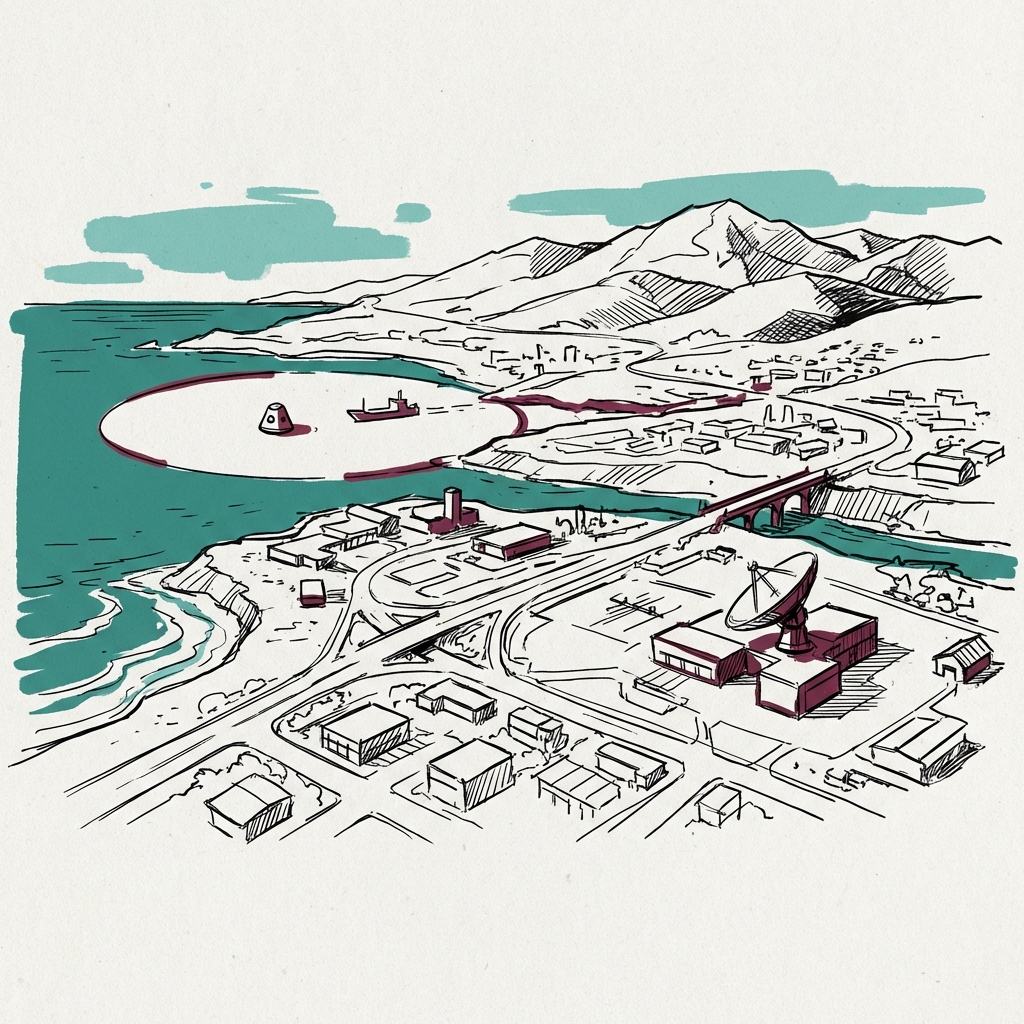
Most populous US state; Artemis splashdown site, lead EO litigant, and high water-stress jurisdiction weighing data-centre expansion.
California's challenge helped keep the $110bn Paramount Skydance-Warner Bros. Discovery merger in court on 4 August, when a federal judge set a 12-day trial for March 2027.
Last refreshed: 1 October 2026 · Appears in 3 active topics
Does California's water stress make it unviable for the next generation of hyperscale data centres?
Timeline for California
Refused to withhold the listed voters' ballots
US Midterms 2026: DOJ seeks to freeze 20,000 mail ballotsMentioned in: Democrats sue Trump over his jail repost
US Midterms 2026Mentioned in: Greece unveils DAEDALUS on Nvidia chips
European Tech SovereigntyMentioned in: Argentine court keeps Perfil's AI suit
Media's AI PivotMentioned in: Watchdog sues DHS over Mullin's 250,000
US Midterms 2026Background
California is a US state whose government can influence national policy through legislation, enforcement and litigation. Its institutions are especially consequential when federal law leaves a gap or federal action faces a court challenge. California's 2026 workplace-AI bills and its participation in voter-file litigation show those powers being used in separate policy fields.
The state matters beyond its borders because employers, media companies and federal agencies must account for rules and cases brought in California. Its legislature can test employment standards before a federal settlement emerges, while its attorney general can join or lead multi-state challenges to federal and corporate action. That combination makes California a recurring venue for national disputes, not merely a location where they happen.
California blocks the Paramount merger
On 13 July, California joined eleven other states in suing to stop Paramount Skydance's $110bn acquisition of Warner Bros. Discovery. California Attorney General Rob Bonta argued that the deal would raise prices and reduce content, despite federal clearance in June.
On 20 July, a federal judge issued a temporary restraining order against closing after finding sufficient evidence on theatrical market share to presume an antitrust violation. The case then moved towards a single 12-day trial scheduled for 2 to 19 March 2027, making California's state action the barrier that federal clearance did not remove.
California sets workplace AI rules
On 20 May, the California Senate passed SB 951 by 28 votes to nine. The bill would require 90 days' notice when AI-driven cuts affect at least a quarter of an employer's workforce, addressing a site-based reporting gap exposed by hybrid work.
On 17 June, the Assembly passed AB 2656 by 72 votes to two and the Senate Labour Committee cleared it without opposition. The measure would require 45 days' notice before public employers deploy AI in unionised roles. By 1 July, California had advanced three workplace-AI bills while the European Union delayed its employment deadline to December 2027.
California resists voter-file demands
On 10 April, California's attorney general joined a Coalition challenging President Trump's 31 March voting executive order. Three federal courts blocked seven of its eight provisions, including the proof-of-citizenship registration rule and funding threats over mail-ballot grace periods.
On 23 July, the Justice Department lost its seventeenth voter-file lawsuit without a single court victory after a federal court dismissed the Kentucky case. Thirteen suits remained active, while the department's repeated failure to name a statute authorising its demands left California's participation in the wider resistance unresolved rather than superseded.
Is California's redistricting map still being challenged in court?
Why is California not a top location for new data centres in 2026?
Is California suing to stop the Paramount-Warner Bros. Discovery merger?
Is California setting rules for AI that affect data centre investment?
What legal challenges has California's attorney general brought against the Trump administration?
What is California's role in the Artemis II splashdown recovery?
What does NASA JPL do during crewed Moon missions?
Written with AI from Lowdown's published reporting. Not individually reviewed by an editor. Updated 1 October 2026. Editorial standards.