Skip to content
Welcome, thoughtbot's Giant Robots listeners!Start here
US Midterms 2026
11NOV

9th Circuit hears first DOJ voter-data appeal

4 min read
18:10UTC

Oral argument in United States v. Oregon was held at the 9th Circuit on Tuesday 19 May, the first appellate test of the Massachusetts portable-dismissal reasoning that has now produced six DOJ losses.

PoliticsDeveloping
Key takeaway

A ruling for Oregon collapses 23 active DOJ voter-data cases; a reversal lets the Department refile across the cycle.

The 9th Circuit heard oral argument in United States v. Oregon on Tuesday 19 May, the date the panel set in March. It is the first appellate test of the portable reasoning the District of Massachusetts produced on 9 April: the Department of Justice complaint did not specify which statute authorised its voter-data demand. Six district-court dismissals plus one settlement now run against 23 active cases, with Arizona added to the dismissed column on 28 April.

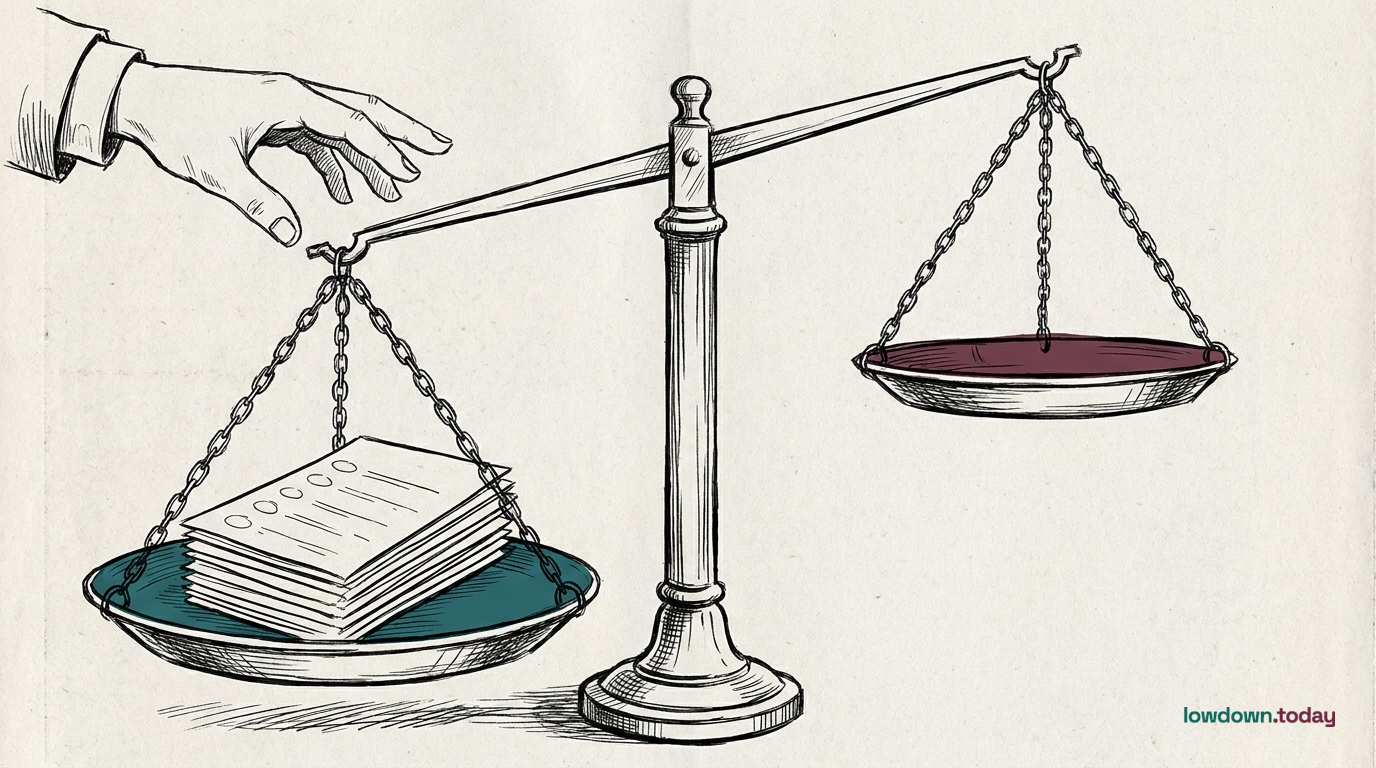
The DOJ has appealed the California, Oregon and Michigan dismissals together. A panel ruling for Oregon converts the Massachusetts reasoning into binding 9th Circuit precedent across nine western states and two territories, and into persuasive authority for the remaining active cases nationwide. That collapses the programme as a 2026-cycle legal tool. A reversal lets the DOJ refile with corrected complaints citing the specific statutory hook, and the dismissal wave stalls.

The panel composition has not been published. A unanimous panel carries fuller persuasive weight in sister circuits than a 2-1 split; the Justice Department's litigation strategy depends on which result obtains. the Court does not typically rule from the bench on same-day argument, so the decision is weeks to months out, on a calendar that overlaps the 8 June Florida qualifying deadline and the end-of-June Watson decision window without touching either.

The counter-view, from the Brennan Center brief filed in support of Oregon, is that the dismissals' procedural ground is rescuable on amendment; the DOJ can in principle name a statute and refile. Cato Institute counsel argues the deeper problem is that the underlying statutes do not authorise the demand at all, which would make the dismissals durable on the merits rather than the pleadings. Today's panel will not decide between those theories. It will decide whether the Massachusetts logic survives appellate review.

Deep Analysis

In plain English

The US federal government, under the current administration, sent legal demands to around 30 states asking for detailed voter registration data. Some states complied. Others refused and went to court. Several courts have now thrown out the government's cases, using the same reasoning: the government's legal paperwork did not specify which law gave it the right to demand the data. That reasoning has spread from one court to another like a template. The 9th Circuit, a federal appeals court covering nine western states, heard arguments on 19 May about whether that template reasoning is correct. If the appeals court agrees it is correct, the ruling becomes binding law for all the western states and makes it much harder for the government to continue demanding voter data in those states.

Deep Analysis
Root Causes

The DOJ voter-data litigation's structural vulnerability has two roots.

The DOJ drafted its 30 complaints without naming the specific statutory authority for the voter-data demand. Federal civil litigation requires pleaders to identify the legal basis for relief. The Massachusetts court's portable reasoning exploited this omission: without a named statute, the Court cannot determine whether the demand was lawfully authorised. Using a generic pleading form across 30 complaints simultaneously multiplied the defect across every case.

The Help America Vote Act (2002) and the National Voter Registration Act (1993) both address voter-roll maintenance, but neither expressly authorises a federal demand for individual voter-level data from state registrars.

The DOJ filed the programme on an aggressive reading of implied authority, and the Massachusetts court declined to accept that implied authority without an express statutory anchor. The DOJ appears to have filed the programme on an aggressive reading of implied authority, and the Massachusetts court declined to accept that implied authority without an express statutory anchor.

What could happen next?
  • Consequence

    A ruling for Oregon converts district-court dismissal reasoning into binding 9th Circuit precedent, collapsing the 23 active cases covering nine western states and two territories as a practical matter before the 2026 election cycle.

    Short term · 0.72
  • Consequence

    A reversal allows the DOJ to refile corrected complaints naming specific statutory authority. The 23 active cases continue through a second litigation round on a timeline extending well past November 2026.

    Short term · 0.68
  • Risk

    A 2-1 panel split carries less persuasive weight in sister circuits than a unanimous ruling, potentially creating a circuit split that defers final resolution to SCOTUS on a 2028 timeline.

    Medium term · 0.55
First Reported In

Update #6 · A primary nullified mid-vote

University of Wisconsin Law School State Democracy Research Initiative· 19 May 2026
Read original →
Different Perspectives
University of Florida Election Lab
The lab, run by Michael McDonald, estimates about 124.3 million ballots, a raw midterm record, and turnout of about 49.4% of eligible voters, second to 2018's 50.05%. The raw record reflects population growth more than a record rate, so the late count is working through a near-2018 electorate.
Thune's critics on the right, including Senator Ron Johnson
Ron Johnson backed the failed 31-15 motion to delay Thune's re-election, after activists such as Mike Cernovich blamed the leader for the defeat. Their complaint is that Republicans could have passed the SAVE Act; in January it meets a Democratic Senate instead.
Senator John Thune
Senator John Thune
Thune was re-elected Senate Republican leader by acclamation on 10 November after a motion to delay failed 31-15. He kept the filibuster that stopped the SAVE Act, the choice his critics on the right blame for the defeat.
House Republicans under Jim Jordan
House Republicans elected Jordan minority leader by 106 votes to 73 over Steve Scalise on 10 November, after Speaker Mike Johnson declined to run. They replaced the leadership that lost the majority, while Senate Republicans kept theirs.
Donald Trump
Donald Trump
Trump asked on Truth Social on 9 November whether anybody believed the election "was honest" and blamed the machines, having told The New York Times on polling night he would accept the results. No Republican campaign had sued over a 2026 result by 10 November, so the claim has no case behind it.
Judge David O. Carter
Carter closed the Justice Department's suit over about 20,000 California mail ballots on 10 November after the department withdrew it, writing that the suit "attempted to disrupt an ongoing election". The closure leaves the department with no court order touching a 2026 California ballot.

Written with AI from Lowdown's published reporting. Not individually reviewed by an editor. Editorial standards.
