Skip to content
You can now search across every topic, entity and event.What's new
Russia-Ukraine War 2026
2JUL

OFAC sanctions Hengli, China's number two teapot

4 min read
10:54UTC

OFAC designated Hengli Petrochemical of Dalian on 24 April, the first Chinese refinery sanctioned in the 2026 war, and Treasury Secretary Scott Bessent attached nuclear-programme language to a shadow-fleet action for the first time.

ConflictDeveloping
Key takeaway

First Chinese refinery sanctioned in the war; first nuclear-programme language on a shadow-fleet action.

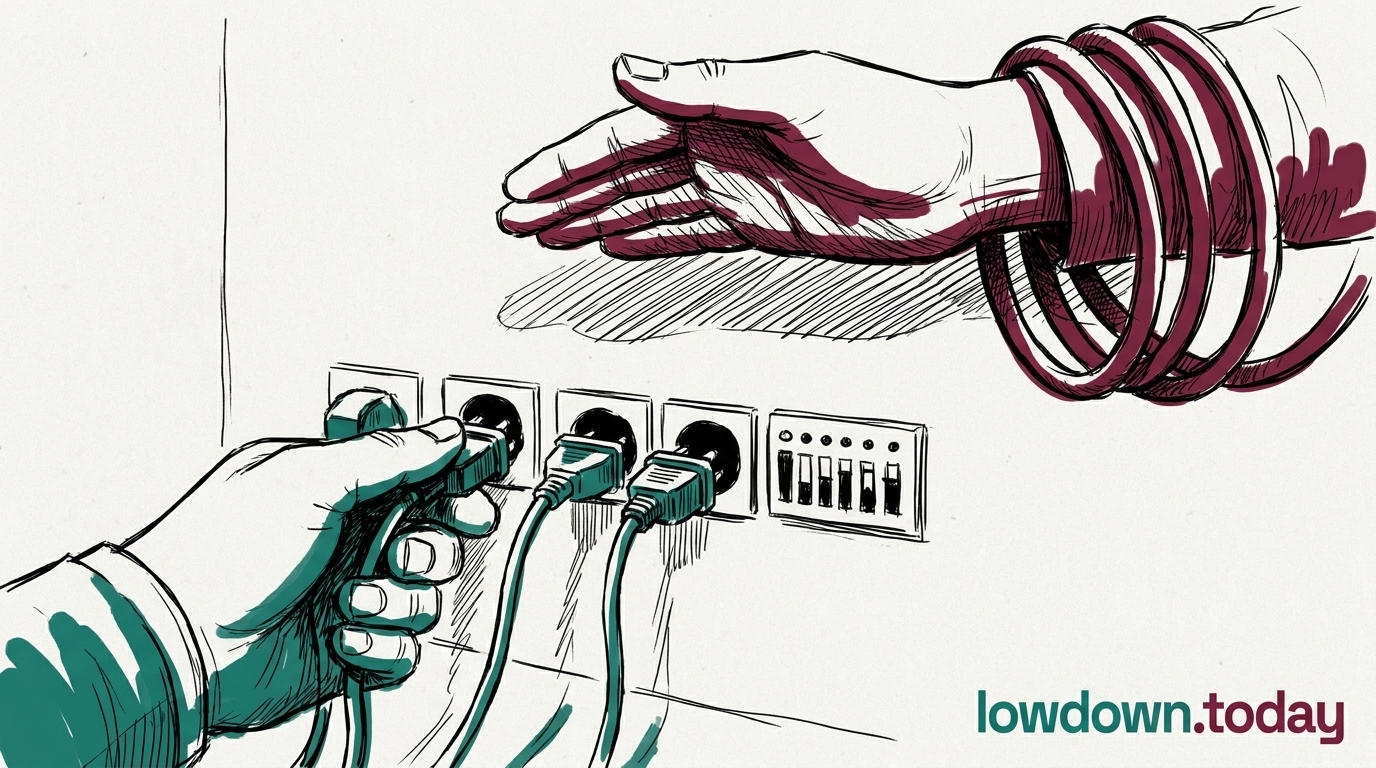
OFAC designated Hengli Petrochemical (Dalian) Refinery Co. Ltd on 24 April under press release sb0472, alongside 19 shadow-fleet vessels and 20 shipping companies across Hong Kong, Panama, Marshall Islands, the UAE, Vietnam, Liberia and the Cayman Islands 1. Hengli is China's second-largest independent "teapot" refinery, processing roughly 400,000 barrels per day, and the first Chinese refinery designated in the 2026 war. Five Chinese entities were already on the SDN list; Hengli is the largest by volume. It received Iranian crude from Sepehr Energy Jahan Nama Pars, the oil sales arm of Iran's Armed Forces General Staff, generating what Treasury called "hundreds of millions of dollars in revenue for the Iranian military".

Treasury Secretary Scott Bessent framed the action in terms no shadow-fleet designation has used before: "Economic Fury is imposing a financial stranglehold on the Iranian regime, hampering its aggression in the Middle East, and helping to curtail its nuclear ambitions." 2 Prior shadow-fleet rounds carried Hormuz, missile or oil-revenue framing; this is the first time Treasury press machinery has attached a nuclear-programme rationale to a teapot-refinery action.

The legal architecture matters. Shadow-fleet OFAC rounds typically sit under Executive Order 13846 (Iran sanctions) or 13224 (counter-terrorism). Nuclear framing invokes separate statutory authority under the Iran Nuclear Agreement Review Act and potentially INARA's expanded enforcement provisions, which widens the toolkit for future rounds. The action paired with the 24 April NSPM-2 missile and drone designations of fourteen targets , so Treasury produced two signed instruments inside 24 hours while the National Security Council was preparing envoys for Pakistan and was told to stand down.


Deep Analysis

In plain English

Iran sells most of its oil to China. To get around US sanctions, the oil travels on ships that hide their identity, switch flags, and use shell companies registered in places like Hong Kong, Panama, and the Cayman Islands. This network is called the 'shadow fleet'. The US has been sanctioning parts of this network throughout the war. Friday's action went further: it named Hengli Petrochemical, one of China's biggest oil refineries, as a buyer of Iranian oil that was generating hundreds of millions of dollars for the Iranian military. The most significant new element is the language Treasury Secretary Scott Bessent used: he publicly said these oil sales were funding Iran's nuclear programme. That framing matters because it signals the US may use nuclear-weapons-specific laws on top of standard sanctions, which carry heavier penalties for anyone doing business with the designated companies.

Deep Analysis
Root Causes

The Iran Nuclear Agreements Review Act (INARA) requires the administration to certify every 90 days whether Iran is compliant with nuclear commitments. Treasury has been building a sanctions architecture under NSPM-2 and the September 2025 UNSC snapback authority. Bessent's nuclear framing on the Hengli designation fills the gap between OFAC's oil-revenue authority and INARA's nuclear-programme authority, allowing Treasury to pursue both simultaneously without a new presidential executive order.

Brent closed at $105.73 on 24 April, 57% above the pre-war baseline. Designating China's second-largest teapot refinery sends a structural signal to the oil market that supply disruption is being actively tightened, reinforcing the price pressure without a new military action.

What could happen next?
  • Precedent

    The nuclear framing on a shadow-fleet designation creates a template for applying INARA enforcement provisions to oil-revenue actions, bypassing the need for new presidential executive instruments.

    Medium term · 0.78
  • Risk

    China's Ministry of Commerce may announce retaliatory trade measures against US firms operating in China in response to the Hengli designation, as it did after the Huawei action.

    Short term · 0.62
  • Consequence

    The General License V wind-down with no published deadline creates compliance uncertainty for Hengli's 400,000 b/d customer base; buyers must choose between continuing under legal risk or switching supply immediately.

    Immediate · 0.85
First Reported In

Update #79 · Islamabad 3 collapses; Witkoff grounded, talks stall

US Department of the Treasury· 25 Apr 2026
Read original
Different Perspectives
Turkey
Turkey
Turkey, a major buyer of Russian diesel cargoes, loses that access under Moscow's first producer-binding export ban, in force from 8 July to 31 July. Ankara hosted the same week's NATO summit pledging EUR 70bn to Ukraine, sitting on both sides of the fuel-and-alliance ledger.
NATO
NATO
NATO leaders meeting in Ankara on 7 and 8 July pledged EUR 70bn in equipment, assistance and training for Ukraine across 2026, with a 2027 sustainment commitment and a $40bn Drone Edge counter-drone initiative. European allies now fund the vast majority of that package, filling the gap left by Washington's idled crude waiver.
India
India
India's state refiners continued buying discounted Urals crude as June's price fell to $63.18 a barrel, insulating New Delhi from the OFAC waiver gap still constraining Western buyers. Indian refiners could pick up diesel-export share as Russia's producer-binding ban shuts out its former customers.
China
China
China's independent refiners kept importing discounted Urals crude through June as the price fell to $63.18 a barrel, down 26% month-on-month per CREA. Beijing has said nothing on Moscow's new diesel ban, leaving Chinese refiners a likely beneficiary if Turkish and Brazilian buyers seek replacement cargoes.
United States
United States
No successor licence has been issued since General License 134C lapsed on 17 June, leaving a 26-day gap, the longest of the war, in the Russian crude waiver. Washington's silence is tightening the channel without any stated decision, as Treasury weighs whether to let it die.
Ukraine
Ukraine
Ukraine's long-range strike campaign shifted from refineries to seaborne fuel tankers crossing the Sea of Azov, cutting tracked vessel traffic 55% between 30 June and 11 July, per Starboard Maritime Intelligence. The shift targets Russia's export revenue directly rather than just domestic supply, adding pressure alongside the collapsing Urals price.



