Skip to content
You can now search across every topic, entity and event.What's new
Russia-Ukraine War 2026
16JUN

Russia loses 179 soldiers per square km

2 min read
10:25UTC

Mykhailo Fedorov calculated that Russian forces were suffering 179 losses per square kilometre of advance in 2026, nearly three times the 67 per sq km in 2025. Mediazona's running database recorded verified dates of death for 202,000 Russian soldiers as of 22 May.

ConflictDeveloping
Key takeaway

Russia is paying three soldiers per kilometre for every one it paid in 2025, while simultaneously losing ground.

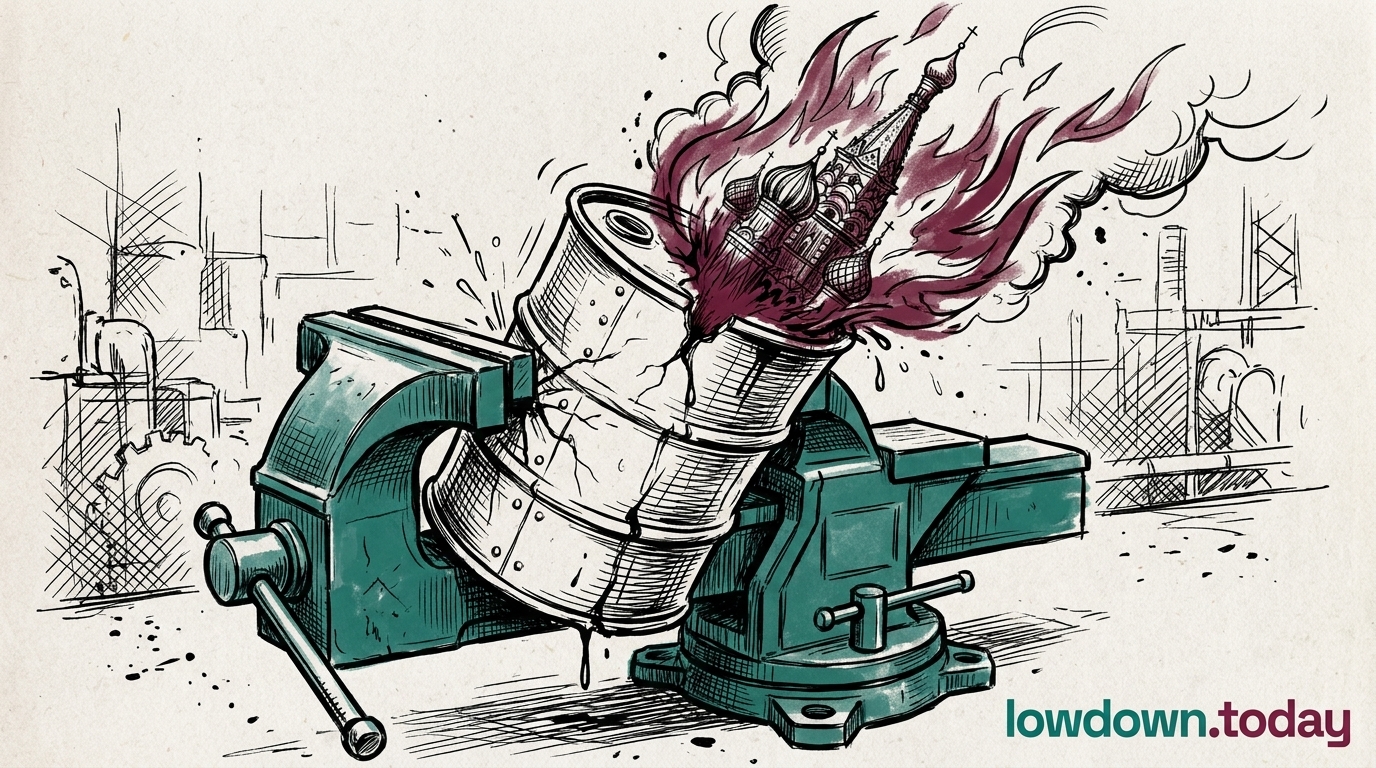
Mykhailo Fedorov, Ukraine's Minister of Digital Transformation, calculated that Russian forces are suffering 179 losses per square kilometre of advance in 2026, against 67 in the same window of 2025. The defence budget of 13.5 trillion rubles was set when advance rates were five times higher; Russia is now paying 2.7 times more in personnel per unit of territory than the budget contemplated.

Mediazona offers the most reliable open-source count, tracking named deaths through obituaries, social media and probate records. Its 202,000 figure is verified individual cases with dates. The Probate Registry statistical extrapolation, published 9 May, puts total male deaths aged 18-59 through end-2025 at 352,000 .

The gap between 202,000 confirmed and 352,000 statistical reflects how effectively Russia's casualty suppression works. Compensation systems pay families without requiring public registration, so they are incentivised not to publicise deaths. Mediazona treats its 202,000 figure as a floor that the true toll exceeds, not a ceiling.

At 179 losses per sq km, Russia would need to advance roughly 6 sq km a day to sustain its 2025 casualty rate per unit of time. The 100 sq mi loss over four weeks means it is moving the other way.


Deep Analysis

In plain English

In 2025, Russia lost roughly 67 soldiers for every square kilometre of Ukrainian territory it captured. In 2026, that figure has risen to 179 soldiers per square kilometre, nearly three times as many. And unlike in 2025, Russia is now losing ground rather than gaining it. An independent Russian media outlet working from obituaries and public records has confirmed the dates of death for 202,000 Russian soldiers. A separate statistical study puts the real total of Russian men killed since the invasion started through end-2025 at around 352,000. These numbers explain why Russia is turning to its most advanced weapons: the conventional ground war is becoming too expensive in lives and money to sustain.

What could happen next?
  • Consequence

    Russia's defence budget, set at 2025 attrition assumptions, is structurally underfunded for 2026 casualty consumption rates.

First Reported In

Update #18 · Oreshnik doubles as Russia's front collapses

Al Jazeera· 1 Jun 2026
Read original
Causes and effects
This Event
Russia loses 179 soldiers per square km
Tripled per-kilometre attrition is the fiscal and operational mechanism behind Russia's front-line collapse; the defence budget was calibrated on 2025 advance rates and cannot sustain 2026 casualty consumption per unit of territory.
Different Perspectives
Turkey
Turkey
Ankara hosts the NATO summit on 7-8 July, the next Western diplomatic convergence that Russia may target with a mass barrage based on the documented pattern of timing strikes to allied events; Turkey's role as the indispensable logistical intermediary between Kyiv and Moscow gives it standing to broker any ceasefire repair at Zaporizhzhia.
IAEA
IAEA
The IAEA's sixth brokered repair ceasefire at ZNPP collapsed within days of enabling initial work on the 750 kV Dniprovska line, leaving Europe's largest nuclear plant on a single 330 kV backup with 19 total blackouts recorded since the Russian occupation began.
European Union
European Union
The EU delayed the €9.1bn first tranche of its €90bn Ukraine loan on unmet technical conditions, while disbursing a separate €2.8bn Facility payment on 8 June; the G7 sanctions-to-talks linkage now runs parallel to EU enforcement.
United Kingdom
United Kingdom
Britain conducted its first maritime interdiction of the Russian shadow fleet, with Royal Marines seizing the Smyrtos in the English Channel on 14 June, and simultaneously announced a £210m Urenco uranium deal to break Ukraine's dependence on Russian nuclear fuel.
United States
United States
Trump called both Putin and Zelenskyy separately on 14 June, pledged to re-engage on Ukraine now the Iran deal is done, and the G7 tied future Russia sanctions to peace-talk progress, giving Washington leverage over both parties' negotiating posture.
Ukraine
Ukraine
Zelenskyy attended the G7 at Evian and proposed a direct Putin summit while 140,000 households in Kyiv lost power and the Lavra's Dormition Cathedral burned; Metropolitan Epiphanius called it an attack "against history, against Christianity." Kyiv's immediate priority is closing the PAC-3 export gap that left 19 of 34 Iskander-M ballistic missiles unintercepted.


