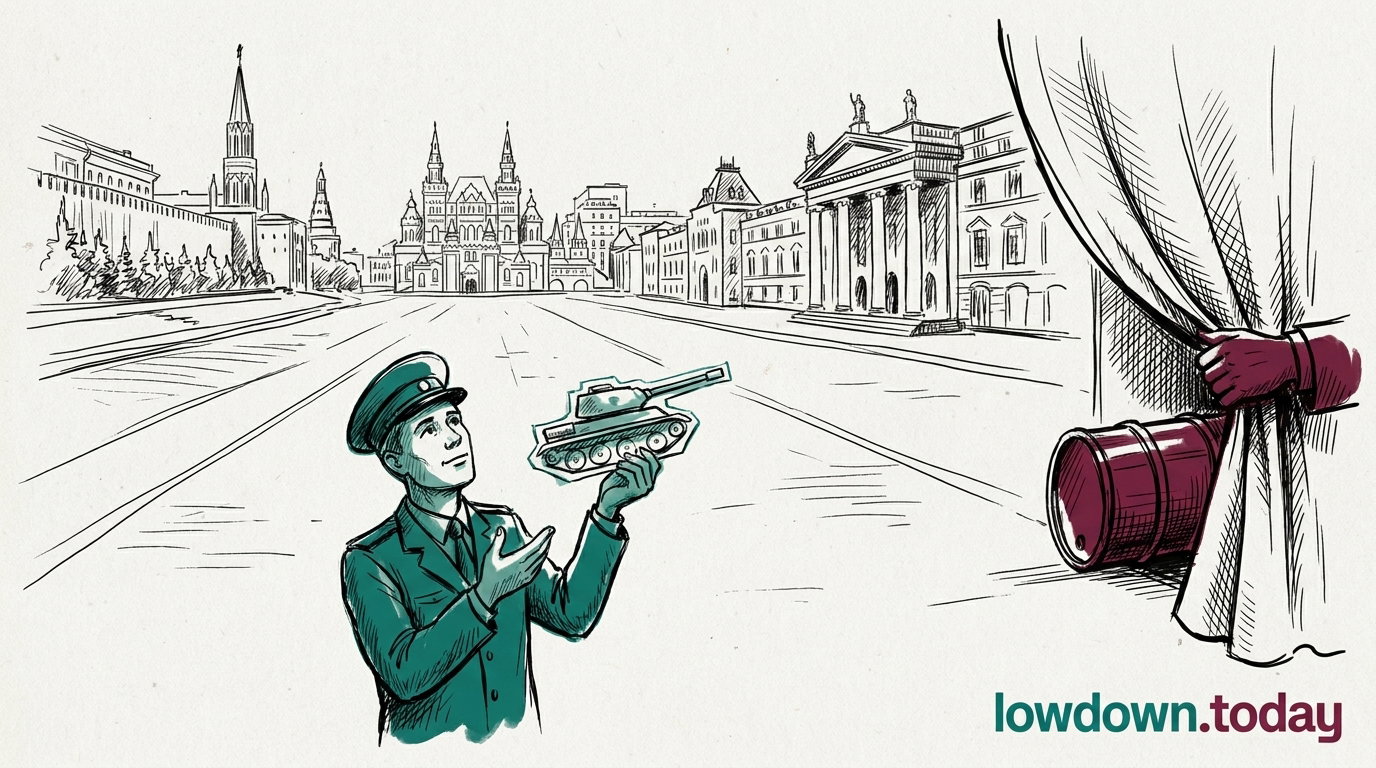
MOFCOM, China's Ministry of Commerce, activated its 2021 Blocking Rules for the first time on Saturday 2 May, naming five refineries as legally barred from honouring OFAC's Iran designations: Hengli Petrochemical (Dalian), Shandong Shouguang Luqing, Shandong Jincheng, Hebei Xinhai and Shandong Shengxing1. The order took immediate effect. The Blocking Rules are China's Order No. 1 of 2021, a statute that prohibits Chinese firms from complying with foreign sanctions; OFAC is the US Treasury's Office of Foreign Assets Control, which administers Iran sanctions through bulletin codes such as SB0472. Article 9 of the Rules creates a private cause of action in Chinese courts: any Chinese company that complies with the listed designations can be sued for damages by the sanctioned counterparty.
Hengli was OFAC-designated under SB0472 on 24 April with a wind-down clock under General License V (GL-V) that expires on 24 May. Twelve days before the activation, Hengli transferred 95% of its Singapore arm to a Chinese state entity to soften the blow. Beijing's posture has stepped two rungs higher in twelve days, moving from quiet corporate restructuring to formal legal prohibition. China simultaneously holds the United Nations Security Council presidency for May 2026; on the same day, the Council president called for 'good-faith' US-China negotiations on Iran2.
The five named firms are independent 'teapot' refineries that account for a meaningful share of Chinese plants buying Iranian crude. The mechanism runs through commercial liability: any bank, insurer or freight forwarder that turns away their cargoes faces compensation claims in Chinese courts. The European Union's own Blocking Statute, Regulation 2271/96, has never been invoked against the current Iran sanctions cycle, so Beijing now sits ahead of Brussels in legal posture against the Trump administration's enforcement track. The first multinational to test Article 9 in court will set the precedent for everyone else.




