Skip to content
You can now search across every topic, entity and event.What's new
Russia-Ukraine War 2026
24APR

A week, no US Iran order signed

2 min read
11:21UTC

For a full week to 7 July the White House signed no Iran instrument and OFAC named no Iranian target, even as Treasury issued fresh sanctions across six other programmes.

ConflictDeveloping
Key takeaway

Washington signed nothing on Iran for a week while sanctioning six other programmes.

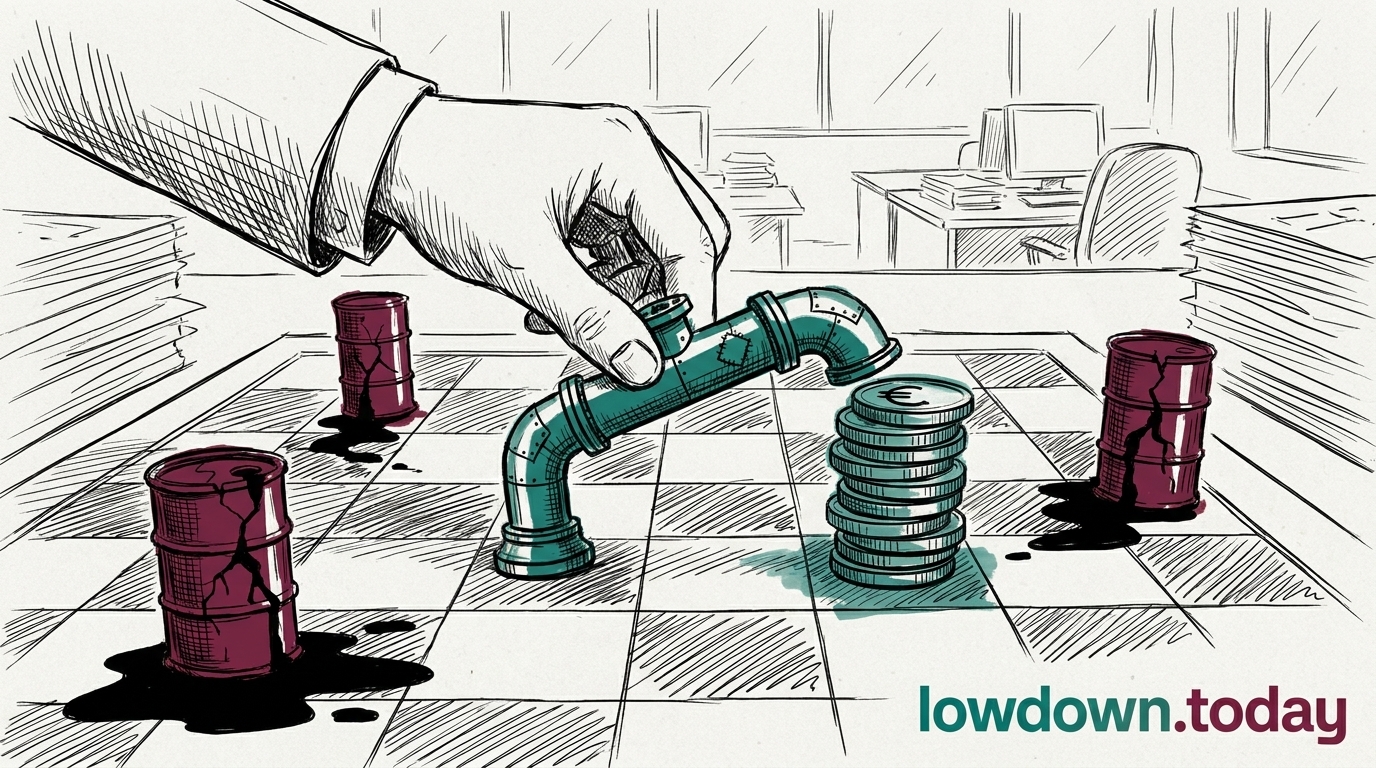
The White House presidential-actions register recorded no new Iran, sanctions or Middle East instrument for a full week to 7 July, and the Office of Foreign Assets Control (OFAC), the US Treasury's sanctions bureau, named no Iranian, IRGC or Hezbollah target in the same window 1. OFAC issued fresh designations instead across six programmes: narcotics, terrorism, Cuba, Russia, Sudan, Venezuela and the Democratic Republic of Congo.

Six other programmes drew action in the same fortnight, so the Iran gap reflects a decision about Iran specifically, not a Treasury or White House pause. It extends a documented inaction the topic has tracked since President Donald Trump demanded cheaper petrol while signing nothing on Iran , and since Washington, Tehran and Doha gave three irreconcilable accounts of the same talks .

Trump supplied the week's only Iran line himself, telling reporters he would either negotiate or 'finish the job' militarily and signing no order alongside it 2. Read one way, a week of holding paper is deliberate restraint while the funeral runs and the Doha channel stays paused. Read another, it is a superpower issuing threats it does not convert into instruments while the other side converts its threats into missiles.

Deep Analysis

In plain English

The US government has a list of official actions it takes against countries, like freezing money or naming banned people and organisations. For a whole week, the Trump administration added zero new such actions against Iran, the IRGC or Hezbollah, even though it added plenty against six other countries and groups in the same period. At the same time, President Trump kept talking tough, saying he would either negotiate with Iran or 'finish the job' by force. But talking is not the same as signing something official, and this week Washington only did the talking.

What could happen next?
  • Meaning

    A documented week-long gap specifically on Iran, against a backdrop of six other active programmes, shifts the burden onto Washington to explain the omission as deliberate strategy rather than oversight.

First Reported In

Update #148 · Iran shoots the Hormuz route it rejected

US Treasury· 7 Jul 2026
Read original
Different Perspectives
Turkey
Turkey
Turkey, a major buyer of Russian diesel cargoes, loses that access under Moscow's first producer-binding export ban, in force from 8 July to 31 July. Ankara hosted the same week's NATO summit pledging EUR 70bn to Ukraine, sitting on both sides of the fuel-and-alliance ledger.
NATO
NATO
NATO leaders meeting in Ankara on 7 and 8 July pledged EUR 70bn in equipment, assistance and training for Ukraine across 2026, with a 2027 sustainment commitment and a $40bn Drone Edge counter-drone initiative. European allies now fund the vast majority of that package, filling the gap left by Washington's idled crude waiver.
India
India
India's state refiners continued buying discounted Urals crude as June's price fell to $63.18 a barrel, insulating New Delhi from the OFAC waiver gap still constraining Western buyers. Indian refiners could pick up diesel-export share as Russia's producer-binding ban shuts out its former customers.
China
China
China's independent refiners kept importing discounted Urals crude through June as the price fell to $63.18 a barrel, down 26% month-on-month per CREA. Beijing has said nothing on Moscow's new diesel ban, leaving Chinese refiners a likely beneficiary if Turkish and Brazilian buyers seek replacement cargoes.
United States
United States
No successor licence has been issued since General License 134C lapsed on 17 June, leaving a 26-day gap, the longest of the war, in the Russian crude waiver. Washington's silence is tightening the channel without any stated decision, as Treasury weighs whether to let it die.
Ukraine
Ukraine
Ukraine's long-range strike campaign shifted from refineries to seaborne fuel tankers crossing the Sea of Azov, cutting tracked vessel traffic 55% between 30 June and 11 July, per Starboard Maritime Intelligence. The shift targets Russia's export revenue directly rather than just domestic supply, adding pressure alongside the collapsing Urals price.
