Skip to content
You can now search across every topic, entity and event.What's new
Iran Conflict 2026
6APR

India brings the last dead sailor home

3 min read
09:43UTC

The remains of chief engineer Patnala Suresh reached Visakhapatnam on 19 June, completing the repatriation of three Indian crew killed by US fire, as Delhi summoned Washington's envoy twice without an apology.

ConflictDeveloping
Key takeaway

The blockade that killed three Indian sailors is gone; no US apology or inquiry followed.

The remains of chief engineer Patnala Suresh, 44, reached Visakhapatnam on Friday 19 June, completing the repatriation of all three Indian crew killed when US munitions struck the tanker MT Settebello on 10 June 1. Deck cadet Aditya Sharma and engine fitter Shivanand Chaurasiya had come home on 17 June; 21 of the ship's 24 crew survived the strike 2.

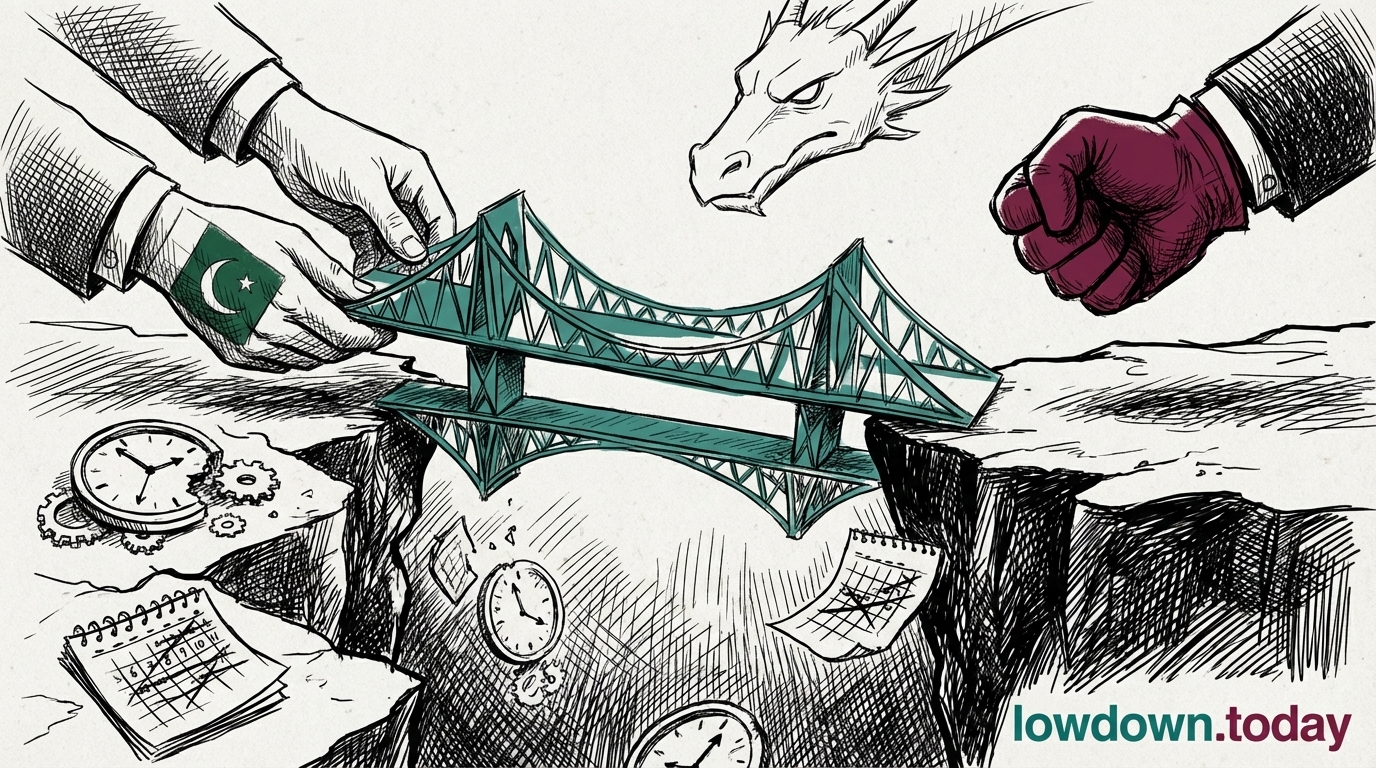
India's Ministry of External Affairs summoned the US Chargé d'Affaires Jason Meeks twice in a week 3, and Prime Minister Narendra Modi had raised the deaths with Trump directly at the G7 . Washington answered that blockade violations "will not be tolerated", offering no apology, opening no investigation, and signing no instrument of any kind. Delhi had repatriated the first two sailors only days earlier , and the original strike had already drawn a formal protest.

India was the largest non-belligerent economic casualty of the blockade, dependent on Hormuz for the bulk of its crude and liquefied petroleum gas. Its restraint, two summons and a G7 raise rather than a rupture, reflects strategic dependence on Washington and the constraints of the Quad partnership, not satisfaction. The blockade that killed the three men has now been lifted, and the deal that ended the enforcement made no provision for the civilians it killed.


Deep Analysis

In plain English

Three Indian sailors died when the US Navy struck the oil tanker MT Settebello on 10 June. The US Navy said the ship was defying blockade orders by heading toward Iranian ports, and fired precision munitions into its engine room. The remains of Patnala Suresh, the last of the three sailors, arrived in Visakhapatnam on 19 June. India's foreign ministry summoned the top US diplomat in New Delhi twice in a week. Washington responded that blockade violations would not be tolerated. Prime Minister Narendra Modi raised the deaths directly with Donald Trump at the G7 summit on 17 June and received no apology. As of 19 June, the US had issued no apology, opened no investigation, and signed no instrument addressing the deaths.

Deep Analysis
Root Causes

India's vulnerability on this issue has two structural roots. First, 90% of India's LPG and 55% of its crude transited Hormuz before the conflict . India cannot afford a sustained rupture with Washington while its energy security depends on Gulf access that the US Navy controls.

Second, India's non-alignment posture, which led it to abstain on UN Security Council resolutions condemning the blockade, constrained its ability to make the MT Settebello deaths a formal multilateral cause rather than a bilateral complaint.

The US's refusal to apologise reflects a structural calculation: accepting liability for blockade-enforcement casualties would undermine the legal basis of blockade enforcement itself. Any admission that the MT Settebello strike was wrongful would open liability claims for all nine disabled vessels and potentially the 139 redirected ships.

Escalation

The diplomatic trajectory is contained: India has not recalled its ambassador, has not joined any multilateral condemnation, and has not suspended bilateral cooperation. The constraint on escalation is India's energy dependence on Gulf access, which gives Washington structural leverage that limits how far New Delhi will push on the Settebello case.

What could happen next?
  • Consequence

    India summoned the US Chargé twice with no result, establishing that Washington will not issue an apology or investigation for maritime enforcement casualties regardless of ally pressure. This sets a precedent for how the US will handle future third-party civilian deaths in blockade operations.

  • Risk

    The absence of US accountability for the three Indian deaths may complicate the bilateral relationship during Phase 2 of the Iran negotiations, where India's cooperation on sanctions enforcement or energy realignment could be valuable to Washington.

First Reported In

Update #132 · Trump lifted the blockade, not the strait

ANI News· 19 Jun 2026
Read original
Different Perspectives
Oil traders
Oil traders
Sent Brent down 2.29 per cent to $98.38 a barrel on reports that mediation was reviving, moving the price on CENTCOM's quiet night rather than on Trump's same-day promise of a bigger operation with no deadline attached.
Iran
Iran
An Iranian official called the same mediation account completely misleading, denying it received any US proposal via Baghdad on the same day Iraq denied delivering one, leaving neither denial able to settle what actually passed between the two capitals.
Iraq
Iraq
Called groundless the New York Times account that its prime minister carried a US ceasefire proposal to Tehran, a denial that also protects Baghdad's effort to avoid becoming a party to a war fought by aircraft it does not control.
OHCHR
OHCHR
Recorded 17 civilian seafarer deaths since the war began, a population neither the Pentagon nor Iran's Health Ministry counts in its own tally, and called for urgent action on 6,000 crew stranded across roughly 400 vessels in the Strait of Hormuz.
Houthis
Houthis
Enforced the blockade on Saudi-linked shipping it declared on 20 July by hitting the NCC Masa and then an Aramco facility at Jazan, moving from radio warnings to strikes on land after four days without a confirmed hit.
Saudi Arabia
Saudi Arabia
Struck Houthi military sites near Hodeidah the same day the NCC Masa was hit, while its coalition spokesman insisted Hodeidah, Ras Issa and Salif all remain open to navigation. The distinction protects the ports Yemen's population depends on for food and fuel even while punishing the group behind the tanker strike.



