Skip to content
You can now search across every topic, entity and event.What's new
Iran Conflict 2026
31MAR

Iran Exempts Iraq From Hormuz as Oil Output Collapses

3 min read
08:23UTC

Iraq lost three-quarters of its oil production to the blockade. Tehran granted relief and called it brotherhood.

ConflictAssessed
Key takeaway

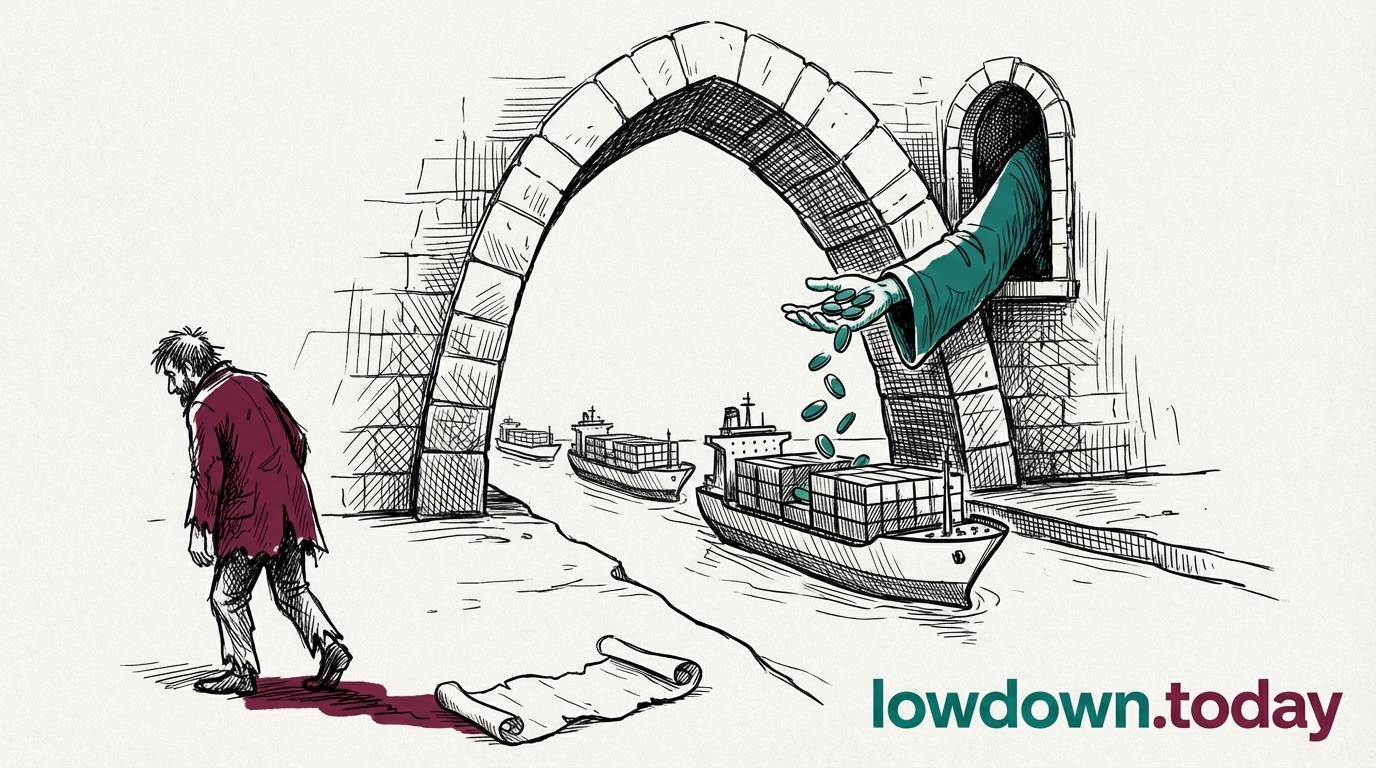
Iran is converting Hormuz from a blockade into a bilateral licensing system it controls.

Iran exempted Iraq from all Strait of Hormuz restrictions on 5 April, citing "brotherly" ties. 1 Iraq's oil production had collapsed from 4.3 to 1.2 million barrels per day under the blockade, a 72% drop costing roughly $200 million daily. Oil is the single revenue source that funds Iraq's government. The exemption is a survival measure for both sides: Iraq's economy cannot function without Hormuz access, and Iran needs at least one friendly neighbour whose state has not been destroyed by Iranian policy.

Weekly Hormuz transits rose to 53 last week, up from 36, but still down over 90% from the pre-war normal of roughly 966. The increase is driven entirely by bilateral exemptions: the Philippines, France , Japan, Oman, and now Iraq. Each deal further normalises Tehran's sovereignty claim over international waters. The coalition posture Washington maintained since the blockade began is dissolving into a series of licensing arrangements administered by Tehran.

Ali Vaez of the International Crisis Group assessed that Hormuz control is "much more potent than even a nuclear weapon." Former CIA Director Bill Burns said Tehran has "tasted its power and leverage and won't soon give it up." US intelligence simultaneously assessed Iran will not open Hormuz "any time soon." 2

Deep Analysis

In plain English

Iran is blocking most ships from passing through a narrow waterway that most of the world's oil passes through. Iraq, which is Iran's neighbour and has historically friendly relations with Tehran, was losing three-quarters of its oil income because of the blockade. Iran has now said Iraq's ships can pass through. This sounds like a concession, but it is actually something more significant: Iran is deciding country by country who gets to use an international waterway, and charging them for the privilege. That is a fundamental change in who controls global oil shipping.

First Reported In

Update #59 · Day 37: A Ground War Inside Iran That Nobody Will Name

Al Jazeera· 5 Apr 2026
Read original
Different Perspectives
Oil traders
Oil traders
Sent Brent down 2.29 per cent to $98.38 a barrel on reports that mediation was reviving, moving the price on CENTCOM's quiet night rather than on Trump's same-day promise of a bigger operation with no deadline attached.
Iran
Iran
An Iranian official called the same mediation account completely misleading, denying it received any US proposal via Baghdad on the same day Iraq denied delivering one, leaving neither denial able to settle what actually passed between the two capitals.
Iraq
Iraq
Called groundless the New York Times account that its prime minister carried a US ceasefire proposal to Tehran, a denial that also protects Baghdad's effort to avoid becoming a party to a war fought by aircraft it does not control.
OHCHR
OHCHR
Recorded 17 civilian seafarer deaths since the war began, a population neither the Pentagon nor Iran's Health Ministry counts in its own tally, and called for urgent action on 6,000 crew stranded across roughly 400 vessels in the Strait of Hormuz.
Houthis
Houthis
Enforced the blockade on Saudi-linked shipping it declared on 20 July by hitting the NCC Masa and then an Aramco facility at Jazan, moving from radio warnings to strikes on land after four days without a confirmed hit.
Saudi Arabia
Saudi Arabia
Struck Houthi military sites near Hodeidah the same day the NCC Masa was hit, while its coalition spokesman insisted Hodeidah, Ras Issa and Salif all remain open to navigation. The distinction protects the ports Yemen's population depends on for food and fuel even while punishing the group behind the tanker strike.