Skip to content
You can now search across every topic, entity and event.What's new
Iran Conflict 2026
27MAR

Houthis claim a second tanker, the Layla

2 min read
14:13UTC

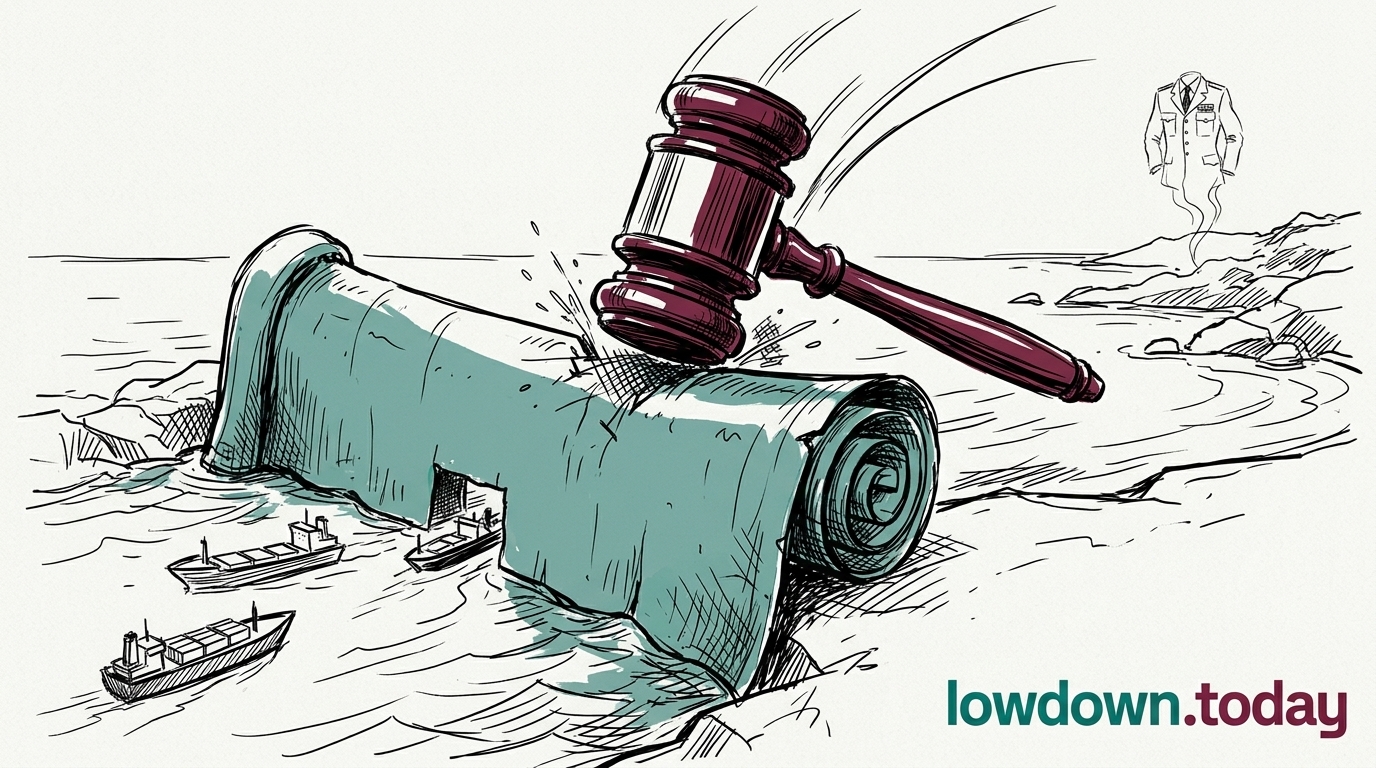
The Houthis said they struck a second Saudi tanker, the Layla, in the same 22 July action, but Saudi authorities have confirmed no hit on the vessel.

ConflictDeveloping
Key takeaway

Only the Houthis say the Layla was hit; Saudi authorities have confirmed nothing, and the premium depends on it.

The Houthis claimed a second strike on 22 July, on the Saudi tanker Layla, alongside the confirmed attack on the Encelia, but Saudi authorities have not confirmed the Layla was hit 1. Yahya Saree named both vessels in the same announcement; Saudi state media logged a fire only on the Encelia's bow 2.

The gap between claim and confirmation carries weight because the oil price is now leaning on it. The Houthis have a record of maritime claims that outrun the evidence: their mine-strike assertions in the Hormuz approaches were called false by CENTCOM within hours . One tanker on fire with the crew safe is a different order of event from two tankers struck, and a single denied hit could unwind part of the risk premium the strikes have added to crude. The Layla claim rests, for now, on the attacker's word alone.

Deep Analysis

In plain English

The Houthis said they also hit a second Saudi tanker, called the Layla, in the same attack that struck the Encelia. But unlike with the Encelia, Saudi officials have not confirmed the Layla was hit at all. This matters because when an armed group claims a second attack that no one else can verify, insurers and shipping companies often end up treating every ship on that route as at risk, even if only one vessel was actually hit.

Deep Analysis
Root Causes

The confirmation gap exists because Saudi Arabia controls the only authoritative channel, its own state media and port authorities, and has no incentive to confirm a second hit before it has assessed the commercial and insurance fallout of the first.

Houthi claims of multiple simultaneous strikes serve a purpose separate from the strikes themselves: forcing shippers to price every transiting vessel as a target, including vessels never actually struck.

What could happen next?
  • Risk

    An unconfirmed second claim adds to the uncertainty premium insurers charge across the whole Bab al-Mandab route, regardless of whether the Layla was actually hit.

First Reported In

Update #160 · Houthis hit Saudi tankers; Brent tops $100

Al Jazeera· 23 Jul 2026
Read original
Causes and effects
This Event
Houthis claim a second tanker, the Layla
The oil-price spike leans partly on a second strike that only the attacker has confirmed, leaving the premium exposed if the claim is denied.
Different Perspectives
Oil traders
Oil traders
Sent Brent down 2.29 per cent to $98.38 a barrel on reports that mediation was reviving, moving the price on CENTCOM's quiet night rather than on Trump's same-day promise of a bigger operation with no deadline attached.
Iran
Iran
An Iranian official called the same mediation account completely misleading, denying it received any US proposal via Baghdad on the same day Iraq denied delivering one, leaving neither denial able to settle what actually passed between the two capitals.
Iraq
Iraq
Called groundless the New York Times account that its prime minister carried a US ceasefire proposal to Tehran, a denial that also protects Baghdad's effort to avoid becoming a party to a war fought by aircraft it does not control.
OHCHR
OHCHR
Recorded 17 civilian seafarer deaths since the war began, a population neither the Pentagon nor Iran's Health Ministry counts in its own tally, and called for urgent action on 6,000 crew stranded across roughly 400 vessels in the Strait of Hormuz.
Houthis
Houthis
Enforced the blockade on Saudi-linked shipping it declared on 20 July by hitting the NCC Masa and then an Aramco facility at Jazan, moving from radio warnings to strikes on land after four days without a confirmed hit.
Saudi Arabia
Saudi Arabia
Struck Houthi military sites near Hodeidah the same day the NCC Masa was hit, while its coalition spokesman insisted Hodeidah, Ras Issa and Salif all remain open to navigation. The distinction protects the ports Yemen's population depends on for food and fuel even while punishing the group behind the tanker strike.