Skip to content
You can now search across every topic, entity and event.What's new
Iran Conflict 2026
20AUG

Houthis strike Israel for the first time

2 min read
16:36UTC

Yemen's Ansar Allah launched ballistic missiles at Israeli military sites on Day 29, ending four weeks of deliberate restraint at Tehran's request.

ConflictDeveloping
Key takeaway

Iran activated the Houthis after talks collapsed, threatening a second chokepoint.

Ansar Allah fired a barrage of ballistic missiles at military sites in southern Israel on 28 March, their first attack since the war began on 28 February. 1 The IDF intercepted one missile; sirens sounded in Beersheba.

Houthi military spokesman Brigadier-General Yahya Saree announced the strikes via Al Masirah TV and stated they would continue "until the aggression against all fronts of the resistance ceases." 2 The Houthis had sat out the war's first four weeks at Tehran's request. Their entry is a reversal, and its timing is deliberate: it came the day after Pakistan confirmed indirect US-Iran talks had stalled and the day Iran published five conditions for ending the war, including sovereignty over the Strait of Hormuz .

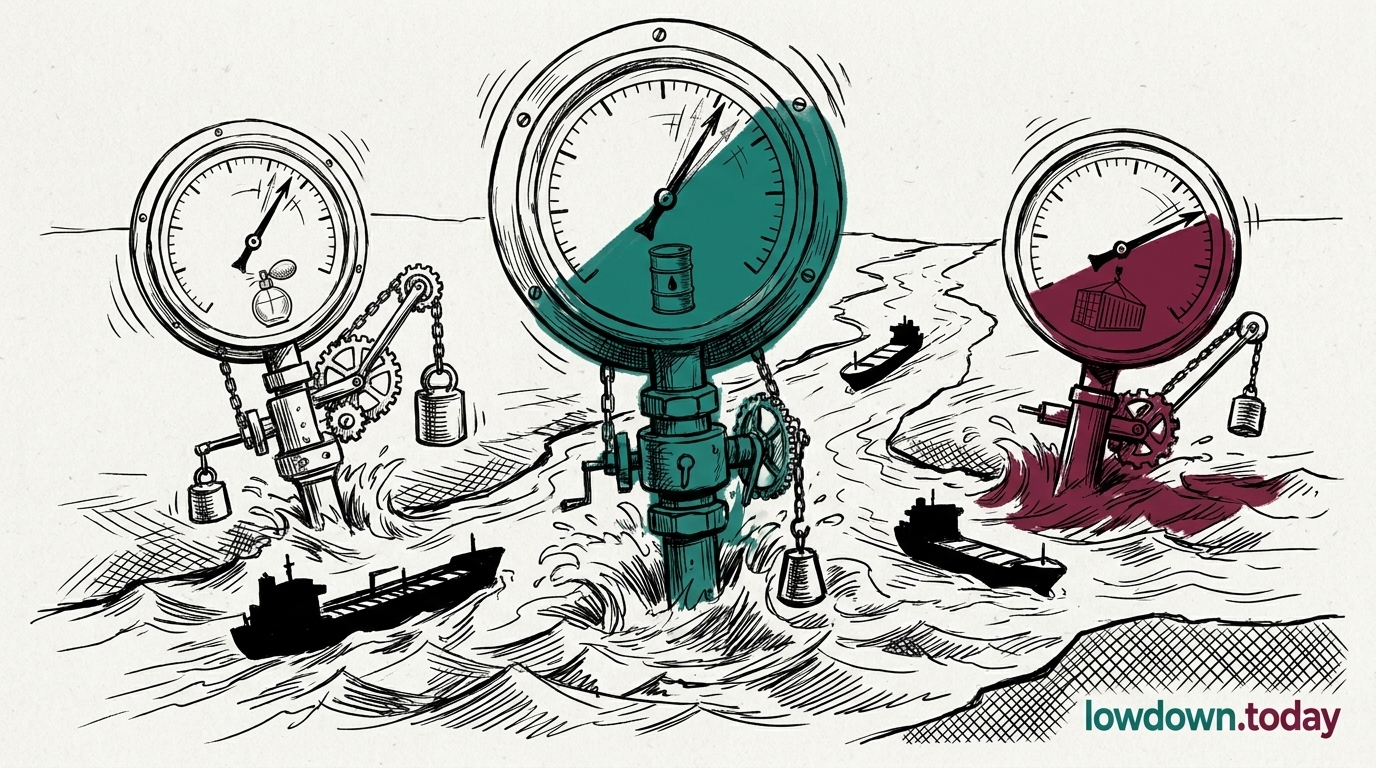
Tehran chose this moment to activate the proxy it had held in reserve. The military threat from a single intercepted missile is secondary. The strategic threat is geographic: combined with Iran's existing traffic control at Hormuz, where only five vessels crossed on 25 March , two of the world's three critical maritime chokepoints are now contested simultaneously for the first time since the 1973 oil crisis.

Deep Analysis

In plain English

Iran has a network of armed groups across the Middle East it funds and supplies. The Houthis, who control northern Yemen, are one of these. Since the war began on 28 February, they had stayed out of the fight at Iran's request. On 28 March they fired their first missiles at Israel. One was shot down; air raid sirens went off in the southern Israeli city of Beersheba. The Houthi spokesman said they would keep firing until all attacks on their allies stop. Why does this matter beyond one intercepted missile? Because the Houthis sit on the coast next to a second major oil shipping route called Bab al-Mandeb. Iran already controls the Strait of Hormuz. If both routes come under threat at the same time, the world's energy supply faces a problem no emergency reserve can fix.

Deep Analysis
Root Causes

The Houthis' decision calculus has two structural drivers the body does not address. First, Israeli strikes in August-September 2025 destroyed Houthi command-and-control, leaving the group with missiles but no officers who could plan integrated operations. Tehran has spent the war's first four weeks rebuilding that coordination layer, which explains the delay.

Second, the Houthis are politically incentivised to enter regardless of Iranian instructions. Sitting out a war that kills co-religionists in Gaza and Lebanon while the group claims to be the region's most committed resistance force is a legitimacy problem. Iranian restraint and Houthi domestic politics were converging toward the same outcome.

What could happen next?
  • Risk

    If the Houthis close Bab al-Mandeb, the IEA's 400 million barrel reserve release cannot compensate; two chokepoints cannot be substituted simultaneously.

    weeks · High
  • Consequence

    Houthi entry invalidates the US ceasefire framework; any deal must now cover four fronts, not two.

    days · High
  • Precedent

    Iran has demonstrated it can hold proxies in reserve then activate on diplomatic cue, making proxy networks a coercive bargaining tool rather than a standing threat.

    long-term · High
First Reported In

Update #50 · Houthis join; Iran holds two chokepoints

Al Jazeera· 28 Mar 2026
Read original
Different Perspectives
UK Maritime Trade Operations
UKMTO logged six armed men boarding a tanker 136 nautical miles east of Al Mukalla on 20 August and redirecting it toward Somalia. A vessel steered toward the Somali coast reads as an attempted seizure, a distinct hazard from the stand-off strikes the same lane has seen before.
Mohammad Bagher Ghalibaf
Iran's Majlis speaker received Iraq's Hormuz carve-out request in Baghdad on 19 August, a request that treats passage as Tehran's to grant. Ghalibaf's authority over that grant sits alongside the Revolutionary Guard's separate transit rules, which have moved independently of Iran's foreign ministry before.
Haibat al-Halbousi
Haibat al-Halbousi
Iraq's parliament speaker asked Iran for special consideration on Iraqi Hormuz oil exports during Ghalibaf's 19 August Baghdad visit. Iraq presses the request from a weak position: Iran's central bank is simultaneously demanding Baghdad release Iranian reserves parked in Iraqi accounts.
Federal Department of Economic Affairs, Education and Research
Switzerland's economics ministry updated the Article 21 forms governing lawful Iran money transfers on 19 August, with only the revised forms accepted from 26 August. Bern operates one of the few remaining legal Iran payment channels and has just set a hard cutover on its control point.
Motegi Toshimitsu
Motegi Toshimitsu
Japan's foreign minister said in Muscat on 20 August that Tokyo wants closer coordination with Oman on safe Hormuz and Bab el-Mandeb passage. Japan has no naval presence of its own in the strait, so it is routing the ask through the state negotiating with Iran instead.
Badr bin Hamad Al Busaidi
Oman's foreign minister joined Japan's in Muscat on 20 August to call for intensified coordination on Hormuz and Bab el-Mandeb navigation. Oman also runs the mediation track with Tehran, so the appeal travels through the same channel as the negotiation.