Skip to content
You can now search across every topic, entity and event.What's new
Iran Conflict 2026
10AUG

A week, no US Iran order signed

2 min read
23:27UTC

For a full week to 7 July the White House signed no Iran instrument and OFAC named no Iranian target, even as Treasury issued fresh sanctions across six other programmes.

ConflictDeveloping
Key takeaway

Washington signed nothing on Iran for a week while sanctioning six other programmes.

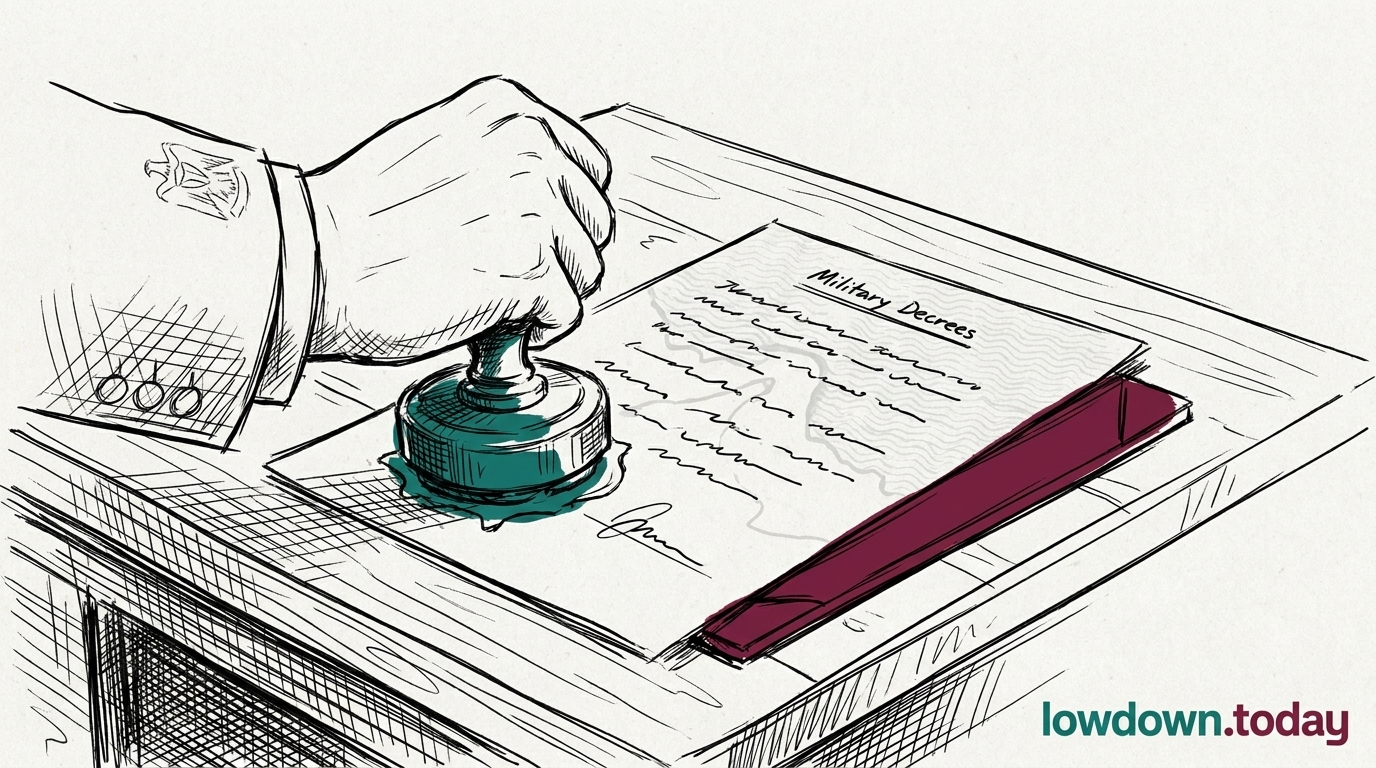
The White House presidential-actions register recorded no new Iran, sanctions or Middle East instrument for a full week to 7 July, and the Office of Foreign Assets Control (OFAC), the US Treasury's sanctions bureau, named no Iranian, IRGC or Hezbollah target in the same window 1. OFAC issued fresh designations instead across six programmes: narcotics, terrorism, Cuba, Russia, Sudan, Venezuela and the Democratic Republic of Congo.

Six other programmes drew action in the same fortnight, so the Iran gap reflects a decision about Iran specifically, not a Treasury or White House pause. It extends a documented inaction the topic has tracked since President Donald Trump demanded cheaper petrol while signing nothing on Iran , and since Washington, Tehran and Doha gave three irreconcilable accounts of the same talks .

Trump supplied the week's only Iran line himself, telling reporters he would either negotiate or 'finish the job' militarily and signing no order alongside it 2. Read one way, a week of holding paper is deliberate restraint while the funeral runs and the Doha channel stays paused. Read another, it is a superpower issuing threats it does not convert into instruments while the other side converts its threats into missiles.

Deep Analysis

In plain English

The US government has a list of official actions it takes against countries, like freezing money or naming banned people and organisations. For a whole week, the Trump administration added zero new such actions against Iran, the IRGC or Hezbollah, even though it added plenty against six other countries and groups in the same period. At the same time, President Trump kept talking tough, saying he would either negotiate with Iran or 'finish the job' by force. But talking is not the same as signing something official, and this week Washington only did the talking.

What could happen next?
  • Meaning

    A documented week-long gap specifically on Iran, against a backdrop of six other active programmes, shifts the burden onto Washington to explain the omission as deliberate strategy rather than oversight.

First Reported In

Update #148 · Iran shoots the Hormuz route it rejected

US Treasury· 7 Jul 2026
Read original
Different Perspectives
Yemen's internationally recognised government and affected communities
SABA reported at least 17 soldiers killed at Saudi-backed camps in eastern Yemen as tanker use of Bab el-Mandeb fell. The fighting adds civilian and supply risks to a route ships use when Hormuz is unsafe.
Shipping and insurance market
Lloyd's List Intelligence counted 84 Hormuz transits in the week to 7 August, against more than 700 in normal conditions. Vessel operators and underwriters need verified passage rules and a lower attack risk before regular sailings return.
United States Treasury
The US Treasury designated five Iranian individuals and ten entities, including crypto exchanges and wallet addresses, on 7 August. Washington is applying financial pressure while Iran asks for sanctions relief before reopening Hormuz.
United Arab Emirates
The UAE said an Iranian missile targeted an ADNOC-owned vessel on 8 August. Abu Dhabi's claim puts its state energy fleet inside the dispute, though the incident's details remain unresolved.
Oman
Oman
Oman and Iran agreed discussions on monitoring, environmental protection, maritime services and crime, while excluding transit fees. Muscat's role is operational mediation, but it cannot settle demands directed at Washington.
Iran's Supreme National Security Council
Iran's Security Council published six conditions for reopening Hormuz, including sanctions relief and frozen assets. Tehran treats maritime access as part of a wider settlement rather than a shipping-only arrangement.