Skip to content
You can now search across every topic, entity and event.What's new
Iran Conflict 2026
31JUL

US crude waiver lapses 17 June

3 min read
09:24UTC

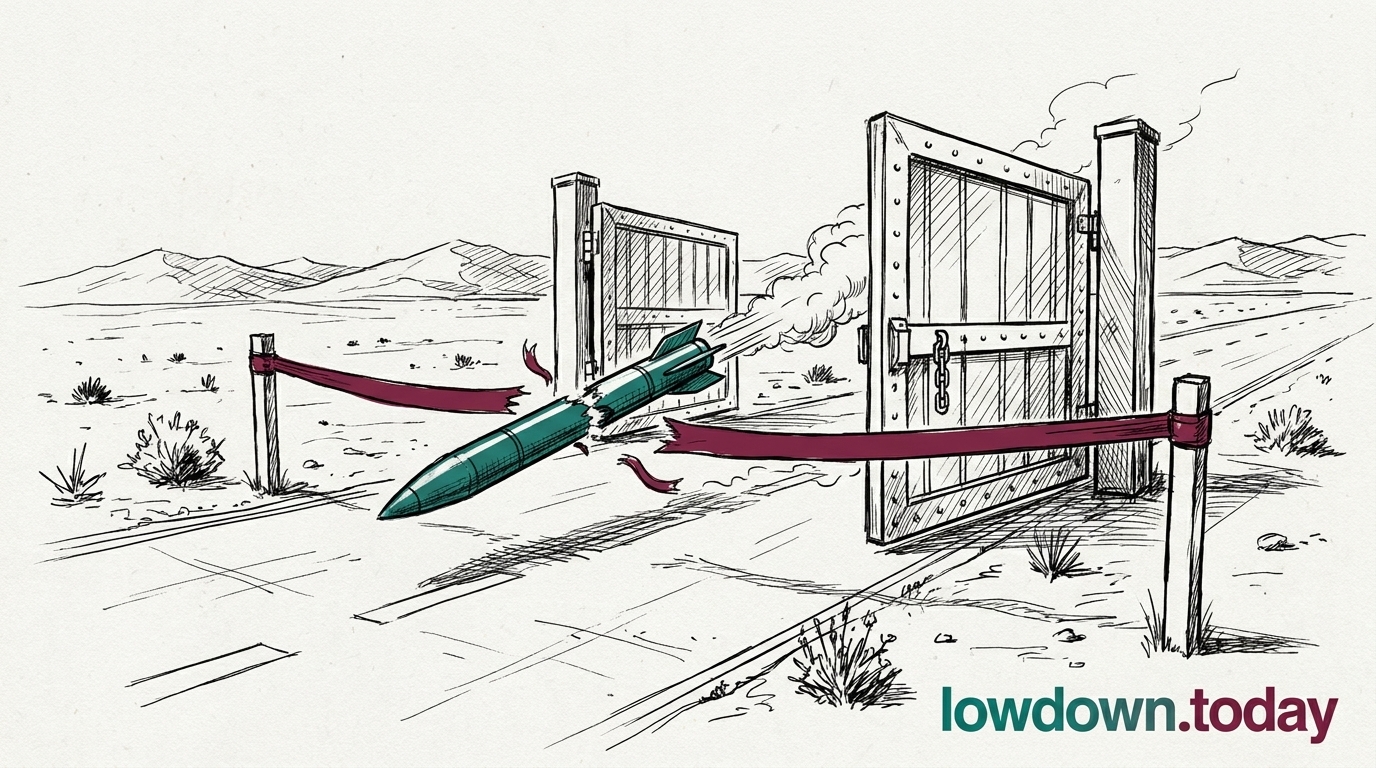
General License 134C, the US Treasury waiver covering Russian-origin crude, expires at 12:01am EDT on Wednesday 17 June with no successor in sight, stripping shadow-fleet cargoes of their last US legal cover.

ConflictDeveloping
Key takeaway

If Treasury issues no successor, Russian crude loses its last US legal cover from 17 June.

General License 134C (GL 134C), the US Treasury waiver that lets buyers take Russian-origin crude loaded before 12 March, expires at 12:01am Eastern Daylight Time on Wednesday 17 June, with no GL 134D announced 1. A general licence is a standing carve-out from sanctions; this one is the legal shield that has kept Russian seaborne oil moving through Western-touched insurance and shipping channels. Treasury has stayed silent on renewal.

This is the third consecutive 30-day bridge. The previous waiver, GL 134B, lapsed in mid-May , and the Cuba-excluded GL 134C that followed was issued on 18 May . Both earlier cliffs closed at the last minute without ending the trade, which is why the market is not yet pricing a clean break.

Let GL 134C lapse, and the consequence is structural rather than symbolic. Shadow-fleet operators who currently point to the waiver when arranging insurance would have to self-insure against secondary US sanctions on every cargo. The timing compounds the pressure: the legal cover drains away in the same week the Strait of Hormuz, due to reopen under the new US-Iran ceasefire, removes the scarcity premium that had lifted Russian crude prices through the spring. The price leg and the legal leg would tighten together, the combination Western sanctions architects have wanted since 2022.


Deep Analysis

In plain English

The US government issued a special permit, called General License 134C, that allowed companies to buy Russian oil that had been loaded onto ships before a certain date, even though Russian oil is under sanctions. Without this permit, buyers risk being punished by US financial authorities. The permit was the third in a row, each lasting 30 days. The third permit runs out at 12:01 in the morning on 17 June 2026 and no fourth permit has been announced. If no extension appears, every company moving Russian oil by sea from that point faces legal risk under US law, which can include being cut off from the US financial system. The same week, the Iran ceasefire is removing the reason oil prices were high, so Russia faces both less money per barrel and more legal obstacles to selling each one.

Deep Analysis
Root Causes

GL 134C exists because of a three-way tension in US sanctions design. The Trump administration wants to pressure Russia on energy revenue while avoiding oil-price shocks that damage US consumer sentiment. OFAC's rolling 30-day bridge is the instrument that manages this tension: it lets Treasury incrementally tighten coverage (removing Cuba in GL 134C) without triggering the cargo-stranding and insurance-market seizure that a clean expiry would produce.

The deeper structural cause is dollar-clearing dependency: the shadow fleet, however flagged, relies on dollar-denominated insurance, bunkering, and port-services markets that are all subject to OFAC jurisdiction. Russia has not been able to fully replicate these functions through the Russian National Reinsurance Company or Chinese yuan-clearing channels, which is why each GL extension still carries real legal weight for operators.

What could happen next?
  • Consequence

    If Treasury lets GL 134C lapse, shadow-fleet operators will face a binary choice between absorbing secondary-sanctions risk and redirecting vessels to non-Russian cargoes, likely reducing Russian crude seaborne export volumes in the short term.

    Immediate · Reported
  • Risk

    China's 23% cut in Russian crude imports in May reduces the buyer pool that can absorb Russian crude outside the waiver framework, increasing the probability that a GL expiry produces a genuine volume reduction rather than a route substitution.

    Short term · Reported
  • Opportunity

    The expiry, combined with the Hormuz reopening, gives the G7 a narrow window to present the crude-waiver architecture as a coherent pressure campaign rather than administrative repetition, strengthening the sanctions-to-peace-talks linkage agreed at Evian.

    Short term · Suggested
First Reported In

Update #20 · Oil vise shuts as Russia torches the Lavra

PBS News / AP· 16 Jun 2026
Read original
Different Perspectives
Shipping and insurance underwriters
Underwriters can price Houthi strikes because the group announces its targets, but an unclaimed drone at Damietta and a mandatory Iranian insurance scheme both deny them a pattern to price against. War-risk premiums are increasingly being set by the absence of a claimant, not the scale of the damage.
Jordan
Jordan
Azraq absorbed its fourth Iranian strike in seven weeks, again drawing no direct Jordanian retaliation, only an American one. Amman's exposure, hosting US basing without the Patriot density of Gulf allies, has not changed even as the war around it widens.
Houthi movement
Houthi movement
The Houthis' 20 July blockade of Saudi-linked shipping is the injury Riyadh's new 43-nation coalition directly answers, yet the group itself was never asked to join and remains outside every proposal on the table. Sanaa-aligned commentators call the coalition a paper reassurance for insurers rather than a deployable force.
Egypt's Cabinet
Egypt's Cabinet
Egypt confirmed the Damietta blaze was an attack, not an accident, on soil the war had never touched before. Cairo now faces an unclaimed threat to a facility supplying roughly 7% of its domestic gas, with no author to hold accountable and no pattern yet to defend against.
Oman
Oman
Muscat is running the only channel Iran will use, a voluntary Hormuz fee modelled on Malacca, but stayed out of Saudi Arabia's new naval coalition entirely. Oman's mediating leverage depends on treating Hormuz as shared and non-exclusive, the opposite of what Tehran is now demanding of it.
Iraq's Prime Minister
Al-Zaidi cancelled his first official Riyadh visit and convened the Coordination Framework, the coalition that keeps him in power and whose factions sit inside the PMF that Saudi jets just struck. He is caught between a five-year Saudi investment relationship and armed groups inside his own state he does not fully control.



