Skip to content
You can now search across every topic, entity and event.What's new
Iran Conflict 2026
2JUL

461 kg of uranium no one can verify

3 min read
11:15UTC

The Institute for Science and International Security read 265 to 287 kg of highly enriched uranium in Esfahan's backfilled tunnels from satellite imagery, against the 440.9 kg the memorandum commits Iran to destroy under inspectors who cannot enter the country.

ConflictDeveloping
Key takeaway

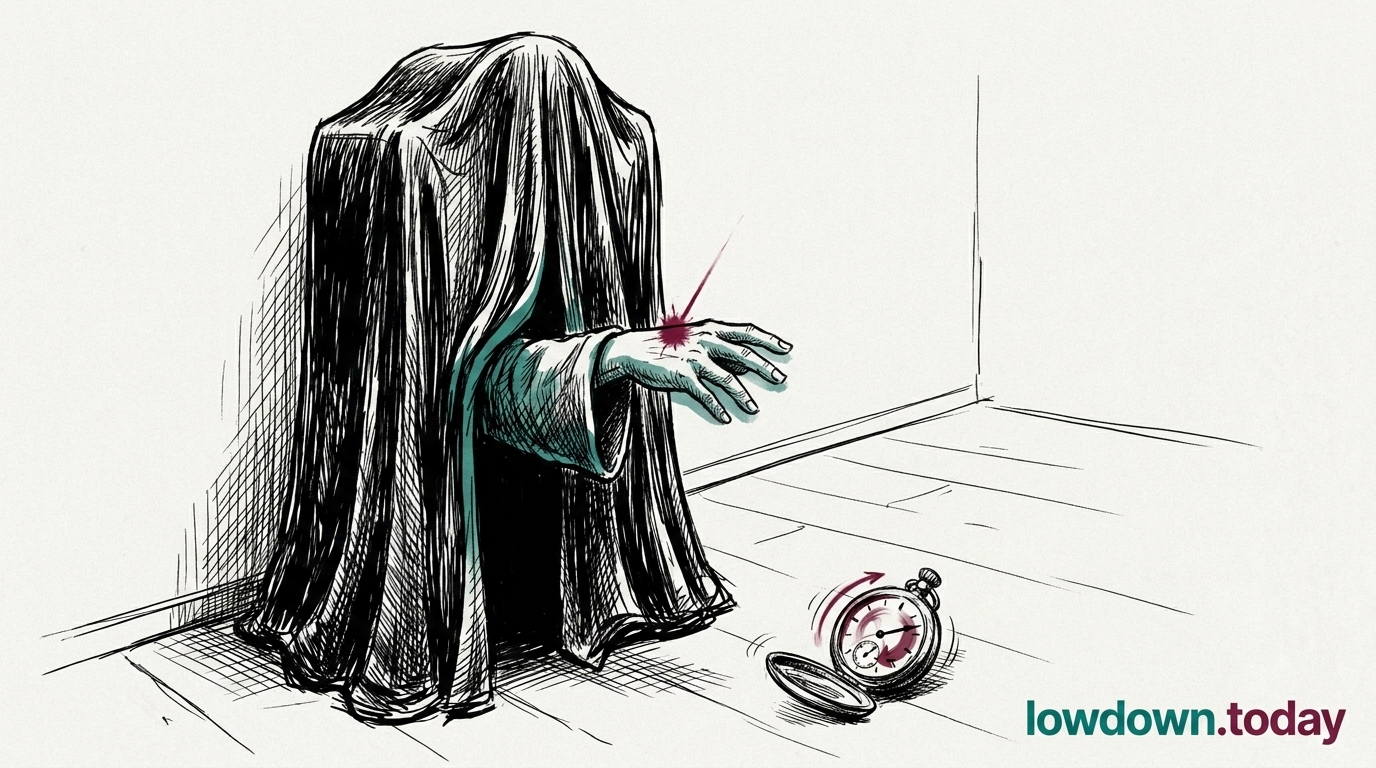
Inspectors cannot enter Iran, so the uranium the deal commits Iran to destroy stays uncounted.

The Institute for Science and International Security, a Washington non-proliferation think tank, used June 2026 satellite imagery to place Iran's 60 per cent enriched uranium across three hardened sites: 265 to 287 kg in backfilled tunnels at Esfahan, 80 kg at Fordow and 74 to 96 kg at Natanz. That totals as much as 461 kg, against the 440.9 kg the Islamabad memorandum commits Iran to destroy under international supervision. 1

Each figure comes from satellite imagery, not from an on-site count. The International Atomic Energy Agency (IAEA), the UN's nuclear watchdog, has had no inspector access to Iran for more than 100 days, and the Esfahan tunnel entrances are backfilled. Its director-general Rafael Grossi, speaking at Fukushima on 26 June, said access "is going to happen" and that work on modalities and dates would begin soon, but named no date and holds no signed access instrument. 2

Iran's deputy foreign minister Kazem Gharibabadi the same day ruled out access before a final deal and the lifting of all sanctions, deepening the impasse Grossi described . US envoy Steve Witkoff's claim that Iran had sent the IAEA a letter clearing inspectors stayed unconfirmed by both Iran and the agency. The memorandum names the IAEA to supervise the destruction of the stockpile, yet the inspectors it names cannot enter the country to begin. 3

Deep Analysis

In plain English

The International Atomic Energy Agency, the United Nations body that monitors nuclear programmes worldwide, has been unable to enter Iran's nuclear facilities for more than 100 days. The only information available about Iran's stockpile of highly enriched uranium comes from commercial satellite photos taken from space, not from inspectors on the ground. A June 2026 analysis by a US non-proliferation think tank estimated Iran holds around 460 kg of uranium enriched to weapons-capable levels, mostly in tunnels at a site called Esfahan. On 26 June, Iran's deputy foreign minister said there are no plans to let inspectors back in until a final deal is completely agreed and all sanctions are lifted. That condition makes the inspection practically impossible before the Islamabad agreement's 60-day window expires in mid-August.

What could happen next?
  • Risk

    Gharibabadi's sequencing, inspection access only after a completed final deal and full sanctions termination, means the 21 August General Licence X expiry arrives before the conditions for inspection can be met, and the entire Islamabad disarmament architecture collapses by default rather than by decision.

    Short term · Assessed
  • Meaning

    The gap between the MOU's 440.9 kg commitment and the Bulletin of the Atomic Scientists' 540 kg satellite estimate means the deal may have been written to a stockpile figure Iran itself cannot verify, creating a potential compliance dispute even if inspectors re-enter.

    Medium term · Reported
  • Precedent

    A 100-day verification blackout during a formal nuclear disarmament window establishes that the IAEA's monitoring framework can be suspended without triggering an automatic consequence, reducing the deterrent value of future safeguards agreements with states that have domestic political capacity to weather international pressure.

    Long term · Reported
First Reported In

Update #140 · US bombs Iran, and the oil market shrugs

Al Jazeera· 28 Jun 2026
Read original
Different Perspectives
Oil market and P&I insurers
Brent cleared $87 intraday only once CENTCOM's blockade became physical rather than declared, even though P&I Clubs had already excluded Hormuz war risk a week earlier on 7 July: capital hedged ahead of enforcement, but prices moved only after it.
UAE reporting
UAE reporting
UAE reporting placed the Omani tanker deaths at one seafarer against the International Maritime Agency's count of two, the first time in this war that a Gulf state's casualty figures have diverged from an international monitor's.
Jordan
Jordan
Iranian strikes reached Jordan again on 14 July as part of the Gulf-wide retaliation for the Hormuz blockade, extending the conflict's geographic footprint to a state with no direct stake in the strait itself.
Bahrain
Bahrain
Bahrain sounded air-raid sirens on 14 July during Iran's Gulf-wide retaliation, the same day CENTCOM's blockade order and fourth night of strikes pushed the conflict's physical reach into the wider Gulf littoral.
Kuwait
Kuwait
Kuwait intercepted Iranian missiles and drones on 14 July as Tehran's blockade retaliation reached Gulf states beyond Iran's immediate shoreline, confirming Kuwaiti airspace now sits inside Iran's retaliatory envelope.
Oman
Oman
Oman absorbed the war's first tanker casualties in its own waters on 14 July, with two supertankers disabled and seafarers killed, putting the sultanate's shipping lanes directly in the path of the blockade fight for the first time.