Skip to content
Welcome, thoughtbot's Giant Robots listeners!Start here
Iran Conflict 2026
25JUN

OPEC+ adds barrels it won't pump

2 min read
14:30UTC

OPEC+ approved a fourth straight 188,000 b/d rise for August on 5 July, with Saudi Arabia and Russia each taking 62,000 b/d, yet actual group output stays capped by Hormuz and field constraints.

ConflictDeveloping
Key takeaway

OPEC+ added August barrels on paper for a fourth month while actual output stays constrained.

OPEC+, the expanded producer alliance of OPEC members and partners led by Saudi Arabia and Russia, approved a fourth consecutive 188,000 b/d output increase for August on 5 July, holding the pace it set the previous three months. World Oil reported the seven-member subgroup made no move toward an accelerated unwind and fixed its next review for 2 August.⁠1

The vote resolved a decision the subgroup had scheduled a few days earlier, and it caught no desk off guard. The per-country split was mechanical: Saudi Arabia and Russia each took 62,000 b/d, Iraq 26,000, Kuwait 16,000, Kazakhstan 10,000, Algeria 6,000 and Oman 5,000.⁠2

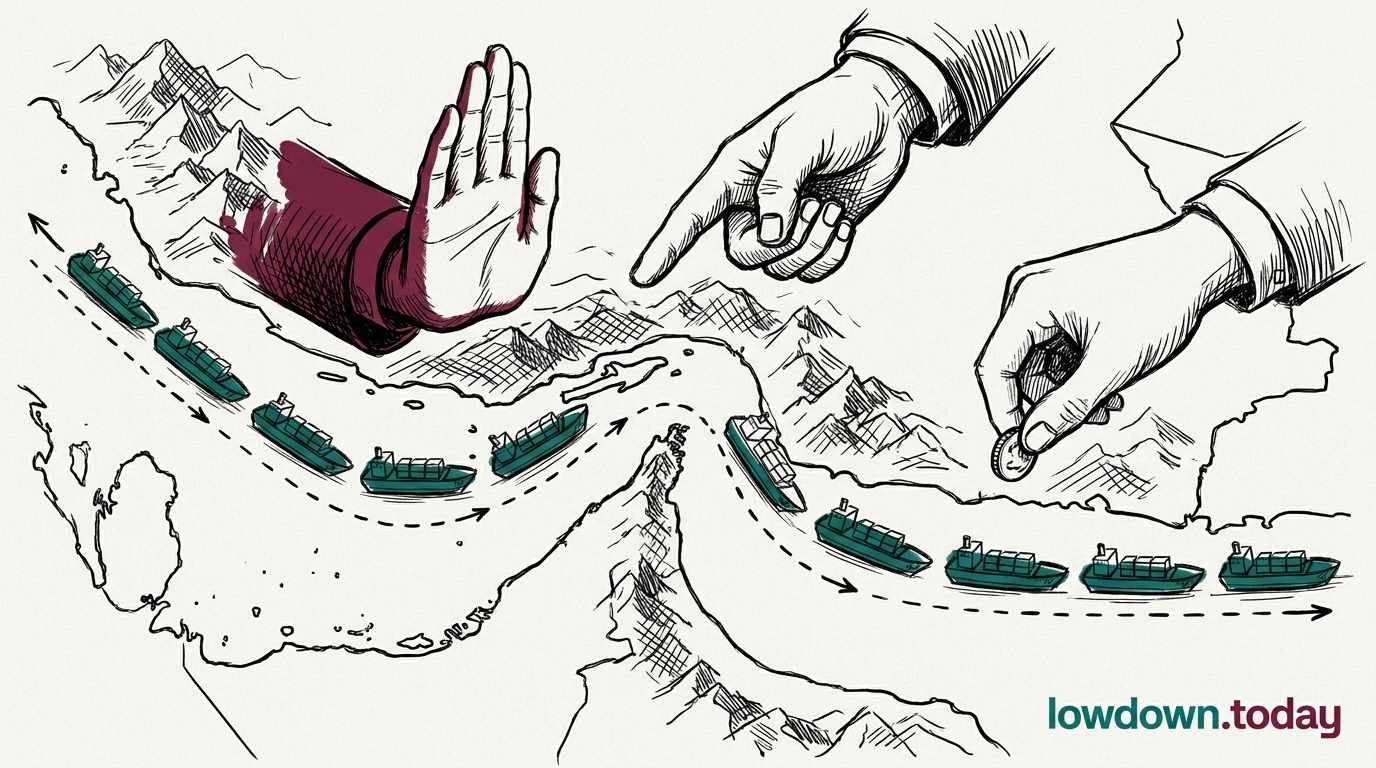
Actual OPEC+ output has run well below quota for months on Hormuz and field constraints, so the fourth identical increment adds barrels on paper more than to the market. Al Jazeera relayed analyst Fabien Yip's reading of the hikes as a formality while the physical constraint holds.⁠3 The group also kept its standing hedge that increases "could be accelerated, paused or reversed if necessary", carrying that optionality into the 2 August review.⁠4

With the number already discounted, the flat price barely moved and the repricing ran through the Brent-WTI spread instead, which widened sharply in the first session after the vote.

Deep Analysis

In plain English

OPEC+ is a group of oil-producing countries, including Saudi Arabia and Russia, that meets regularly to agree how much crude oil each member can pump. On 5 July they agreed to let members add another 188,000 barrels a day of production in August, the fourth month in a row they have added roughly that amount. This sounds like more oil hitting the market, but it may not work out that way. Several members, including Iraq, are already producing more than their agreed limit, while others struggle to reach theirs at all. So the headline number can rise on paper without much extra crude actually reaching buyers, which is one reason the announcement barely moved oil prices.

Deep Analysis
Root Causes

OPEC+'s spare capacity sits overwhelmingly with Saudi Arabia, not spread evenly across the group. Iraq and Kazakhstan already pump above their formal allocations most months, leaving little room for them to add real barrels under the new quota. Adding 188,000 b/d to a group already short of its combined target mostly reallocates headroom Riyadh already holds, rather than creating new supply.

Saudi Arabia's own fiscal breakeven sits near $108-111 a barrel, far above the current Brent price, which keeps pressure on Riyadh to hold group discipline even while nominally raising output. The 188,000 b/d figure lets Riyadh signal cohesion without testing whether the rest of the group can actually deliver it.

What could happen next?
  • Consequence

    If Iraq and Kazakhstan keep overproducing while Saudi Arabia holds the group's true spare capacity, the August allocation is unlikely to add much real seaborne supply, whatever the headline 188,000 b/d figure implies.

First Reported In

Update #14 · Brent-WTI blows out as the hike lands priced

World Oil· 6 Jul 2026
Read original →
Different Perspectives
Office for Budget Responsibility
The OBR's 28 October forecast assumed $82 oil for 2026 and 2027, from market prices for the ten working days to 19 August, and blamed dearer wholesale energy on the war without naming Iran. It expects CPI inflation close to 4% in early 2027 even at that price.
Hengaw, Kurdish rights group
Hengaw reported the 3 November hangings of Amirhossein Maleki and Amirhossein Ebrahimi in Isfahan, saying Ebrahimi was tortured into confessing and that nine of 12 people sentenced to death in the case have now been hanged. Iran's judiciary holds that the defendants killed members of the security forces.
FINTRAC, Canada's financial intelligence unit
FINTRAC worked with the US Treasury on the 6 November designation of eight money services businesses in British Columbia, Ontario and Quebec. Treasury says the businesses still operate, some under new names, so closing them falls to Ottawa.
Abdul Qadir al-Dakhil, Governor of Nineveh
Al-Dakhil cancelled three Mosul International Airport contracts on 7 November over alleged links to armed groups, after meeting Prime Minister Ali al-Zaidi in Baghdad. He named no group or company, and said the contracts will go to international companies.
Kuwait
Kuwait
Kuwait condemned the Houthi missile fired towards the Madinah region on 5 November and restated its support for Saudi Arabia, the Qatar News Agency reported. Its state tanker company, Kuwait Oil Tankers Company, is among the Gulf state fleets on Iran's expanded Hormuz list.
Scott Bessent, US Treasury Secretary
Treasury designated an alleged Chandigarh false-flag network on 4 November and eight Canadian exchangers on 6 November, while State sanctioned alleged MANPADS intermediaries. None of the actions touches an oil buyer; they target the paper, cash and procurement around Iran's trade.

Written with AI from Lowdown's published reporting. Not individually reviewed by an editor. Editorial standards.
