Skip to content
You can now search across every topic, entity and event.What's new
Iran Conflict 2026
20JUN

Serbia intercepted 4kg TurkStream bomb plot

3 min read
16:50UTC

Serbian authorities found plastic explosives metres from the Balkan Stream pipeline on 5 April; Hungary has since deployed the army.

ConflictDeveloping
Key takeaway

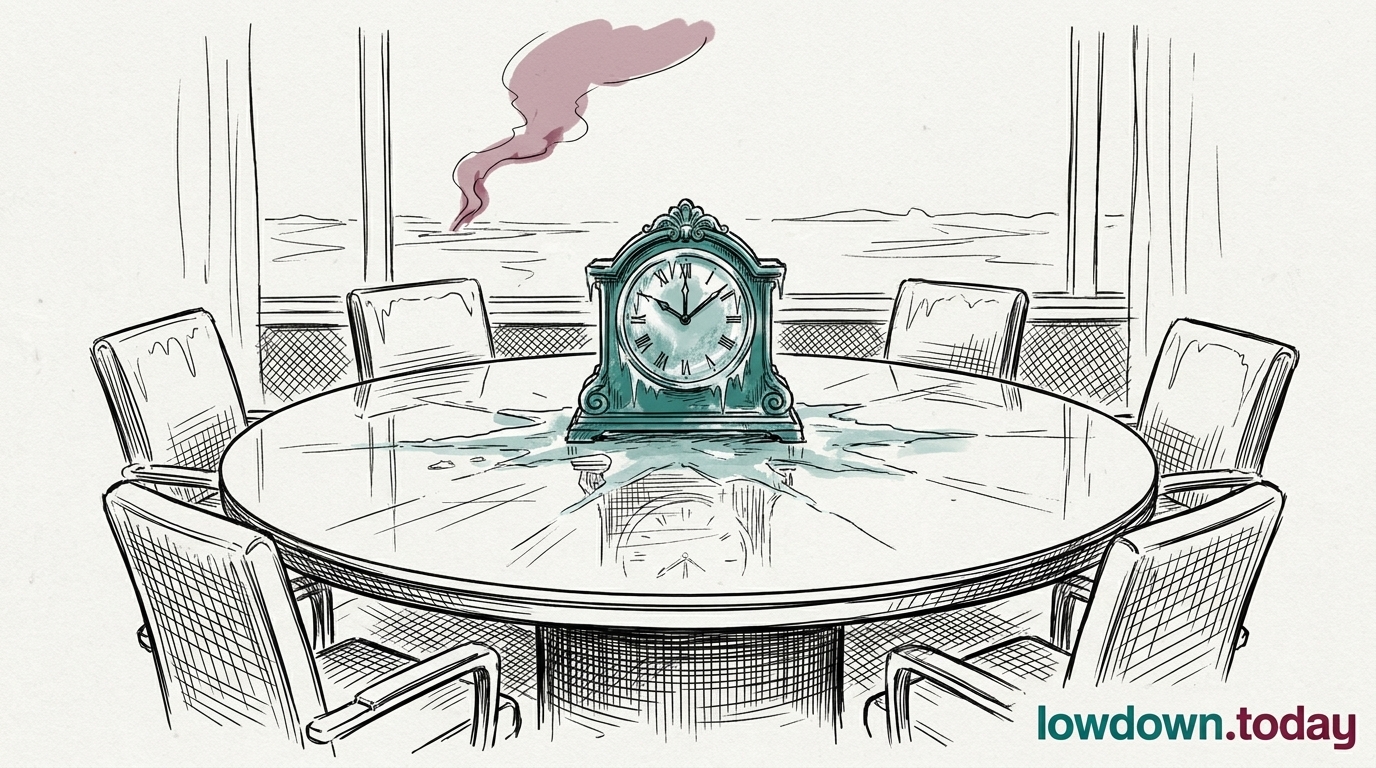
The last Russian pipeline leg survived a bomb attempt ten days before the LNG leg ends.

On 5 April 2026, Serbian authorities found two backpacks containing roughly 4 kg of plastic explosives, detonator caps and cord metres from the Balkan Stream pipeline near the village of Velebit in northern Serbia, a TurkStream offshoot carrying Russian gas through the Western Balkans 1. Hungary has since deployed its army to protect the Serbia-to-Slovakia segment, and Russia, Turkey, Serbia and Hungary have agreed a joint protection framework. Ukraine denied involvement; Serbian intelligence briefed that US-made explosives were recovered and pointed to a migrant with military training.

TurkStream carries roughly 15 bcm per year to Hungary, Slovakia, Czech Republic and Austria and is the sole remaining Russian pipeline route to central Europe since Ukraine transit ended. Against a shallow aggregate storage fill and the 25 April LNG ban closing the other Russian leg, a successful attack on the 5th would have removed both Russian supply routes in the same week. The intercept is the reason the system did not run that test.

The analytical read is not that Balkan Stream is safer today than it was on 4 April. Pipeline protection on a line that runs through four jurisdictions with varied standards cannot be hardened uniformly by one national deployment. The intercepted plot shows capability and intent against one segment; the route length means the vector count is larger than the vector just addressed.

TTF pricing is not carrying that tail. Implied vol on late-April TTF options is cheap relative to the physical state of the system: a Hormuz ceasefire expiry, a Russian LNG cutoff and an intercepted pipeline sabotage plot sitting inside the same ten-day window. The counter-view is that the plot was caught and protection has been hardened; that is correct for the specific vector, not for the category.

Deep Analysis

In plain English

TurkStream is a gas pipeline that runs from Russia through Turkey and then north through Serbia and Hungary, carrying gas to central European countries that no longer receive it through Ukraine. It is the last active Russian gas pipeline into Europe after the Ukraine transit route shut down in early 2025. On 5 April, Serbian police found 4 kilograms of plastic explosives hidden near the pipeline close to a village called Velebit. That is enough to damage the pipeline significantly. Nobody has admitted placing them. In response, Hungary sent its army to protect its section of the pipeline, and Russia, Turkey, Serbia, and Hungary agreed a joint protection arrangement. The four countries involved in protecting the pipeline are a mix of NATO members and non-NATO states, which makes the arrangement politically unusual.

Deep Analysis
Root Causes

TurkStream's vulnerability is structural. The pipeline was designed and built after 2017 as a specifically NATO-circumventing route: it enters European territory through Turkey (a NATO member but one with independent energy policy) and transits Serbia, which has EU candidate status but is not a member. The Serbian and Hungarian segments have no EU-level protection framework, relying entirely on bilateral host-country arrangements.

The absence of attribution for the explosives is itself a structural indicator. Ukraine denied involvement; no other actor claimed responsibility. The 4 kg of plastic explosive is below the threshold that would guarantee pipeline destruction but above what would be needed to trigger a protection-framework demand. The incident has the operational signature of a pressure tactic rather than a genuine interdiction attempt.

What could happen next?
  • Precedent

    Hungary's army deployment to protect Russian pipeline infrastructure creates the first instance of a NATO member providing ground-force security for Russian-origin energy assets in Europe since 2022.

  • Risk

    If the explosives originated from a state actor seeking to force Hungary and Slovakia into dependency on LNG alternatives (thus removing their political leverage within the EU), further interception attempts may follow to test the protection framework's deterrence.

First Reported In

Update #2 · TTF EUR 42 as Russian LNG ban enters range

Euronews· 15 Apr 2026
Read original
Different Perspectives
Hengaw
Hengaw
The Norway-based monitoring group reported the Urmia executions of Omid Behzad and Pouria Safvat, the only source to do so, consistent with its documented pattern of recording far more executions than the Iranian state acknowledges. Iran's government has not confirmed either execution.
Shipping and insurance underwriters
War-risk premiums price the Houthi campaign because the group announces its targets in advance, but a reopening Trump has promised without a published text gives underwriters no benchmark to reprice Hormuz cover against. Insurers want a text before they move rates, not a promise.
Houthi movement
Houthi movement
Spokesman Yahya Saree claimed strikes on two tankers in the Red Sea and Gulf of Aden on 5 August, only one of which UKMTO could confirm. The group's campaign against shipping continues on its own schedule, independent of any Hormuz arrangement further north.
Oman
Oman
Muscat has brokered the coordinates both Tehran and Washington's wire sources now describe differently, but has published no account of its own. Oman's position depends on treating Hormuz as a shared route, which is not what Iran is currently describing.
United States Central Command
CENTCOM raised its interdiction tally from 35 to 44 redirected vessels and disclosed its first boardings on 3 August, the day before Trump promised a reopening. The command's own enforcement record does not yet reflect the release the President has described.
Iran's Foreign Ministry
Spokesman Esmaeil Baghaei described the agreed Hormuz coordinates as a wholly new corridor under Iranian management, not a split of the existing route, days after his own deputy rejected Oman's lane proposal. Tehran wants the arrangement read as a change of ownership, not a compromise on access.