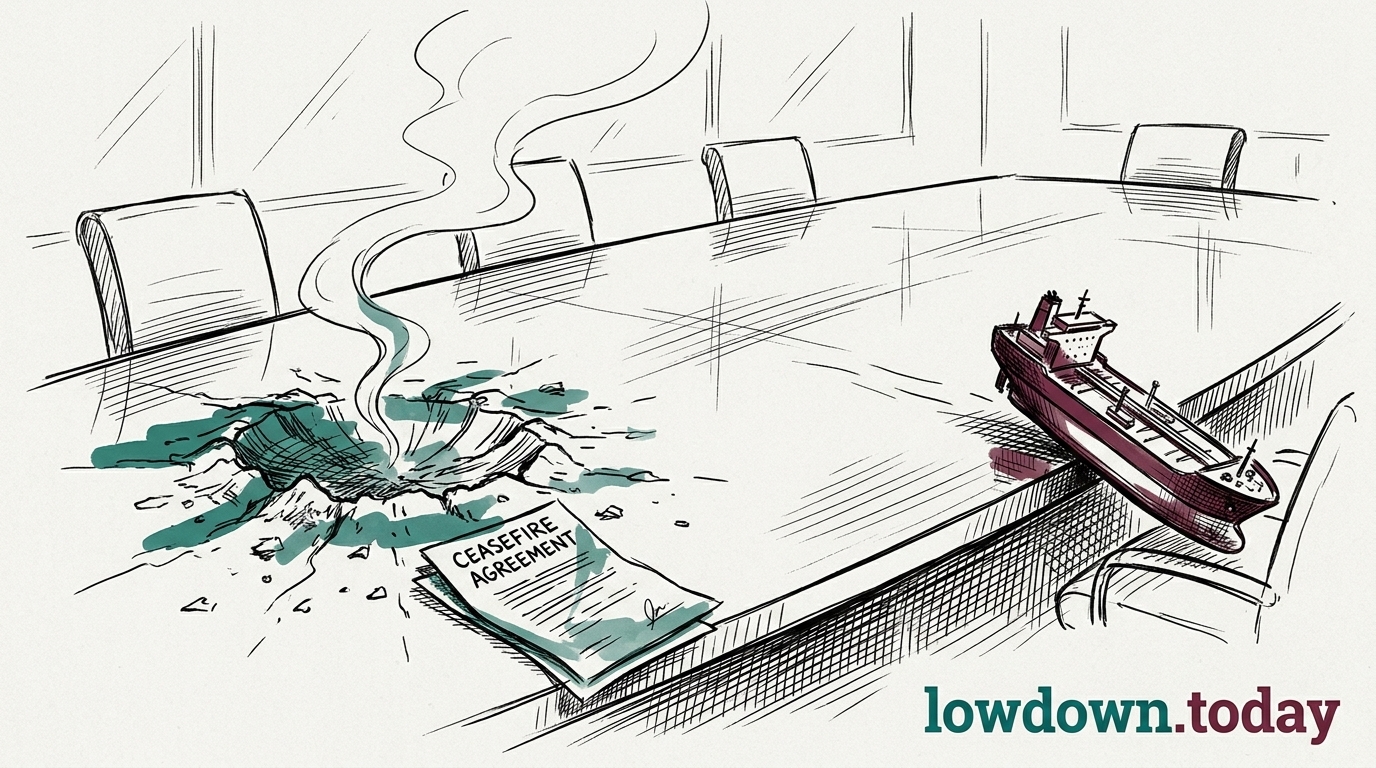
Iran has obtained an initial draft memorandum of understanding (MOU) through Pakistani mediation and is awaiting the United States' finalised counter-text, according to a strategic analyst who told the Iranian state-linked network SNN that "the ball is now in America's court"1. Islamabad has shuttled messages between the two capitals for weeks, and Tehran's account places the unanswered move on Washington's side of the table.
The framing inverts the Western narrative. In Trump's telling, the deal was "largely negotiated" and awaiting Iranian follow-through; in Tehran's, the draft is already in Iran's hands and the United States is the one yet to respond. Both cannot be the waiting party. The contest over who is stalling is not cosmetic, because each government answers to a domestic audience that punishes the side seen to be conceding and rewards the side seen to be holding firm.
The procedural record gives Tehran's version some support. Trump's own condition, posted on 24 May, is that the naval blockade stays in place until any agreement is certified and signed, which rules out a partial or verbal text. If Washington will only lift the blockade on a fully signed instrument, then the next move genuinely does sit with the party that has to draft, certify and sign that paper.
The inversion is a deliberate piece of narrative positioning, amplified through a state-linked outlet, and it works precisely because the underlying facts are ambiguous enough to support more than one reading. With no published text from either side, the public account of who holds the draft is itself a negotiating instrument, and Tehran has chosen to wield it.


