Skip to content
Briefings are running a touch slower this week while we rebuild the foundations.See roadmap
Iran Conflict 2026
17MAY

Houthis strike Israel for third day

2 min read
10:45UTC

Two drones intercepted over Israel. Three attacks in three days confirms sustainable tempo, not a one-off provocation. The Houthi deputy minister named Bab al-Mandeb closure as 'among our options.'

ConflictAssessed
Key takeaway

Three days of attacks confirm Houthi tempo is sustainable.

Houthi forces fired at Israel for a third consecutive day on 30 March. Two drones were intercepted by Israeli defences. 1 Deputy Information Minister Mohammed Mansour described Bab al-Mandeb closure as 'among our options' in a staged escalation programme. Blockade was described as 'likely' in the next phase if Israel targets Hodeidah port or Yemeni civilian infrastructure.

Ansar Allah entered the war with ballistic missiles on 28 March and threatened Bab al-Mandeb closure the same day . A third consecutive attack now establishes sustainable operational tempo. Hezbollah fired 600 projectiles at Israel in a single 24-hour period on 28 March . Iran's proxy network is activating in sequence, each front requiring separate defensive resources from a coalition already stretched by the primary conflict.

Houthi entry came the day after Pakistan confirmed US-Iran indirect talks had stalled and the day Iran published its five conditions for ending the war . Tehran coordinated the opening of this front. The Long War Journal reports that Houthi leaders conditioned further escalation on whether other nations join anti-Iran operations or use the Red Sea for strikes.

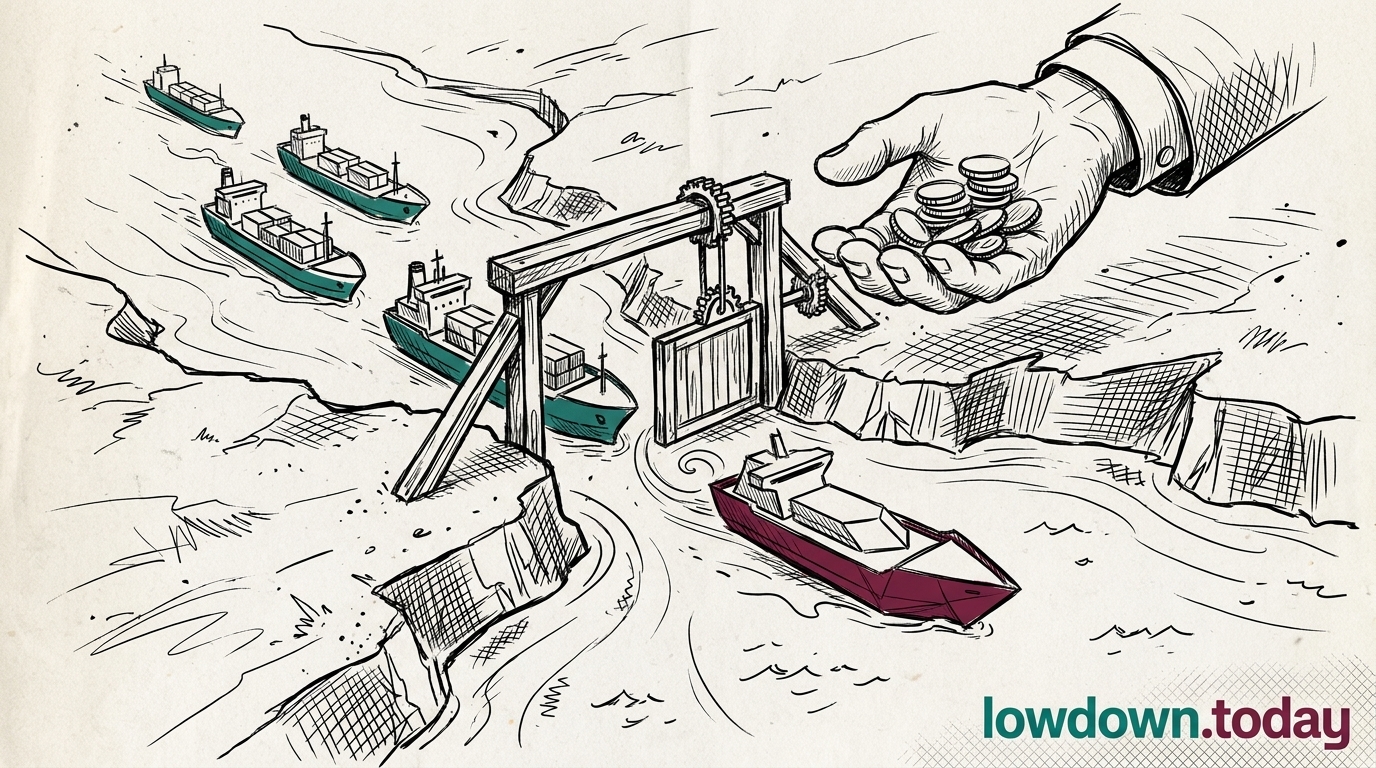
Combined with near-total Hormuz closure, formal Bab al-Mandeb blockade would place simultaneous pressure on the world's two most critical oil transit routes for the first time since the 1973 oil crisis. MARAD and UKMTO have already confirmed deliberate GNSS denial spanning from Hormuz to Bab al-Mandeb . An electronic warfare corridor now links both chokepoints.

Deep Analysis

In plain English

The Houthis are an armed group based in Yemen that has been fighting a civil war there for years. They also have a history of firing at ships in the Red Sea. Now they are firing drones and missiles at Israel. This is the third day in a row they have attacked. The attacks are being intercepted, but three consecutive days of attacks is different from a one-off strike: it shows they can sustain the effort. The Houthis have also suggested they might close the Bab al-Mandeb strait, which is the narrow water passage between Yemen and Africa. Oil tankers going from the Gulf to Europe pass through it. If both the Strait of Hormuz (near Iran) and Bab al-Mandeb (near Yemen) are closed or disrupted at the same time, the world's two biggest oil shipping routes would be blocked simultaneously, something that has not happened since 1973.

What could happen next?
  • Risk

    If Israel strikes Hodeidah port or Yemeni civilian infrastructure, Houthi officials have stated Bab al-Mandeb closure becomes operational, creating simultaneous dual-chokepoint pressure not seen since 1973.

  • Meaning

    Three consecutive attacks on Israel establish the Houthis as a sustainable second front in the conflict, requiring separate Israeli and US defensive resources distinct from the primary Iran campaign.

First Reported In

Update #52 · Trump wants Iran's oil; 3,500 Marines land

Al Jazeera / Middle East Monitor· 30 Mar 2026
Read original
Different Perspectives
Markets
Markets
Brent crude rose 2.2 per cent to $96.34 on 10 June, reversing a 7 per cent weekly decline built on deal optimism, as the overnight exchange repriced the Strait of Hormuz risk premium in a single session. The move reflects transit-risk repricing rather than supply shock: Iran's exports had already collapsed to below 300,000 barrels per day.
Pakistan
Pakistan
Pakistan's Naqvi channel, the only mediation track carrying both civilian and military buy-in, was stress-tested by live ordnance within 48 hours of the 6-7 June Tehran visit. Whether Washington informed Islamabad of the imminent strike plan while Naqvi was in Tehran remains undisclosed, putting the channel's neutrality under scrutiny.
Kuwait
Kuwait
Kuwait hosted the third Iranian strike on its soil since the 3 June airport drone attack, with Ali Al Salem airbase targeted in the three-country salvo. Its recent $1.98 billion Anduril Anvil counter-drone purchase signals it is rearming rather than reconsidering its hosting posture.
Bahrain
Bahrain
Bahrain absorbed the IRGC barrage via PAC-3 intercepts with its magazine already at 87 per cent depletion and no resupply before 2027. Sounding air-raid sirens over Manama, it faced the intercept burden with the thinnest defensive stack in the Gulf coalition.
Jordan
Jordan
Jordan reported all five incoming missiles intercepted with no injuries and no damage, a clean defensive performance that strengthens Amman's case for staying in the Western coalition without escalating its own posture. It now sits on Iran's target list for the first time despite not being a party to the Abraham Accords confrontation.
Iran / IRGC
Iran / IRGC
Foreign Minister Araghchi posted on X that US forces should 'leave our region if you want to be safe' and framed the exchange as a US defeat, while the IRGC claimed 21 targets hit and an F-35 hangar destroyed. The claims serve a domestic and Arab-audience framing rather than a verified battle-damage assessment.