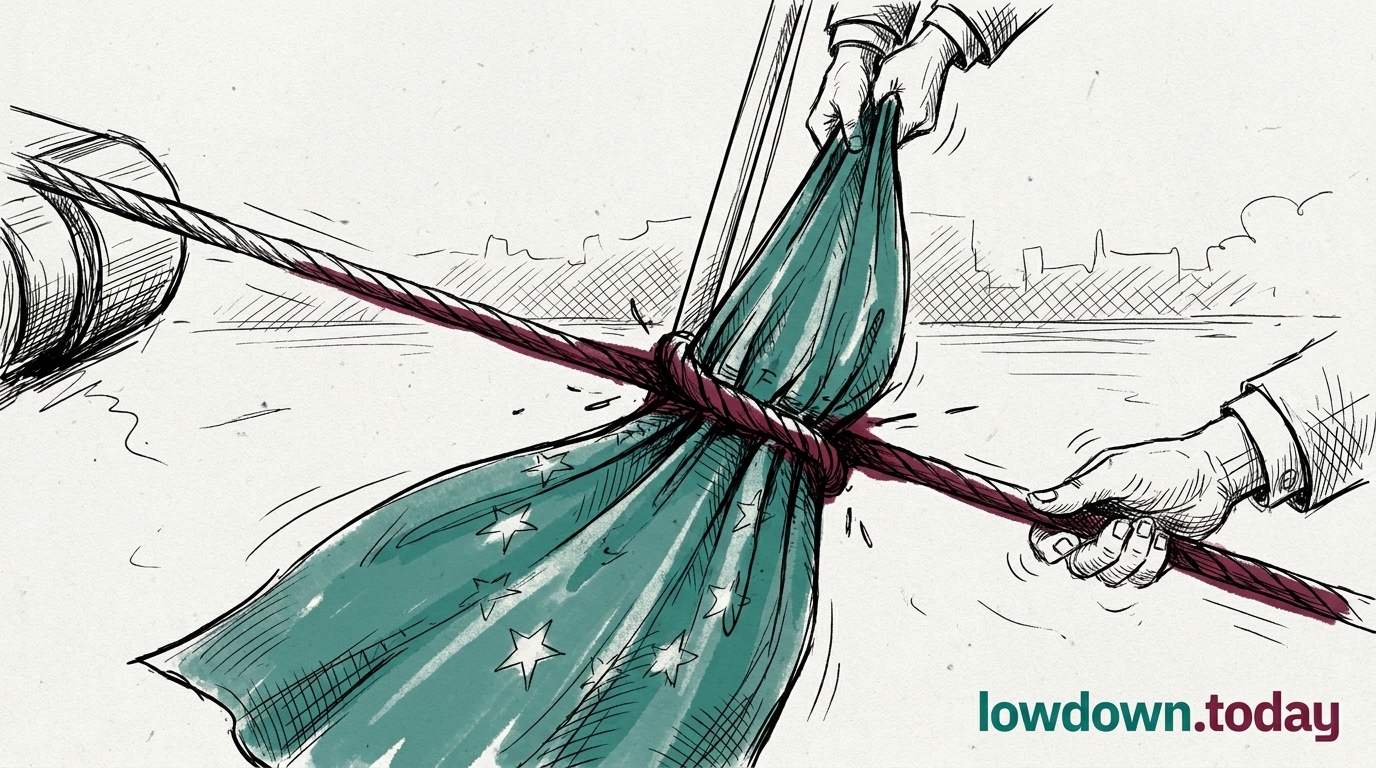
Commission sources confirmed on Monday 25 May 2026 that Brussels is preparing its first major Digital Markets Act (DMA, the EU law regulating dominant tech gatekeepers) self-preferencing fine against Google, a "high triple-digit million euro" penalty under Article 6(5), expected before the summer recess1. This is reported preparation, not a published decision: the file reportedly sat ready for months after internal proceedings closed, held back on geopolitical grounds2. The fine covers Google promoting its own vertical services above rivals and embedding its Gemini assistant inside Search.
The case is legally separate from the DMA.100209 search-data decision due 27 July, which would force Google to share ranking and click data with rivals. It is separate again from the EU AI Act giving the AI Office full powers over general-purpose AI (GPAI, the foundation-model tier) providers on 2 August. The mechanism matters: the self-preferencing case and the search-data case run different DMA articles on independent clocks, so the fine can land in June without touching the July ruling. Three instruments, from two directorates-general, now fall inside roughly six weeks.
The geopolitics explains the delay. The USTR Section 301 final determination, the US trade-retaliation mechanism under the 1974 Trade Act, lands 24 July, one day before the search-data decision, timing maximum US pressure to the peak European enforcement moment. Teresa Ribera, the Commission's competition chief, called that pressure "blackmail" and said the rulebook is "not up for negotiation"3. The same trade lever that pushed the sovereignty law into June is the one Ribera is refusing to bend to on enforcement, which is why a finished fine waited on a desk.





